

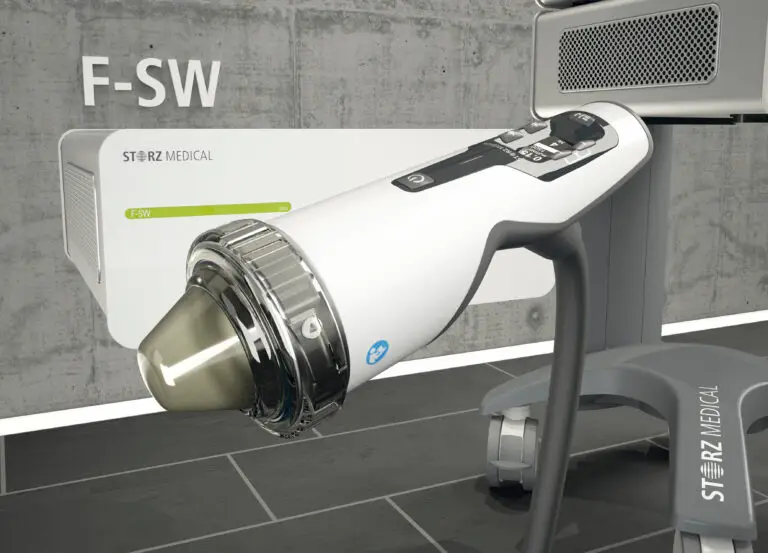
National Heel Pain Awareness Day: A Shockwave Therapy Cost Guide
Heel pain has a habit of starting quietly — then gradually taking over daily life.
Walking becomes uncomfortable.
Exercise feels risky.
Mornings are stiff.
And eventually, people start asking the same question:
“What’s the most effective treatment — and how much does it actually cost?”
To mark National Heel Pain Awareness Day, we’re answering one of the most common questions we’re asked about persistent heel pain:
👉 How much does shockwave therapy cost, and is it worth it?
Why People Ask About Shockwave Therapy Costs
By the time someone is researching shockwave therapy, they’re rarely at the start of their heel pain journey.
Most people looking at costs have already:
- Tried rest and stretching
- Changed footwear
- Reduced activity
- Used insoles or supports
- Had pain return again and again
At this stage, people aren’t just looking for relief.
They’re looking for something that works.
That’s why cost becomes important not as a barrier, but as a decision point.
What Is Shockwave Therapy for Heel Pain?
Shockwave therapy is a non-invasive treatment that uses controlled acoustic waves to stimulate healing in stubborn or overloaded tissue.
For heel pain, it’s commonly used when:
- Pain has lasted several months
- Symptoms keep returning
- Other treatments haven’t worked
- The problem is limiting activity or work
Shockwave therapy doesn’t “mask” pain.
It encourages the body’s natural healing response in tissue that has stopped responding to rest alone.
So… How Much Does Shockwave Therapy Cost?
This is where things can feel confusing, because prices vary widely.
In the UK, shockwave therapy for heel pain typically costs between:
👉 £65–£120 per session
But the real question isn’t the cost per session.
It’s:
What does that cost actually include?
What Affects the Cost of Shockwave Therapy?
1. Assessment Before Treatment
High-quality shockwave therapy should never be delivered without proper assessment.
This includes:
- Confirming the cause of heel pain
- Ruling out conditions shockwave isn’t suitable for
- Ensuring the treatment is appropriate
Clinics that skip this step may appear cheaper but often lead to poorer outcomes.
2. Clinician Expertise
Shockwave therapy is only as effective as the person delivering it.
Cost reflects:
- Clinical training
- Experience with heel pain
- Understanding of biomechanics
- Ability to adjust treatment correctly
This is why shockwave delivered by HCPC-registered clinicians is often priced differently from generic providers.
3. Number of Sessions Required
Heel pain rarely resolves with a single session.
Most evidence-based protocols involve:
- A short course of treatments
- Delivered weekly or fortnightly
- Combined with load management and rehab advice
Be cautious of clinics offering “one-off cures”.
4. What’s Included Alongside Shockwave
Effective shockwave treatment is rarely standalone.
High-quality care often includes:
- Advice on activity modification
- Guidance on footwear
- Rehabilitation exercises
- Biomechanical input was needed
This added support is part of the value — even if it isn’t itemised on a price list.
Is Shockwave Therapy Worth the Cost?
For people with persistent heel pain, shockwave therapy can be very cost-effective.
Why?
Because it can:
- Reduce pain without injections or surgery
- Shorten the overall recovery timeline
- Help people return to activity sooner
- Prevent months of stop-start cycles
Compared with the cost of ongoing appointments, lost activity, or reduced work capacity, many people find that shockwave therapy offers good value.
When Is Shockwave Therapy Most Appropriate?
Shockwave therapy is usually considered when:
- Heel pain has lasted more than 3 months
- Pain keeps returning despite rest
- Daily walking or exercise is affected
- The diagnosis has been properly confirmed
It’s not always the first step, but it’s often the right next step.
Why Cost Transparency Matters
On National Heel Pain Awareness Day, it’s important to say this clearly:
👉 Cheapest isn’t always best.
👉 Most expensive isn’t always necessary.
What matters is:
- Proper assessment
- Appropriate use
- Clear expectations
- Clinically guided treatment
Understanding what you’re paying for helps you make an informed decision — not an emotional one.
The Takeaway
Shockwave therapy is a well-supported, non-invasive option for persistent heel pain, but cost should always be viewed in context.
If heel pain has become a recurring problem, investing in the right treatment at the right time can save months of frustration.
On National Heel Pain Awareness Day, the most important message is this:
You don’t have to live with ongoing heel pain, and you don’t have to guess your way out of it either.