





If you are reading this, you are likely feeling the immense frustration of being sidelined.
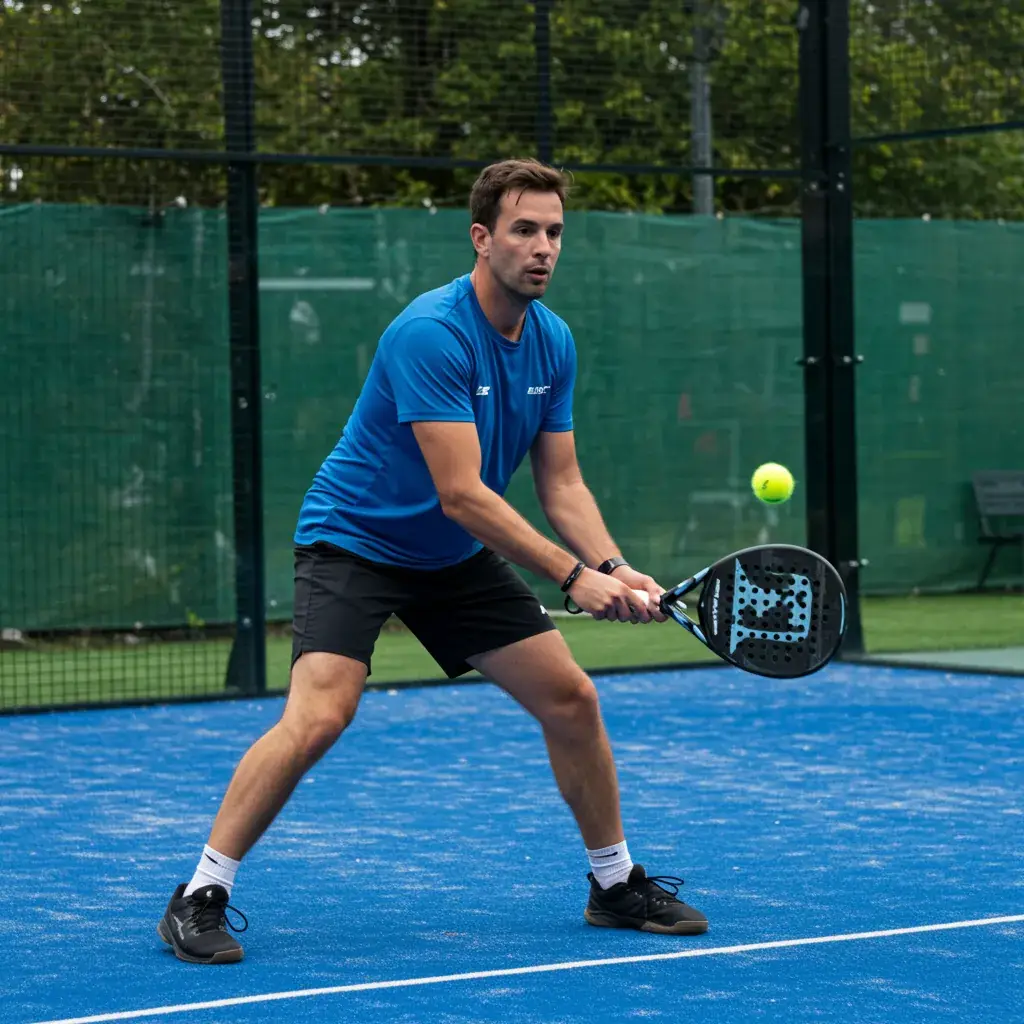
You might be a runner missing your morning miles, a footballer skipping matches, or a gym enthusiast unable to train. You are probably terrified that returning too soon will only lead to re-injury.
Our goal is to educate you so you can make the best decision for your recovery, even if that means you don’t buy from us.
What is Return to Sport?
Return to sport is the structured, phased process of bridging the gap between injury rehabilitation and regaining your pre-injury performance levels. It involves more than just pain relief. It requires restoring load capacity, correcting biomechanics, and rebuilding confidence to ensure you can handle the specific demands of your activity without recurrence.
Why Trust This Guide?
- 35+ Years Experience: Our collective team has expertise in podiatry and sports injuries.
- Advanced Technology: We utilise Shockwave Therapy, Class IV Laser, and 3D printed orthotics.
- “Treat, Move, Improve”: Our philosophy focuses on long-term resolution, not just quick fixes.
- Proven Results: We have helped thousands of patients in Derbyshire and Nottinghamshire return to pain-free movement.
What we will cover in this 2026 Guide:
- The Recovery Roadmap: Treat, Move, Improve
- Managing Specific Running Injuries
- Advanced Treatments for Faster Recovery
- Preventing Recurrence and Equipment
- Frequently Asked Questions about Return to Sport
- Back to Your Personal Best
The Recovery Roadmap: Treat, Move, Improve
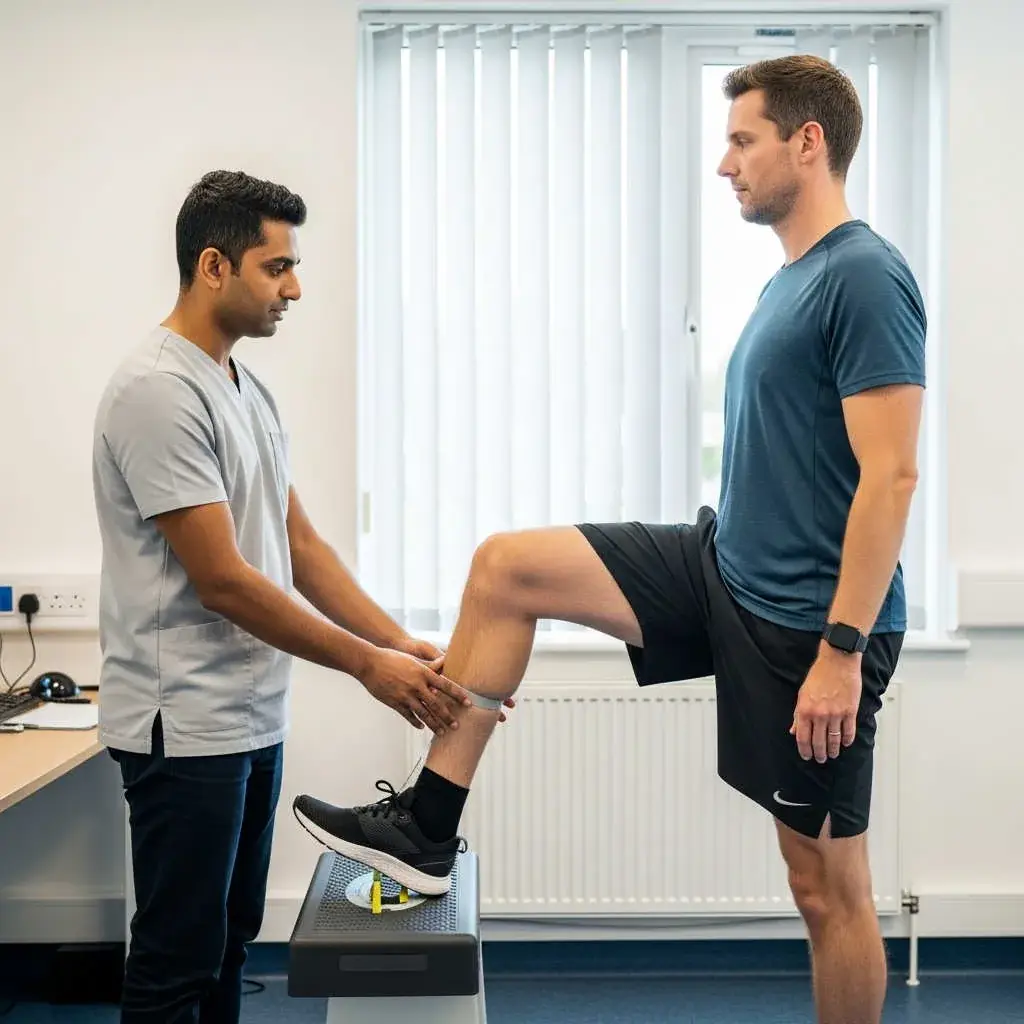
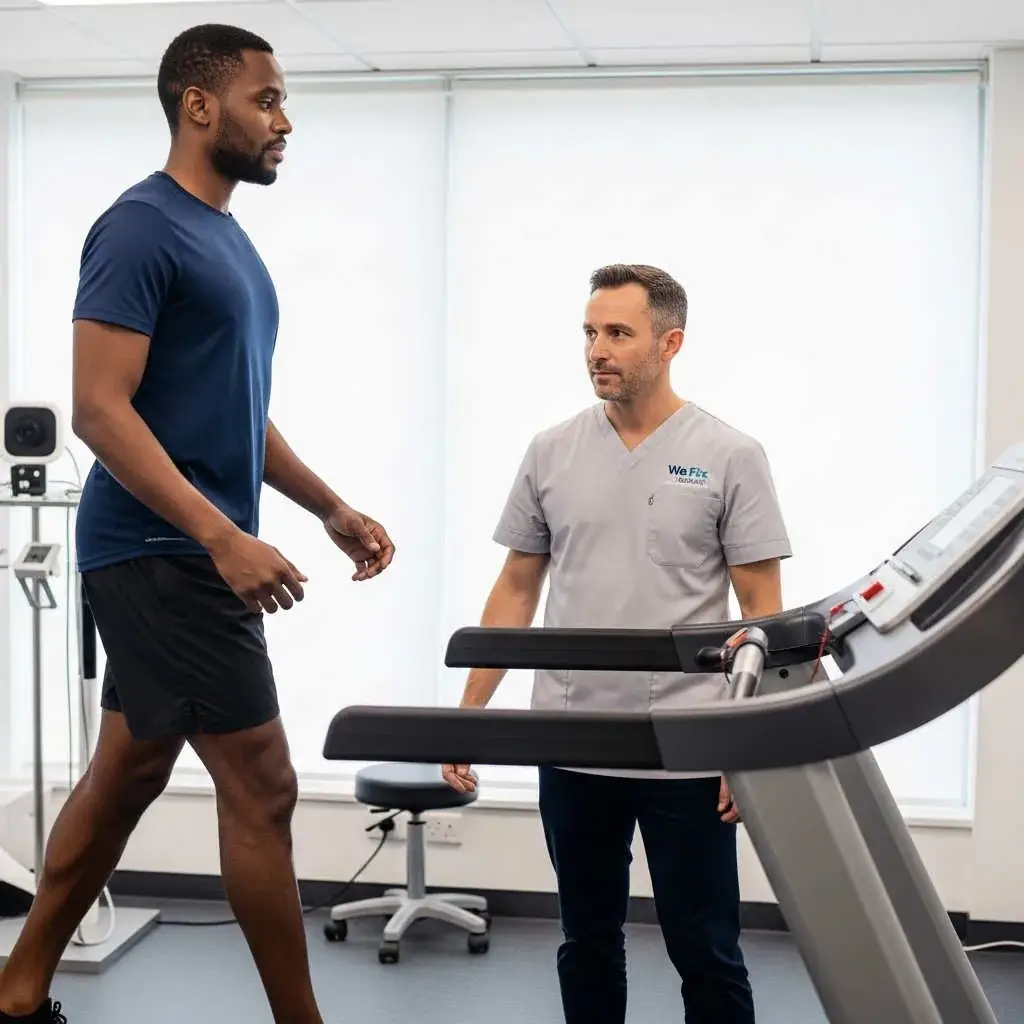
The most effective path back to activity follows a phased approach that prioritises accurate diagnosis and progressive loading over passive rest. Simply resting until the pain stops is rarely a complete solution for active individuals because it does not address the tissue weakness or biomechanical faults that caused the injury in the first place.
To get back to your best, you must follow a structured plan. You can learn how to navigate this journey in our guide on how to get back to running after foot pain. This involves shifting from initial symptom management to restoring function and finally gradually increasing your training load.
Speed is often a priority, but “fast” must also mean “proper” to avoid setbacks. If you are looking for the quickest route, it is vital to understand what’s the fastest way to fix heel pain properly. This often involves combining advanced treatments with active rehabilitation rather than relying on quick fixes like injections which may mask the problem.
Managing Specific Running Injuries
Running with an injury is sometimes possible, but it requires strict adherence to pain guidelines and modification of your training load. Ignoring the warning signs or pushing through sharp pain can turn a manageable niggle into a chronic condition that stops you completely.
Plantar Fasciitis
For runners, the sharp heel pain of plantar fasciitis is a common barrier. You might be wondering can I keep running with plantar fasciitis. The answer is nuanced and depends on pain severity, but research suggests that with significant modifications and professional guidance, complete cessation isn’t always necessary.
Achilles Tendon Pain
Achilles issues are notoriously stubborn and require careful management. You need to know do I need to stop training with Achilles pain. Using a “traffic light” system for pain and understanding the difference between stiffness and injury pain is essential for a safe return to Achilles tendon loading.
Recovery Timelines
Frustration often stems from unrealistic expectations about healing. Understanding how long heel pain really takes to get better helps you plan your season. While acute issues might resolve in weeks, chronic tendons can take months to fully remodel, requiring patience and consistency.
Advanced Treatments for Faster Recovery
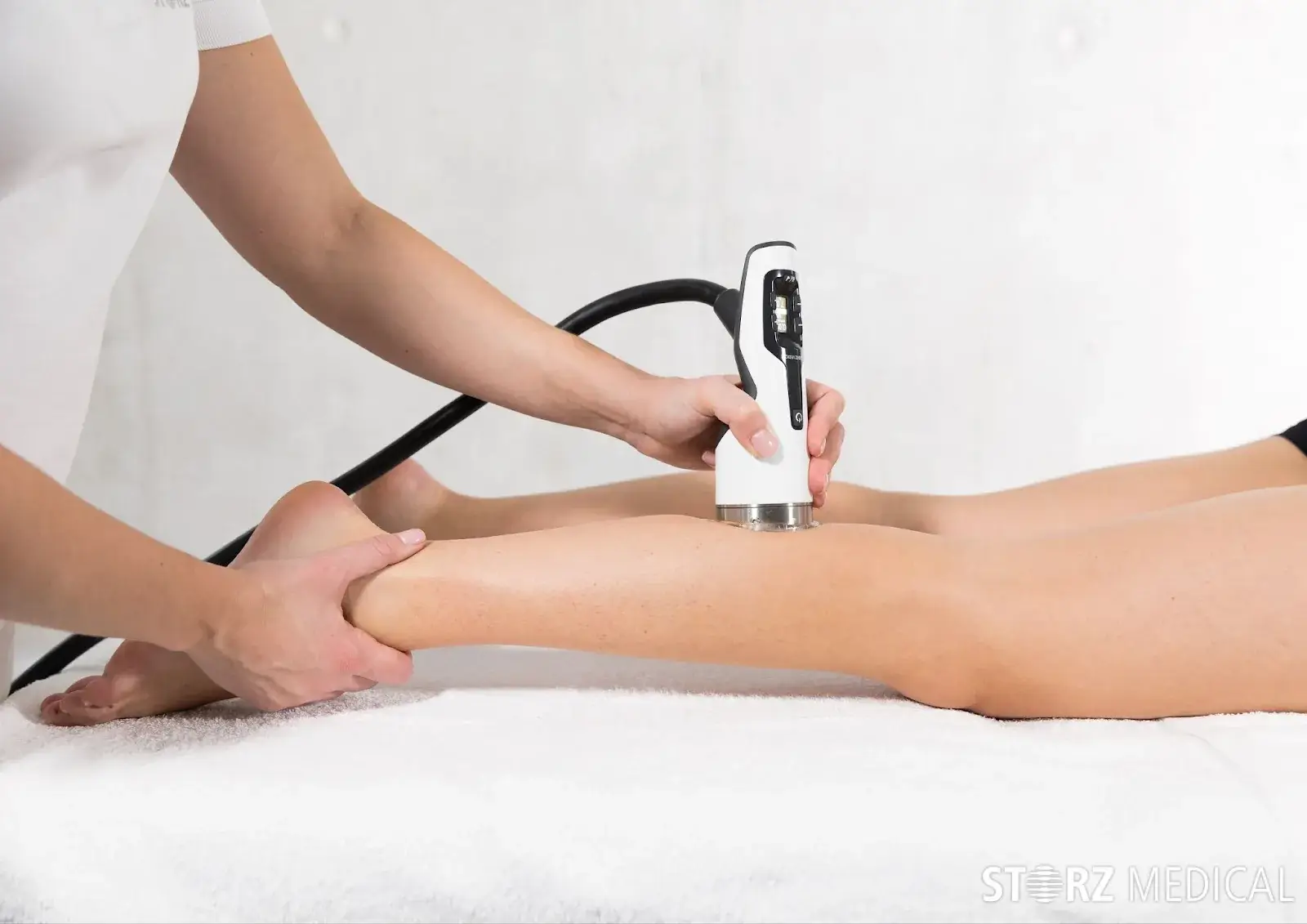
Advanced technologies like shockwave therapy can accelerate the return-to-sport timeline by stimulating healing in stubborn, chronic injuries. When standard rehab isn’t moving the needle fast enough, these interventions can provide the kickstart your body needs.
Shockwave therapy is particularly effective for tendon issues, but there are different types. It is important to understand what type of shockwave treatment is best for my sports injury. Radial shockwave is often used for superficial issues, while focused shockwave targets deeper tissues, and we offer both Shockwave Therapy options to suit your specific injury.
Preventing Recurrence and Equipment
Injuries often return because the underlying biomechanical root cause was never addressed during the initial recovery. If you simply treat the pain and return to the same movement patterns, you are likely to face the same issue again.
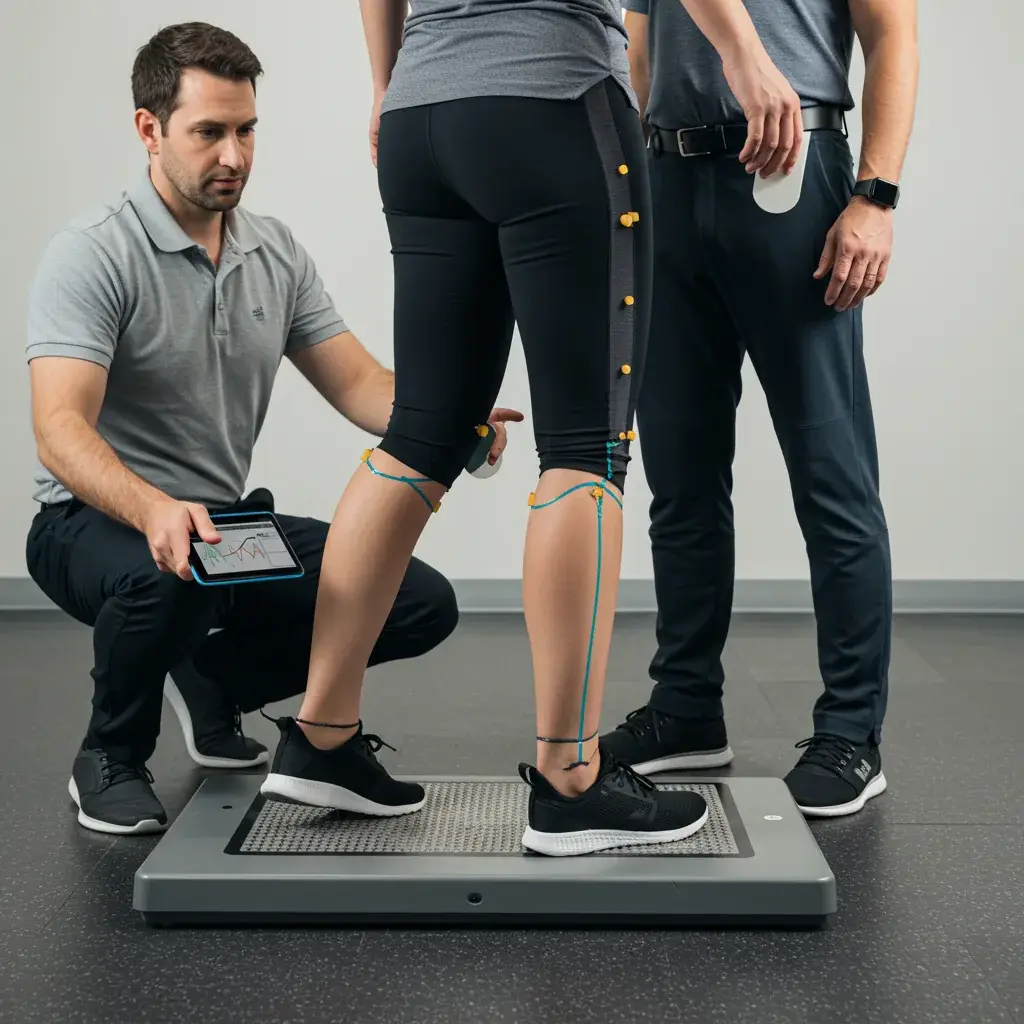
If you find yourself stuck in a cycle of injury, you need to investigate why your Achilles tendon pain keeps coming back. This usually points to incomplete rehabilitation or unaddressed mechanical faults that a biomechanical assessment can identify.
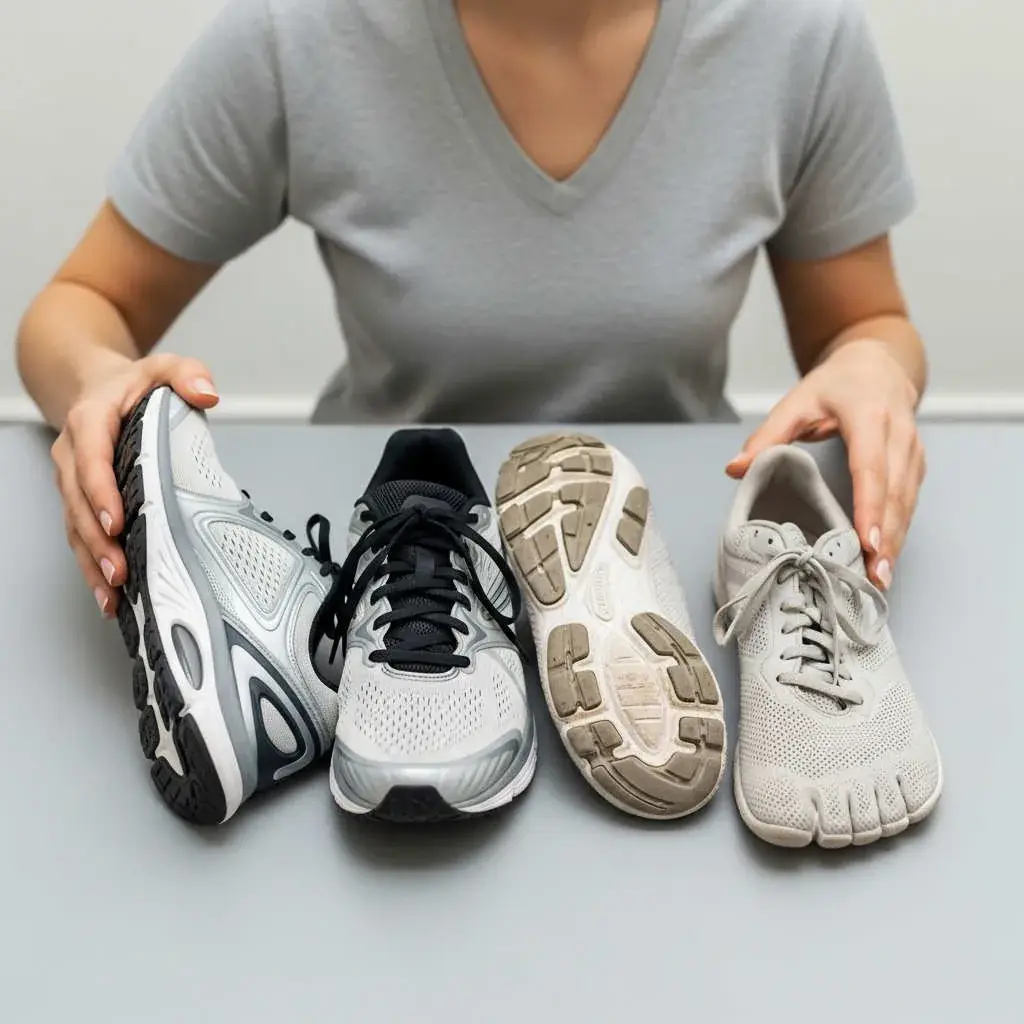
Equipment plays a role in supporting your biomechanics. You should consider when you actually need custom orthotics for sport. While not every runner needs them, custom orthotics can be a vital tool for correcting specific gait abnormalities that lead to repetitive strain.
Frequently Asked Questions about Return to Sport
Q: Should I run through pain? A: Generally, no. Sharp or worsening pain is a red flag. However, low-level discomfort (below 3/10) that settles quickly might be acceptable under professional guidance.
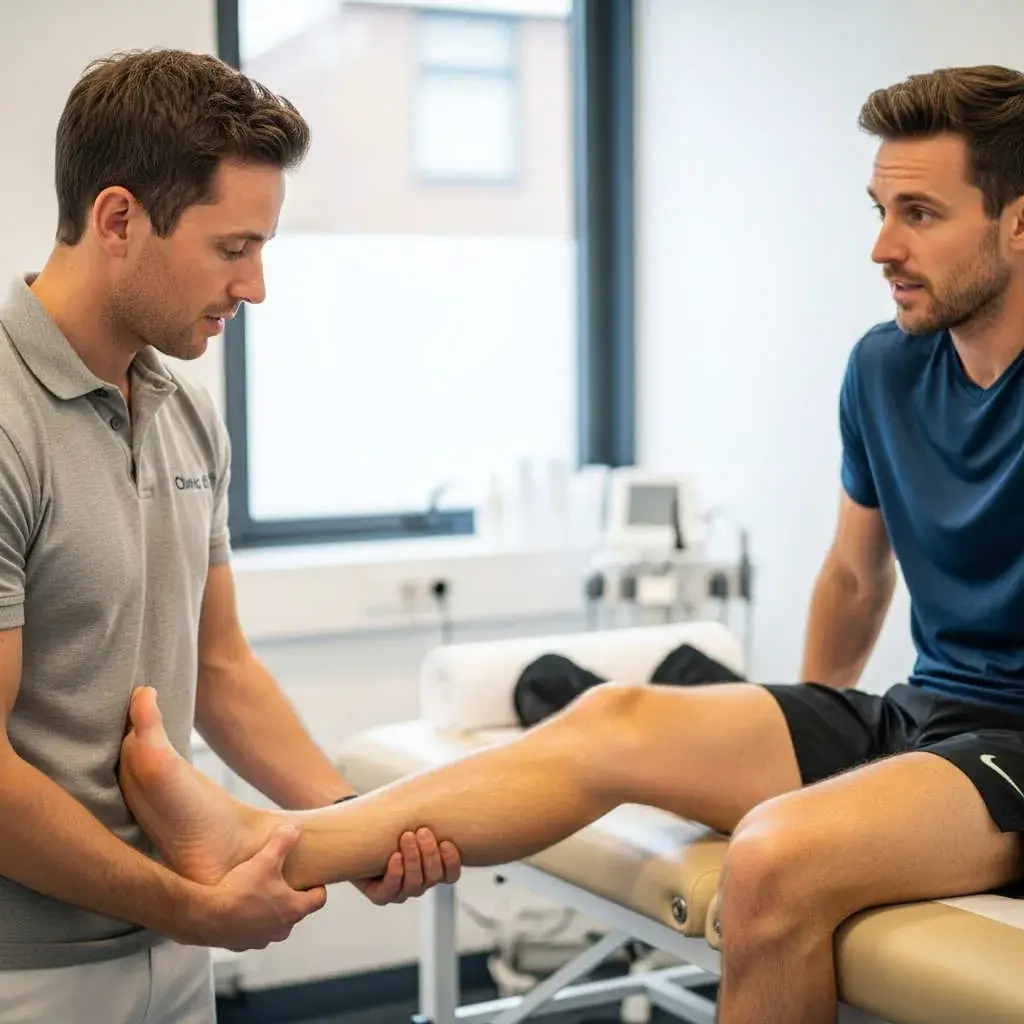
Q: How do I know if I need a biomechanical assessment? A: If your injury is recurring, affects both sides, or hasn’t responded to rest and standard physio, a biomechanical assessment is recommended to find the root cause.
Q: Is shockwave therapy painful? A: It can be uncomfortable during treatment, but most patients tolerate it well. The intensity can be adjusted, and the long-term pain relief often outweighs the short-term discomfort.
Back to Your Personal Best
Returning to your personal best requires patience, a clear plan, and a commitment to addressing the root cause of your injury. It is about more than just getting pain-free. It is about building a body that is resilient enough to handle the demands you place on it.
If you are ready to stop the cycle of stop-start training and fear of re-injury, then the first step is simply to get a clear understanding of your current injury status. A professional assessment can provide the roadmap you need to move from the sidelines back to the finish line.
Ready to Take the Next Step Towards Pain-Free Movement?
At We Fix Feet, our expert podiatrists are dedicated to understanding your unique situation and providing personalised care to help you treat your pain, improve your movement, and get back to living life to the full. We’ve helped thousands of people just like you overcome frustrating foot and lower limb conditions.
Your Journey to Recovery Starts Here:
The best way to understand how we can help is to have a conversation. Let’s explore your symptoms and discuss the most effective treatment options for you.
Prefer to Talk? Call us directly on 0115 9328832 to speak with a member of our friendly team.
Want to learn more about our approach first? Discover Our Commitment to You on our About Us page or explore Our Advanced Treatment Options.