







If you are reading this, you are likely frustrated. You have probably tried resting, maybe changed your trainers, or even seen a general physio, but that nagging pain just won’t shift. You want to get back to your running or your sport, but you need to know why this is happening so you can fix it for good. Our goal is to educate you so you can make the best decision for your recovery, even if that means you don’t buy from us.
What is “Find the Cause”?
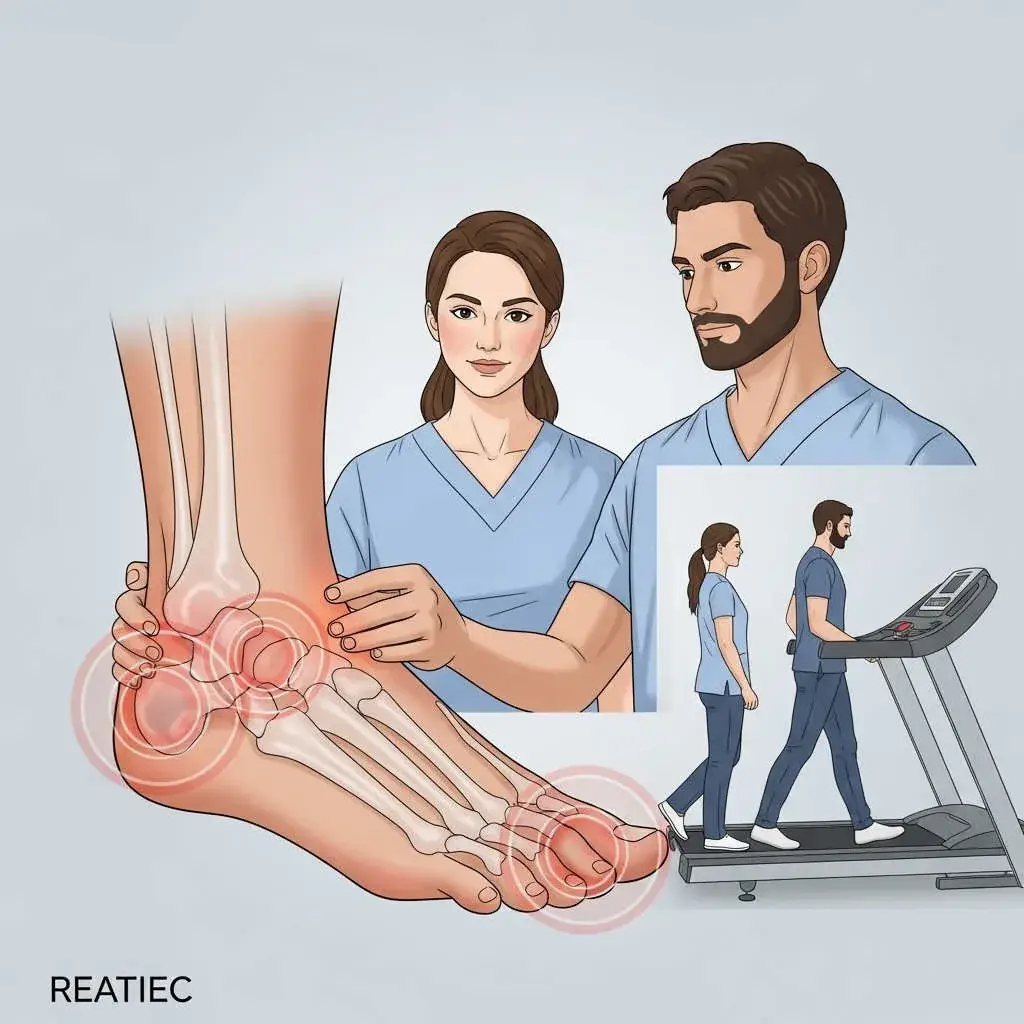
“Finding the Cause” is the process of diagnosing the underlying biomechanical or structural root of your pain, rather than just treating the symptoms. It involves moving beyond the “what” (e.g., plantar fasciitis) to answer the “why” (e.g., leg length discrepancy or gait abnormality). This is typically achieved through a specialist Biomechanical / MSK Assessment using advanced diagnostic technology.
Why Trust This Guide?
- 35+ Years Experience: Our collective team expertise in podiatry and sports injuries.
- Advanced Technology: We utilise Shockwave Therapy, Class IV Laser, and Swift Microwave therapy.
- “Treat, Move, Improve”: Our philosophy focuses on long-term resolution, not just quick fixes.
- Proven Results: We have helped thousands of patients in Derbyshire and Nottinghamshire return to pain-free movement.
What we will cover in this 2026 Guide:
- The Cost of Diagnosis
- Identifying the Problems and Risks
- Comparing Your Specialist Options
- Understanding the Assessment Process
- Frequently Asked Questions about Finding the Cause
- Protecting Your Investment in Your Health
The Cost of Diagnosis
The cost of a comprehensive biomechanical assessment typically ranges between £80 and £200+ in the private market, reflecting the depth of analysis and clinician expertise. This investment is separate from treatment packages but is the critical gateway to a personalised plan that avoids wasted spending on ineffective therapies.
You might wonder if this upfront cost is justified. Our research into what a biomechanical assessment costs in Derbyshire & Nottinghamshire highlights that cheaper, shorter assessments often miss the root cause. A “cheap” assessment that fails to identify the problem can lead to years of recurring costs for temporary fixes that never truly resolve the issue.
Identifying the Problems and Risks
Ignoring the need to find the root cause often leads to chronic conditions, tissue degeneration, and compensatory injuries in other parts of the body. We frequently see active individuals who have tried to “push through” pain, only to find themselves sidelined for months.
The Risk of Ignoring the Warning Signs
Pushing through persistent pain is rarely a winning strategy. You need to ask will my foot pain get worse if I ignore it. The answer is almost always yes, as acute issues like plantar fasciitis can degrade into chronic conditions involving scar tissue, making recovery significantly harder and longer.
When Rest Doesn’t Work
Resting might settle the inflammation, but it does not correct the mechanical faults that caused the injury in the first place. You may be wondering why isn’t my foot pain getting better with rest. This often occurs because tendons require load to heal properly, and passive rest can actually weaken the tissue, leading to immediate pain upon returning to activity.
The Cycle of Recurrence
Recurrence is a major frustration for runners and athletes who fix the symptom but not the cause. You might be asking why does my Achilles tendon pain keep coming back. This cycle repeats because the underlying biomechanical factors or training errors have not been addressed, leaving the tendon vulnerable to the same overload.
Managing Recovery Expectations
Understanding the timeline is crucial for mental resilience during rehabilitation. It is vital to understand how long heel pain really takes to get better so you can plan your training schedule realistically. Recovery is variable and depends heavily on whether you address the root biomechanical cause or just treat the symptoms.
Training Through Pain
Deciding whether to continue training is a difficult call for dedicated athletes. You need to know if you need to stop training with Achilles pain to prevent severe injury like a rupture. While some modified training is possible with professional guidance, pushing through significant pain usually leads to worse outcomes.
Comparing Your Specialist Options
Choosing the right specialist is the difference between a generic exercise sheet and a tailored biomechanical solution. Active professionals often need a level of analysis that generalists cannot provide.
Podiatrist vs. Physiotherapist
Selecting the right expert can save you time and frustration. You need to decide between a podiatrist or physio for your foot pain. MSK-specialist podiatrists focus specifically on foot and lower limb biomechanics and use advanced diagnostics, which is often the most direct route for persistent lower limb injuries.
Timing Your Appointment
Knowing when to stop self-treating and seek expert help is vital. Knowing when you should see a podiatrist about my foot pain can save you months of frustration. If pain persists for more than a few weeks, restricts your activity, or keeps coming back, professional assessment is essential.
Understanding the Assessment Process
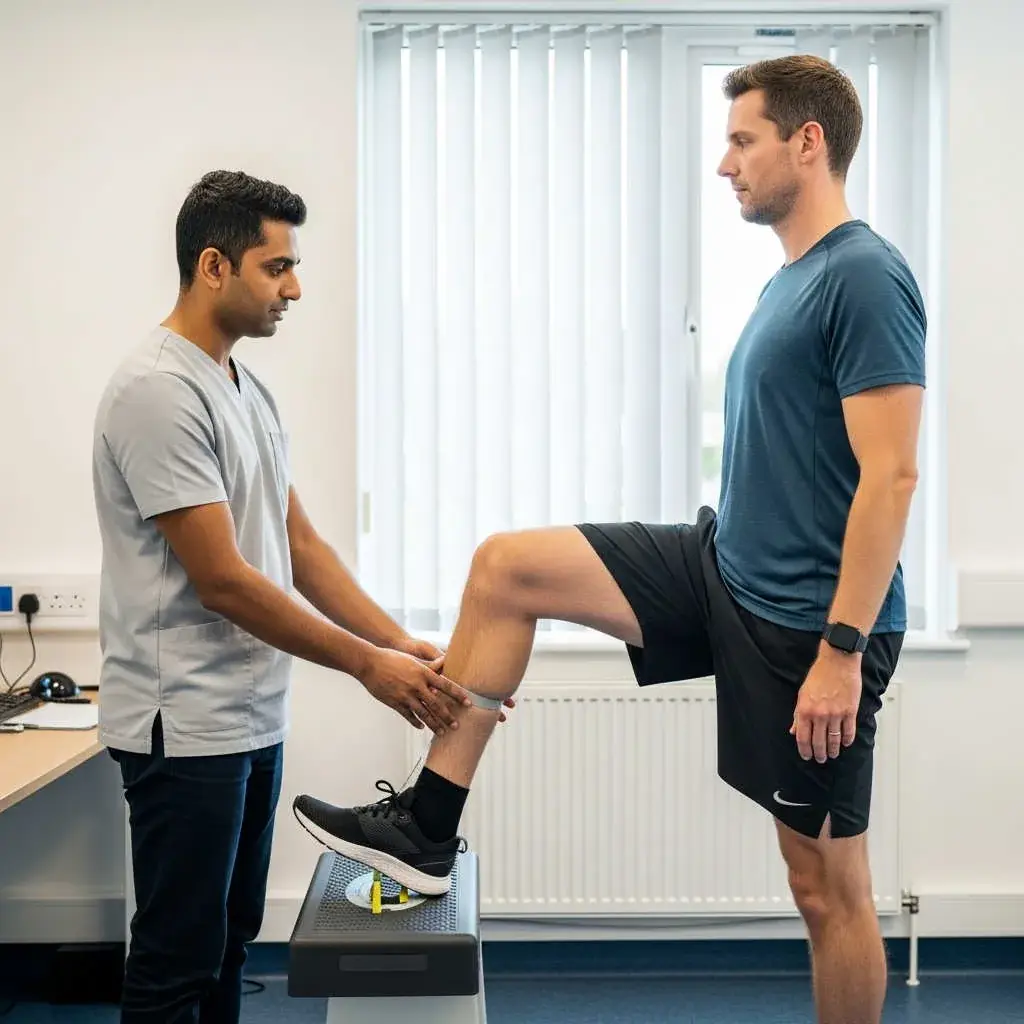
A biomechanical assessment is a 60-minute “MOT for your movement” that uses technology and expertise to uncover why you are in pain. It is a deep dive into your structure and function, far beyond a quick look at your foot.
You might be unsure what this appointment actually entails. Our guide on what actually happens in a biomechanical assessment explains the step-by-step process, from gait analysis to pressure plate testing. This thorough investigation allows us to build a personalised treatment plan that targets the specific mechanics causing your injury.
Frequently Asked Questions about Finding the Cause
Q: Can I just wait for my foot pain to go away? A: Generally, no. If pain persists beyond two weeks, it is likely a mechanical issue. Ignoring it can lead to chronic conditions and compensatory injuries.
Q: Do I really need a biomechanical assessment? A: If your pain is recurrent or sports-related, yes. It identifies the root cause. Without it, you are just treating symptoms, not the problem.
Q: Is the assessment painful? A: No, the assessment involves observation and measurement of your movement. It is a diagnostic process designed to be comfortable and informative.
Q: How does finding the cause save money? A: By identifying the root cause early, you avoid spending money on ineffective treatments, multiple appointments for recurring issues, and potential lost income from time off work.
Protecting Your Investment in Your Health
Ultimately, the goal is to return to your active lifestyle without the fear of pain returning. You are investing in your ability to run, play, and move freely.
If you are ready to stop guessing and start recovering, then the first step is simply to understand exactly what is happening inside your foot. A consultation will give you that clarity.
Ready to Take the Next Step Towards Pain-Free Movement?
At We Fix Feet, our expert podiatrists are dedicated to understanding your unique situation and providing personalised care to help you treat your pain, improve your movement, and get back to living life to the full. We’ve helped thousands of people just like you overcome frustrating foot and lower limb conditions.
Your Journey to Recovery Starts Here:
The best way to understand how we can help is to have a conversation. Let’s explore your symptoms and discuss the most effective treatment options for you.
Prefer to Talk? Call us directly on 0115 9328832 to speak with a member of our friendly team.
Want to learn more about our approach first? Discover Our Commitment to You on our About Us page or explore Our Advanced Treatment Options.