
Shockwave Therapy: Accelerate Your Recovery
At We Fix Feet, we understand how debilitating foot and lower limb pain can be. Our Focused Shockwave (ESWT) and Radial Pressurewave Therapy offers a non-invasive solution to help you return to your active lifestyle quickly and safely.
What is Shockwave Therapy?
Shockwave Therapy, also known as Extracorporeal Shockwave Therapy (ESWT), involves delivering high-energy sound waves to targeted areas of the body. This stimulates the body’s natural healing processes, reducing pain and improving function. We offer Radial and Focused Shockwave Therapy to cater to various conditions and patient needs.
Benefits of Shockwave Therapy

Effective Pain Relief: Alleviates discomfort associated with chronic conditions.
Non-Invasive Treatment: No surgery or injections are required.
Quick Sessions: Each treatment typically lasts around 15 minutes.
Minimal Downtime: Allows for a prompt return to daily activities.
Conditions Treated
Shockwave Therapy is effective for various musculoskeletal conditions, including:
Plantar Fasciitis: Heel pain due to inflammation of the plantar fascia.
Achilles Tendinopathy: Pain and stiffness in the Achilles tendon.
Patellar Tendinopathy: Knee pain commonly known as jumper’s knee.
Tennis Elbow: Elbow pain caused by overuse of forearm muscles.
Calcific Tendonitis: Calcium deposits in tendons, often in the shoulder.

Our Approach
At We Fix Feet, your comfort and recovery are our priorities:
Personalised Assessment: We evaluate your condition to determine if Shockwave Therapy suits you.
Tailored Treatment Plan: We customise the therapy to address your unique needs.
Ongoing Support: We guide your recovery journey to ensure optimal outcomes.
What to Expect During Treatment
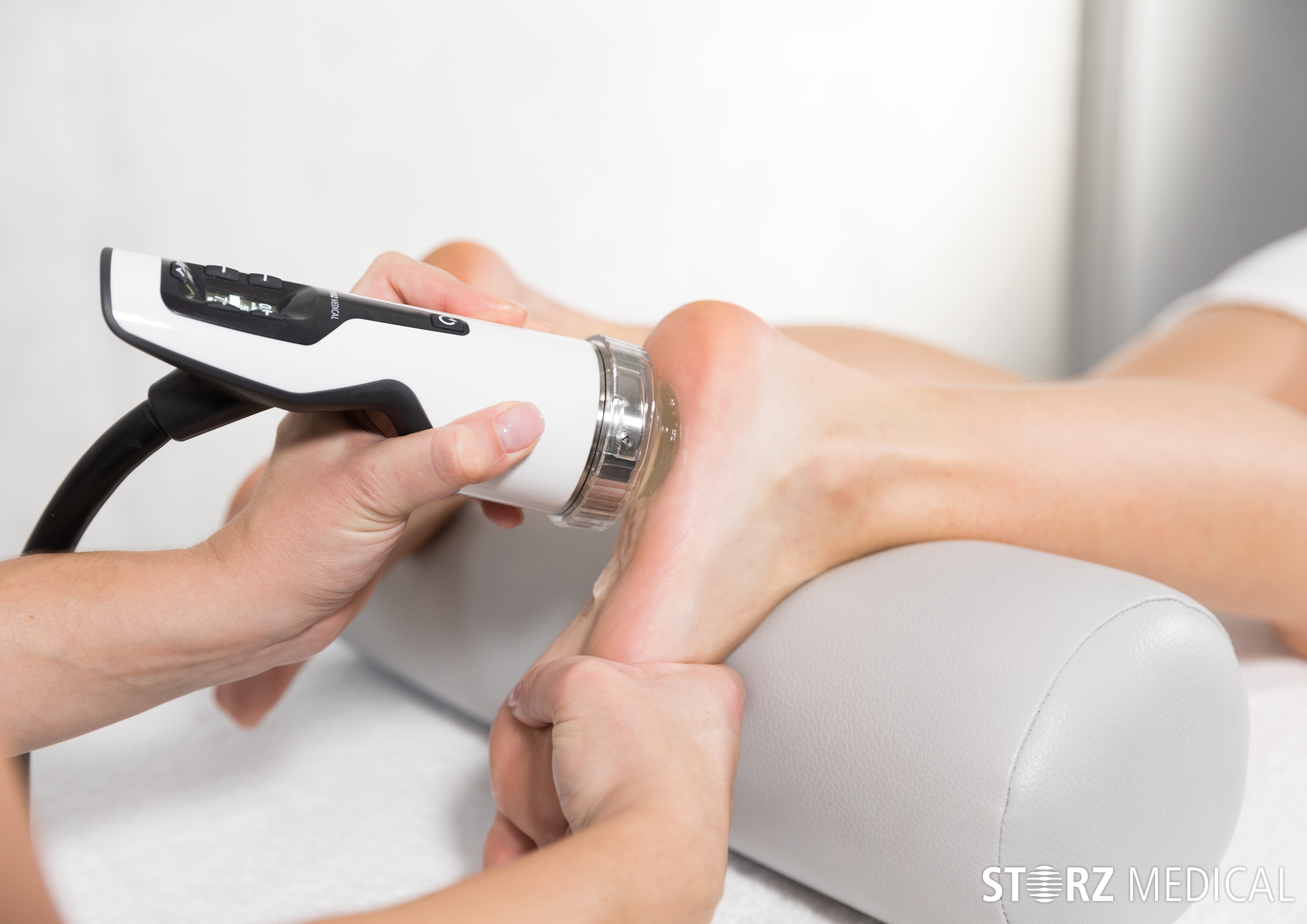
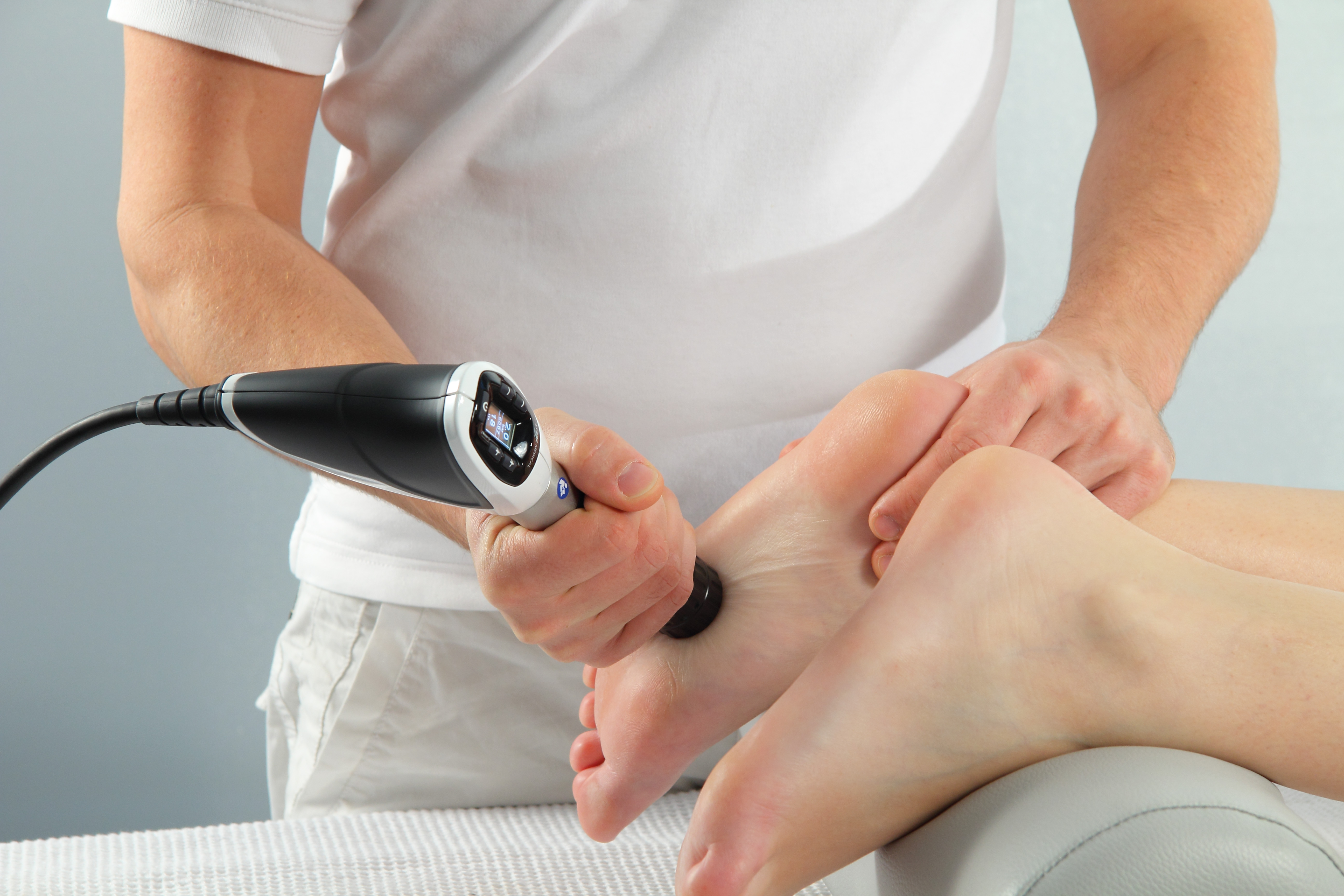
Procedure: A handheld device delivers shockwaves to the affected area.
Duration: Sessions typically last about 15 minutes.
Sensation: You may experience mild discomfort during the procedure, which usually subsides quickly.
Post-Treatment: Most patients can resume normal activities immediately, with some experiencing immediate pain relief.
Is Shockwave Therapy Right for You?
If you’re dealing with chronic foot or lower limb pain that hasn’t responded to traditional treatments, Shockwave Therapy might be the solution. Our experienced practitioners will assess your condition and discuss your best treatment options.

Frequently Asked Questions
Clear answers about biomechanical assessments, gait analysis, recurring pain, footwear, orthotics and personalised treatment planning.
01 What is a biomechanical assessment and what does it involve?
A biomechanical assessment is a detailed evaluation of how your feet, joints and muscles work together while standing, walking and, where appropriate, running.
It helps identify movement patterns and mechanical factors that may contribute to pain, injury or reduced physical performance.
02 How do I know if I need a biomechanical assessment?
A biomechanical assessment may be helpful if you have persistent foot, ankle, knee, hip or lower back pain, recurring injuries or discomfort that repeatedly returns.
The assessment can help identify contributing factors, explain what may be done about them and guide the most appropriate treatment plan based on the findings.
03 What types of pain or injuries can a biomechanical assessment help diagnose?
A biomechanical assessment can assist in evaluating conditions such as plantar fasciitis, Achilles tendon problems, shin pain, forefoot pain, knee pain and hip problems.
It may also help assess many overuse injuries where movement patterns, loading or foot mechanics may be contributing factors.
04 Can a biomechanical assessment identify the cause of my foot, knee, hip or back pain?
A biomechanical assessment can often identify mechanical factors that may be contributing to your symptoms.
Pain can have several possible causes, but understanding how your body moves and manages load allows us to develop a more targeted treatment plan.
05 What happens during my biomechanical assessment appointment at We Fix Feet?
We begin by discussing your symptoms, medical history, activity levels and treatment goals.
We then assess areas such as joint movement, muscle strength, posture, foot position, walking pattern and, where appropriate, running mechanics.
These findings help us build a clearer picture of what may be happening and consider any relevant differential diagnoses.
06 Will you assess the way I walk and run?
Yes. Gait analysis forms an important part of many biomechanical assessments.
It helps us understand how your walking or running pattern may be influencing your symptoms, movement efficiency or injury risk.
07 Do I need to bring my everyday or sports footwear to the appointment?
Yes. Please bring the footwear you use most often for everyday activities, work, exercise or sport.
Examining your shoes provides useful information about wear patterns and whether they are appropriate for your lifestyle and activity.
Ideally, wear or bring a pair of shorts and a T-shirt or sports top so that your movement can be assessed properly.
08 How long does a biomechanical assessment usually take?
Biomechanical assessment appointments are longer than routine consultations to allow sufficient time for examination, explanation and discussion of your personalised plan.
We recommend allowing approximately one hour in your schedule.
09 Will I receive a personalised treatment plan following my assessment?
Yes. Your recommendations will be based on your symptoms, goals and assessment findings.
Your plan may include rehabilitation exercises, footwear advice, activity modification, orthotics or another appropriate rehabilitation programme.
10 Can a biomechanical assessment help prevent future injuries?
Yes. Identifying movement issues, strength deficits or loading problems early allows contributing risk factors to be addressed before they develop into more significant problems.
No assessment can prevent every injury, but it can help you make informed changes to reduce avoidable risks.
11 Will I need custom orthotics after my assessment?
Not necessarily. Orthotics are only prescribed when they are clinically appropriate and likely to provide a genuine benefit.
Many people improve through rehabilitation, footwear advice or training changes alone.
Where appropriate, We Fix Feet stocks a range of podiatry insoles and can also prescribe custom 3D-printed foot orthoses.
12 Can children benefit from a biomechanical assessment?
Yes. Where clinically indicated, biomechanical assessments can help investigate pain, walking patterns, hypermobility concerns and some developmental issues affecting movement.
Every child is assessed individually, taking their age, development and activity levels into account.
13 Can a biomechanical assessment improve my sports performance?
A biomechanical assessment may identify factors that affect your movement efficiency, comfort or sporting performance.
By addressing limiting factors, many athletes experience improved confidence, movement quality and performance.
14 Can you identify problems caused by poor footwear or abnormal movement patterns?
Yes. Footwear and movement are assessed together because both can influence pressure, loading, comfort and injury risk.
We can explain whether your footwear may be contributing to your symptoms and recommend appropriate changes where necessary.
15 Can a biomechanical assessment help if previous treatments have not worked?
Often, yes. A fresh assessment may identify contributing factors that were previously overlooked or have changed over time.
These findings can help guide a different and more individualised treatment approach.
16 Why should I choose We Fix Feet for a biomechanical assessment?
Our clinicians combine expertise in podiatry, biomechanics and sports therapy rehabilitation.
We provide an evidence-informed assessment tailored to your symptoms, goals, activity levels and lifestyle.
17 Can my biomechanical assessment be combined with rehabilitation, Shockwave Therapy or other treatments?
Yes. Where appropriate, we integrate the findings from your assessment into a comprehensive treatment and rehabilitation plan.
This may include Boost Microgravity Treadmill rehabilitation, Shockwave Therapy, musculoskeletal K-Laser Therapy, custom prescription 3D-printed orthotics or other appropriate interventions.
18 What should I wear to my biomechanical assessment?
Comfortable sports-style clothing that allows you to move easily is ideal.
Shorts and a T-shirt or sports top are usually most suitable. Please also bring the footwear you wear most often for daily activities, work, sport and exercise.
19 Can I access a biomechanical assessment through the NHS, or why do many people choose private assessment instead?
Access to NHS musculoskeletal podiatry services and waiting times vary between NHS trusts and according to local eligibility criteria.
Many patients choose private assessment because it can provide quicker access, longer appointments and a more detailed evaluation of their symptoms and movement.
20 How do I know whether a biomechanical assessment is the right first step for my condition?
A biomechanical assessment may be a useful first step if you are unsure why pain keeps returning or want a clearer understanding of how your body moves.
We will explain our findings and discuss all suitable treatment options so that you can make an informed decision about the next stage of your care.
Book Your Consultation Today
Take the first step towards a pain-free life. Contact We Fix Feet to schedule your consultation and discover how Shockwave Therapy can benefit you.
We Fix Feet – Supporting Your Recovery & Performance Every Step of the Way.
Still Feeling A Little Confused About Your Foot Condition And Don't Know What To Do?
- Fill in the form to request a Call From Our Team
- One of our team will call you for FREE and answer any questions or concerns you may have about your uncomfortable foot pain.