




Menu

Walking & Joint Pain Support | Service Page

Walking Shouldn’t Hurt

A Safer Way to Walk With Less Joint Pain

If walking has become uncomfortable, tiring, or something you quietly avoid, you’re not alone.

Joint pain, stiffness, and reduced confidence often develop gradually — until everyday walking feels harder than it should.Our Walking & Joint Pain Microgravity Rehabilitation Programme is designed to help you walk more comfortably, with less pain and more confidence, in a safe, clinically guided way.

Not sure if this is right for you? Start here.

We see people with these concerns every week — especially those who feel stuck between “doing nothing” and pushing through pain.

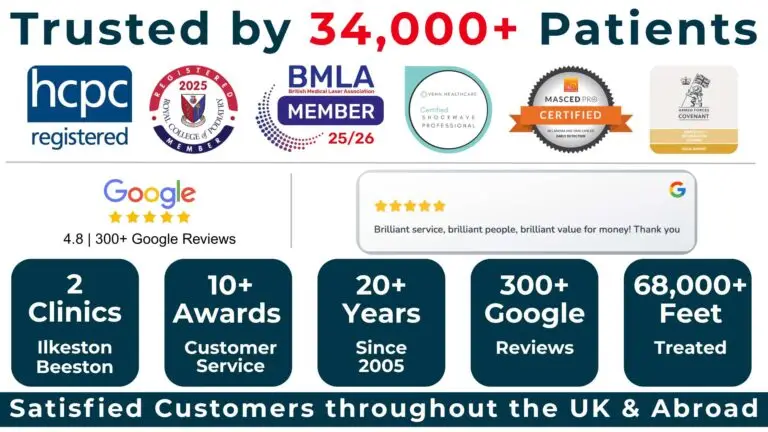
Trusted by 34000+ patients, HCPC Registered Podiatrists, British Medical Laser Association members, Venn Healthcare Shockwave Certified.

Who This Programme Is For

This approach is particularly suitable if you:

  • Have osteoarthritis (OA) in the hips, knees, ankles, or feet
  • Experience joint pain or stiffness that makes walking uncomfortable
  • Are recovering from injury or surgery and want to return to walking safely
  • Feel nervous or unsure about walking after pain or flare-ups
  • Have tried physiotherapy or exercises before, but progress has stalled
  • Want to stay active without pushing through pain

We see people with these concerns every week.
Many feel stuck between “doing nothing” and “doing too much.”
This pathway is designed for the space in between.

walk and joint support images 1

THE MICROGRAVITY REHAB PATHWAY

A structured, supported way back to comfortable walking

Walking pain doesn’t improve by pushing through it — or by avoiding movement altogether.
This pathway is designed to help you keep moving safely, rebuild capacity, and regain confidence step by step.

Step 1 — Walking & Movement Assessment

Start with clarity, not guesswork

We assess how you walk, how your joints tolerate load, and what currently limits your movement.
This allows us to decide whether reduced-load walking is appropriate — and how much support you actually need.

You’ll leave with:

  • A clear explanation of why walking is difficult right now
  • Reassurance about what is safe to do
  • A personalised starting point
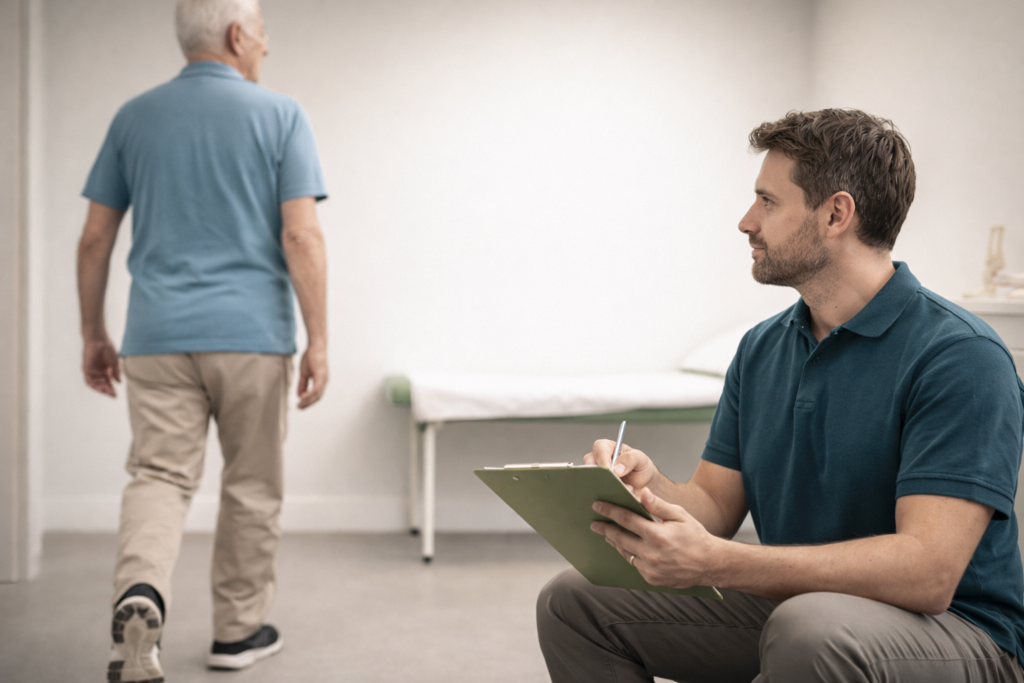
Walk & movement assessment

Step 2 — Reduced-Load Walking (Microgravity Treadmill)

Move without aggravating painful joints

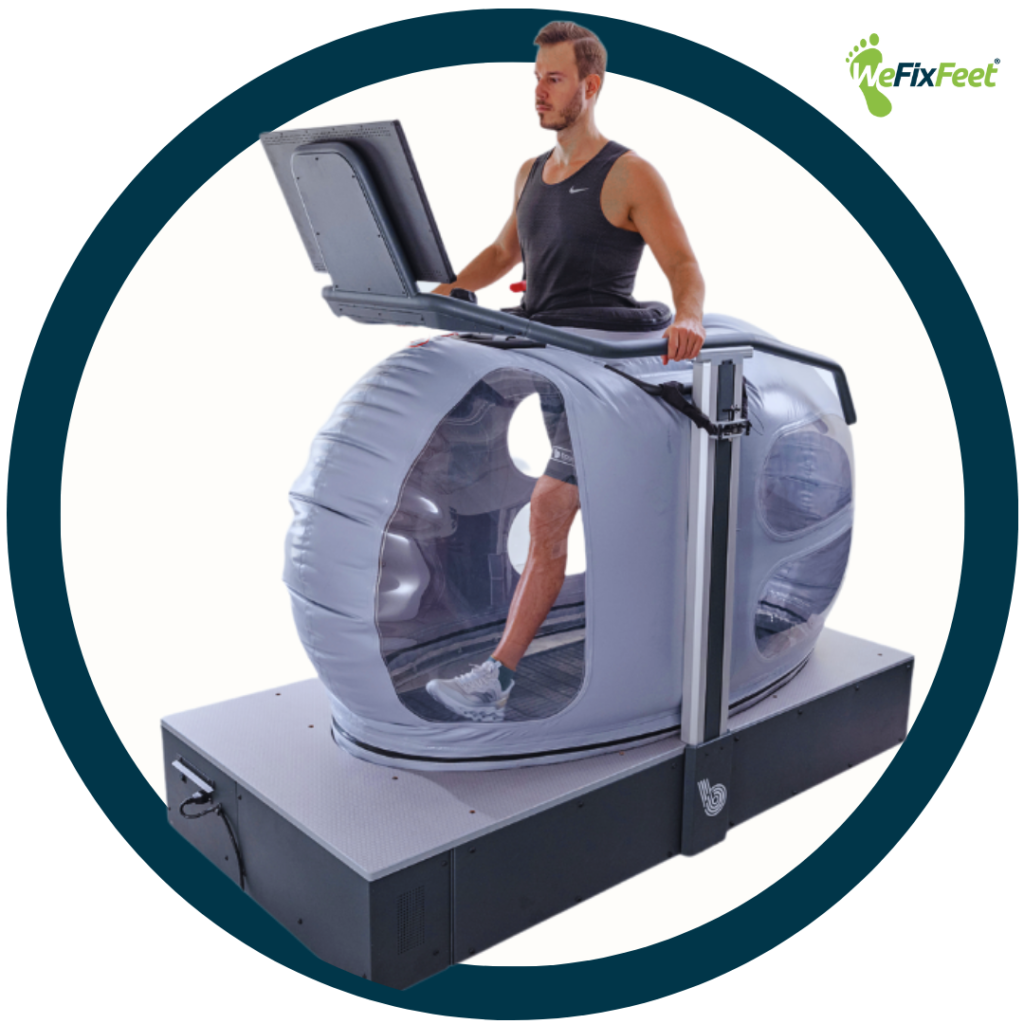
Using the Microgravity Treadmill, we reduce the load passing through sensitive joints while you walk.
This allows movement to continue without flare-ups, helping your body relearn comfortable, confident walking.

This stage focuses on:

  • Walking with less discomfort
  • Improving balance and control
  • Reducing fear around movement
Boost Microgravity Treadmill We Fix Feet

Step 3 — Strength & Capacity Building

Support walking so it lasts

As walking becomes more comfortable, we gradually introduce targeted strength and stability work.
This helps your joints tolerate everyday activity more easily — not just during treatment, but in real life.

This stage helps with:

  • Joint support and stability
  • Endurance for daily walking
  • Confidence returning to normal activity levels

Step 4 — Real-World Walking & Confidence

Transfer progress into everyday life

The final stage focuses on applying your progress outside the clinic — at home, outdoors, and in daily routines.
The goal is not just “walking here” — but walking better everywhere.

Success looks like:

  • More comfortable everyday walking
  • Less hesitation or guarding
  • Greater trust in your body again
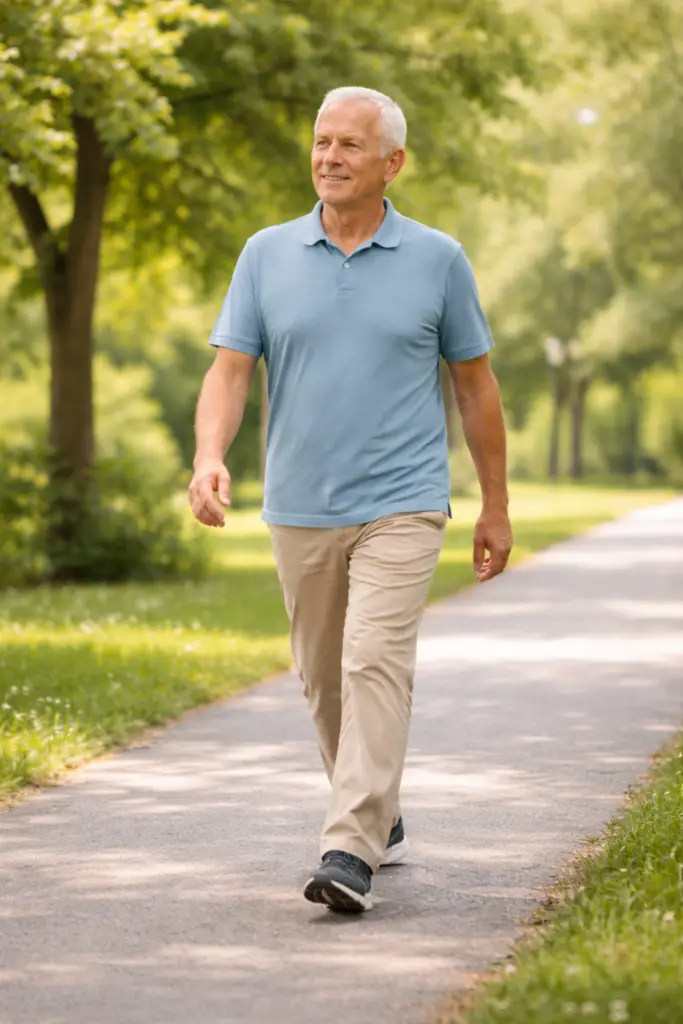
Walking Confidently

What to Expect

  • Most people attend multiple sessions over a period of weeks, depending on their starting point
  • Progression is guided, not rushed
  • The Microgravity Treadmill is used as part of a broader rehabilitation approach, not in isolation

How This Fits Into Your Wider Care

For many people, Microgravity walking becomes the bridge into longer-term improvement.
Once walking is more comfortable, we often transition patients into programmes such as VIP Move & Improve, where strength, movement quality, and confidence are developed further.

If this approach sounds right for you, the easiest next step is a Walking & Movement Assessment.

Why Walking Becomes Harder With Joint Pain Ebook Cover

"Why Walking Becomes Harder With Joint Pain — And What Can Help”

A supportive guide for people living with joint pain or arthritis who want to walk more comfortably and stay independent

What Happens After Walking Feels Easier?

For many people, Microgravity walking is the starting point — not the end.

Once walking becomes more comfortable and confidence improves, the next step is building strength, resilience, and long-term movement quality.

That’s where VIP Move & Improve fits.

Microgravity → VIP Move & Improve

From supported walking to lasting movement confidence

Microgravity Rehab helps you:

  • Reduce load through painful joints
  • Walk with less discomfort
  • Rebuild trust in movement

VIP Move & Improve then focuses on:

  • Strengthening the muscles that support walking
  • Improving balance, control, and endurance
  • Reducing the risk of setbacks or flare-ups
  • Helping progress last outside the clinic

Together, they form a progressive, structured rehabilitation pathway — from moving safely to moving well.

THE REALITY OF WALKING WITH JOINT PAIN

When walking becomes painful, many people notice:

  • Shorter walking distances
  • Reduced confidence outdoors
  • Avoidance of hills, uneven ground, or longer walks
  • Worry about making things worse

Over time, this can lead to:

  • Reduced activity
  • Loss of strength
  • More stiffness
  • Less independence

This isn’t weakness — it’s a natural response to pain.

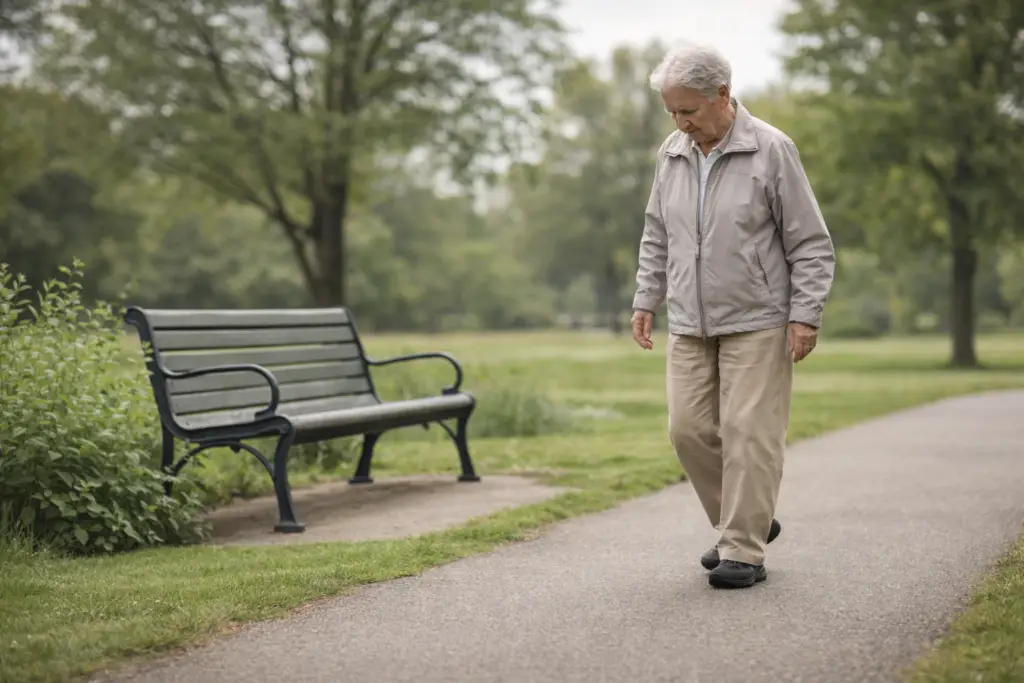
An older adult walking slowly outdoors on a flat paved path, moving carefully with shorter steps. A bench is visible nearby, suggesting limited walking distance.

WHY REST ALONE DOESN’T SOLVE THE PROBLEM

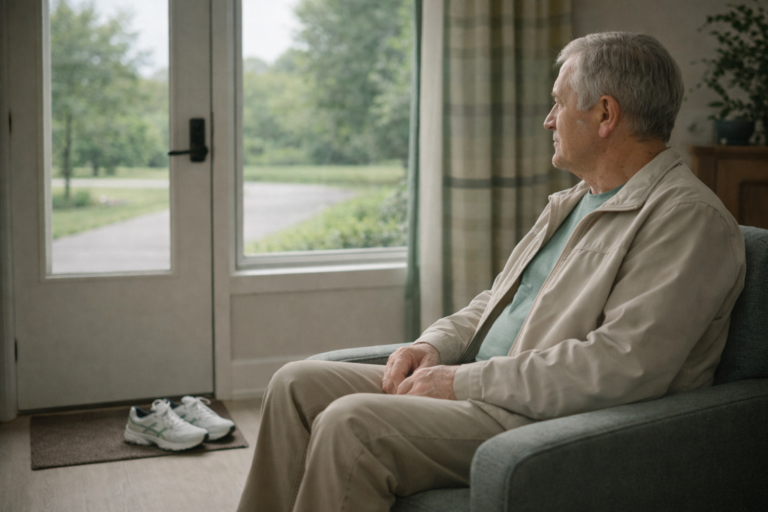
An older adult seated indoors near a window, looking outside toward a walking path or quiet street. Walking shoes are placed neatly near the door, unused.

Rest can settle symptoms temporarily.

But long-term walking difficulties often continue because:

  • Muscles weaken
  • Joints tolerate less load
  • Confidence reduces
  • Movement becomes cautious

The challenge isn’t whether to move —
it’s how to move safely and progressively.

This is a programme, not a one-off session.

Walking confidence improves when:

  • Practice is consistent
  • Progression is guided
  • Support is available

If you’re looking for reassurance without structure, this may not be right.

If you want support staying active long-term — it often is.

SAFETY & CLINICAL APPROACH

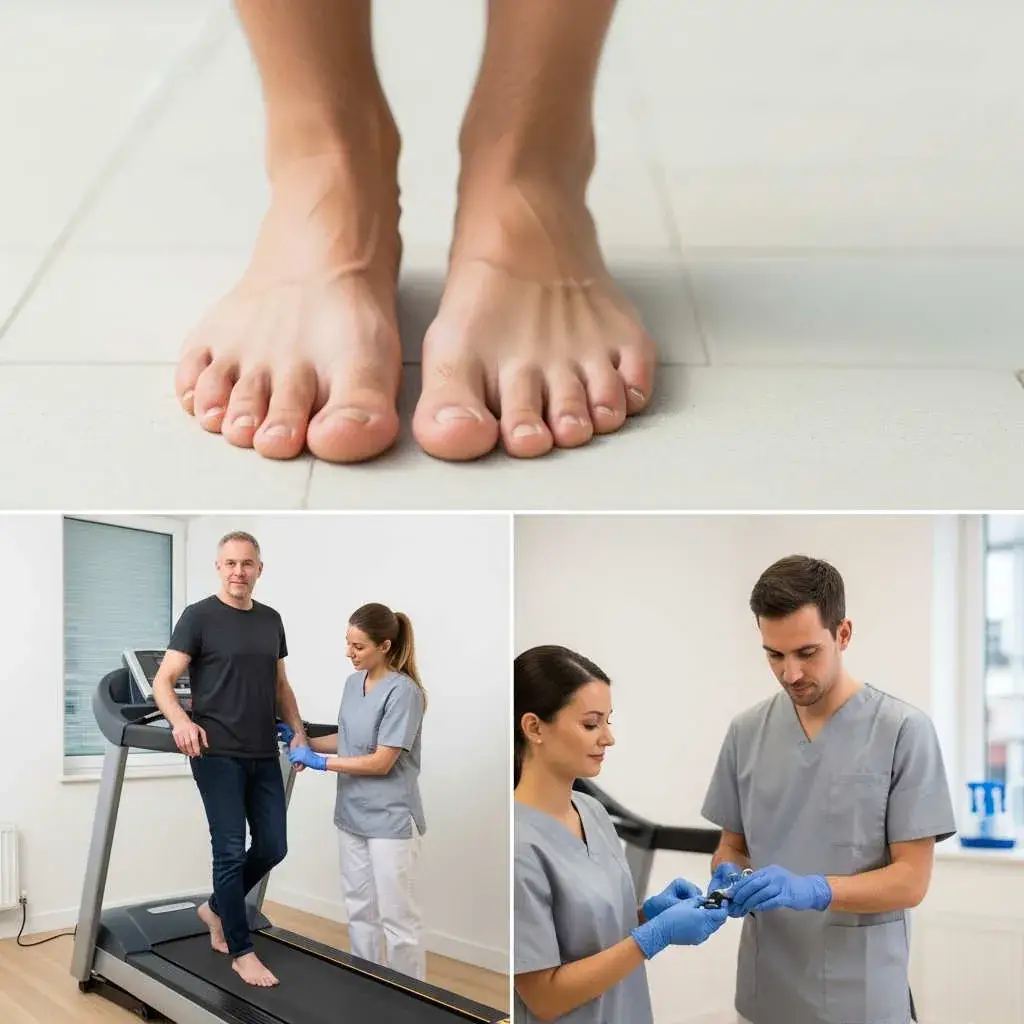
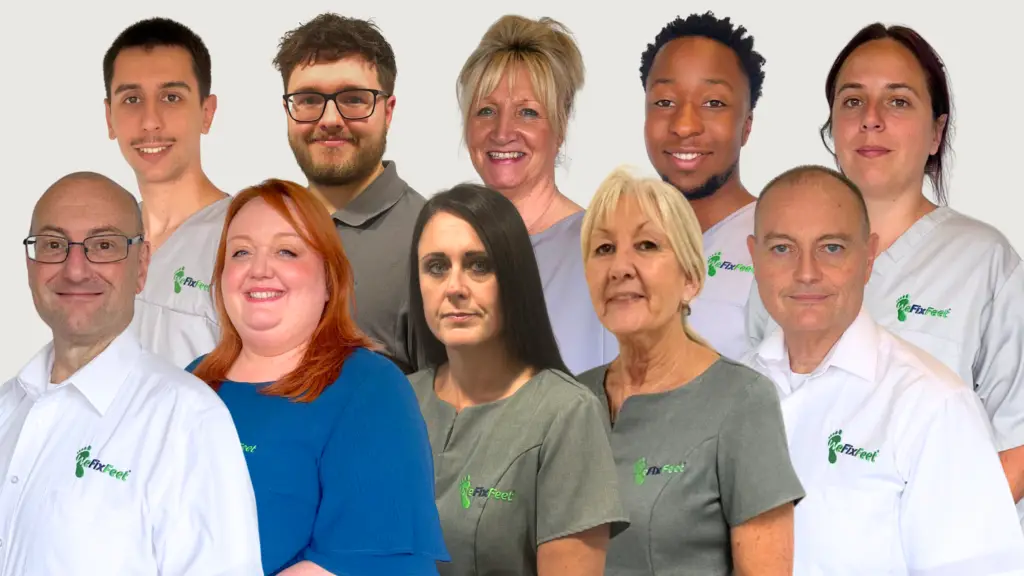
We Fix Feet Clinical Team January 2026 (1080 × 1080px)

Care is:

  • Individualised
  • Progressive
  • Supportive

Sessions are guided carefully to ensure:

  • Comfort is prioritised
  • Confidence improves gradually
  • Progress feels safe and manageable

Your Next Step

If walking has started to feel harder than it should, there is a safer way forward.

Frequently Asked Questions (FAQs)

Is this suitable for arthritis?

 Yes — programmes are adapted to your comfort and ability.

 No. The goal is to improve walking comfort, strength, and confidence.

Walking is adjusted to feel comfortable and supported.

No — this is designed for people who want support, not pressure.

Still Feeling A Little Confused About Your Condition And Don't Know What To Do?

Still Confused About How We Can Help Solve Your Foot Condition? Take Us Up On One Of Our FREE Options

Our Clinic Locations

We have two convenient locations in Beeston and Ilkeston, making expert podiatry and sports rehabilitation accessible across Nottinghamshire and Derbyshire.

Ilkeston Clinic

Beeston Clinic

Testimonials

Before You Book Your Appointment, Here’s Just A Handful Of Our Patients Success Stories To Put Your Mind At Ease

Lynn Aldred profile picture
Lynn Aldred
1 month ago
Just had feet done with Ronnie its like walking on air hes done amazing job thankyou .

Lynn Aldred profile picture
Lynn Aldred
1 month ago
Just had feet done with Ronnie its like walking on air hes done amazing job thankyou .
Ronnie Mbwana did a fabulous job for me today. He gently treated my damaged toenail, cut my nails, removed hard skin and provided a thorough checkup. The service provided by him and the receptionist throughout was excellent. I highly recommend this practice.
Kay Stone profile picture
Kay Stone
1 month ago
I had an appointment with Ronnie 6 weeks ago, and again today for a follow up appointment.
I had an ingrown toenail which I had left way too long and had become infected. I finally plucked up the courage to visit We Fix Feet in Ilkeston. My only regret is not visiting sooner! Ronnie was able to remove the portion of ingrown toenail at my first appointment, and within a day or two, my nail was perfect. After hiding my feet for many years I finally have a healthy set of toenails and have treated myself to my first ever pair of open toe sandals! All the staff here are wonderful, professional and very reassuring for which I am very grateful. Thank you
Kay Stone profile picture
Kay Stone
1 month ago
I had an appointment with Ronnie 6 weeks ago, and again today for a follow up appointment.
I had an ingrown toenail which I had left way too long and had become infected. I finally plucked up the courage to visit We Fix Feet in Ilkeston. My only regret is not visiting sooner! Ronnie was able to remove the portion of ingrown toenail at my first appointment, and within a day or two, my nail was perfect. After hiding my feet for many years I finally have a healthy set of toenails and have treated myself to my first ever pair of open toe sandals! All the staff here are wonderful, professional and very reassuring for which I am very grateful. Thank you