

This is one of the most common and most frustrating questions people ask when heel pain refuses to settle:
“How long should this actually take to heal?”
Some people are told weeks.
Others are told months.
Many are left guessing.The truth is, heel pain can heal quickly but only when the right problem is being treated in the right way.
The Short Answer (Then the Honest One)
The short answer:
👉 Heel pain should start improving within 6–12 weeks with the right treatment.
The honest answer:
👉 Heel pain can last indefinitely if the cause isn’t properly addressed.
This is why some people recover smoothly, while others struggle for years.
Why Heel Pain Often Takes Longer Than Expected
Heel pain doesn’t usually linger because the body is “slow to heal”.
It lingers because:
- The tissue keeps getting overloaded
- The same movement pattern keeps repeating
- Pain settles… but the cause hasn’t changed
Rest alone often reduces symptoms, but it doesn’t change how forces move through the foot and leg once activity resumes.
Common Heel Pain Recovery Timelines (Realistic, Not Optimistic)
🔹 Mild / Early Heel Pain
Timeline: 4–8 weeks
Best treatment: Load modification, footwear advice, simple rehab
Often settles well if caught early.
🔹 Persistent Heel Pain (3+ months)
Timeline: 8–16 weeks
Best treatment:
- Proper diagnosis
- Targeted rehab
- Shockwave therapy (where appropriate)
- Biomechanical assessment
This is where professional input makes the biggest difference.
🔹 Long-Term or Recurrent Heel Pain
Timeline: Variable — but improves once the right factors are addressed
Best treatment:
- Full biomechanical assessment
- Shockwave therapy
- Ongoing load management
- Structured rehabilitation
Pain doesn’t heal because time passes — it heals because stress is managed correctly.
What Are the Best Treatments for Heel Pain?
There is no single “best” treatment for everyone — but there are best-practice approaches.
✅ 1. Accurate Diagnosis
Not all heel pain is plantar fasciitis.
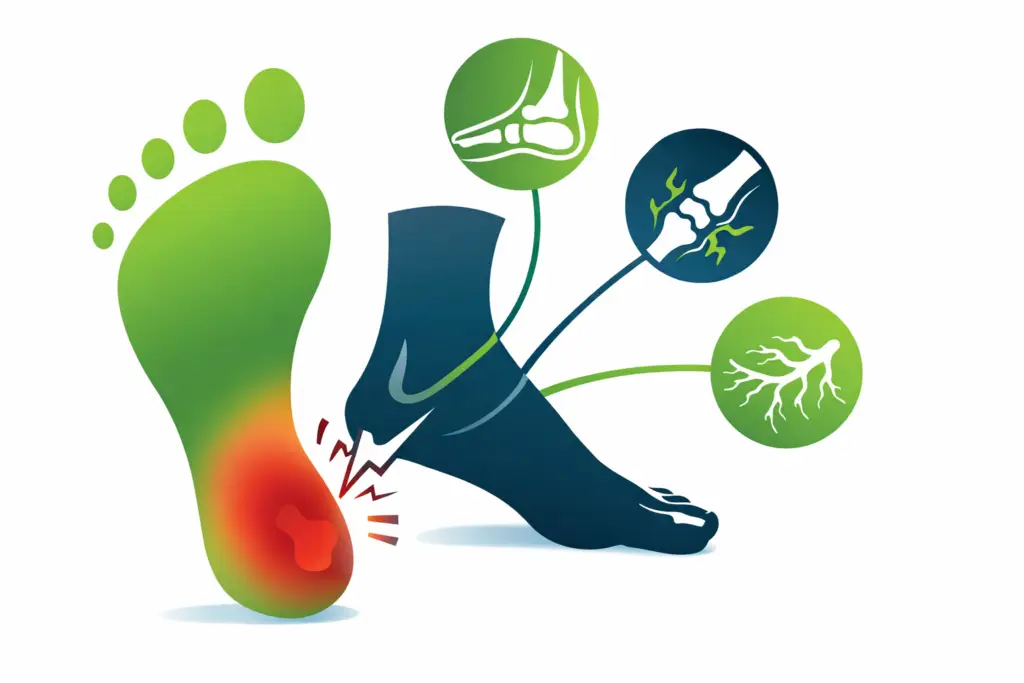
Heel pain can come from:
- Plantar fascia overload
- Fat pad irritation
- Achilles insertion issues
- Nerve irritation
- Referred pain from higher up
Treating the wrong thing delays recovery.
✅ 2. Biomechanical Assessment
A biomechanical assessment looks at:
- How your foot loads
- How forces travel through the leg
- Why does one area keep taking stress
This is often the missing link for people stuck in cycles of flare-ups.
✅ 3. Shockwave Therapy
For persistent heel pain, shockwave therapy is one of the most effective evidence-based options.
It:
- Stimulates tissue healing
- Helps break long-term pain cycles
- Avoids injections or surgery
Shockwave works best when combined with proper assessment and rehab.
✅ 4. Targeted Rehabilitation
Stretching alone is rarely enough.
Effective rehab focuses on:
- Load tolerance
- Strength
- Control
- Gradual return to activity
This is especially important for active people and busy professionals.
✅ 5. Footwear & Support Advice
Shoes don’t cause heel pain — but the wrong shoes can stop it healing.
Small changes here can dramatically improve recovery speed.
When Heel Pain Isn’t Healing Normally
You should consider a professional assessment if:
- Pain lasts longer than 6–8 weeks
- Pain returns every time activity increases
- Morning pain never fully settles
- You’ve adapted how you walk or train
At this stage, waiting longer rarely helps.
Why “Just Giving It More Time” Often Backfires
The body is excellent at compensating.
People unknowingly:
- Shift load elsewhere
- Change stride
- Reduce activity without realising
This can lead to:
- Secondary knee, hip, or back pain
- Loss of fitness
- Longer overall recovery
Early clarity almost always shortens total healing time.
The Takeaway
Heel pain doesn’t heal based on patience alone.
It heals when:
- The correct cause is identified
- Load is managed properly
- The right treatment is applied at the right stage
For most people, heel pain should improve within weeks, not years.
If it hasn’t, it’s usually not because your body is failing; it’s because the approach needs refinement.