
That nagging foot pain isn’t just an inconvenience when you’re active; it’s a risk that could sideline you for longer than you think. Ignoring it rarely makes it better – often, it makes things much worse.
Key Takeaways:
- Ignoring persistent foot pain, particularly from conditions like [plantar fasciitis (wefixfeet.co.uk/plantar-fasciitis)] or [Achilles tendon pain (wefixfeet.co.uk/achilles-tendon)], typically leads to worsening symptoms.
- Acute pain can transition to chronic conditions, involving tissue changes such as scar tissue formation and tendon degeneration, making recovery harder.
- Your body may develop compensatory movement patterns to avoid foot pain, potentially causing new issues in your knees, hips, or back.
- Delaying professional assessment often results in significantly longer recovery times and may necessitate more complex treatments.
- Recognising “red flag” symptoms is crucial for seeking timely expert help and preventing minor issues from becoming major, activity-limiting problems.
Why You Might Be Ignoring Foot Pain (And Why You Shouldn’t)
It’s a common scenario for many active individuals. Life is demanding, professional commitments take priority, and perhaps past treatments haven’t yielded results, or you’re simply hoping that niggle is nothing serious.
The instinct to ‘push through’ discomfort is strong when you’re focused on your fitness goals.
We at We Fix Feet understand this reluctance.
Our goal here isn’t to cause alarm but to provide the honest, technically sound information you need.
With over 35 collective years dedicated to helping people return to moving freely and living vibrantly, we believe in empowering you with the truth about your foot health, so you can make informed decisions.
What Really Happens If You Ignore Foot Pain?
Putting off addressing that foot pain isn’t a passive act; changes are likely occurring within your foot that can escalate the problem, sometimes significantly, over time.
Why Active People Like You Might Be Tempted to Ignore Foot Pain
That initial ache often starts as a whisper, and the urge to ignore it, especially when you’re passionate about your sport or activity, can be overwhelming.
Many tell themselves it’s “just a minor strain” or try to “power through it.”
The apprehension of being advised to pause activities you love – be it running, gym workouts, or team sports – can be a powerful deterrent to seeking timely advice.
Previous ineffective treatments or long waits for NHS appointments can also lead to procrastination.
And, undeniably, there’s often that flicker of hope that the pain will resolve on its own, or perhaps a subtle fear of what a diagnosis might actually reveal.
These are all understandable human reactions when facing an unwelcome physical problem.
The Science of Worsening Pain: What’s Really Happening Inside Your Foot?
When conditions common in active people, such as [plantar fasciitis (wefixfeet.co.uk/plantar-fasciitis)] or [Achilles tendon pain (wefixfeet.co.uk/achilles-tendon)], are not addressed, specific and detrimental physiological changes can begin within the affected tissues.
When Plantar Fasciitis is Left Unchecked:
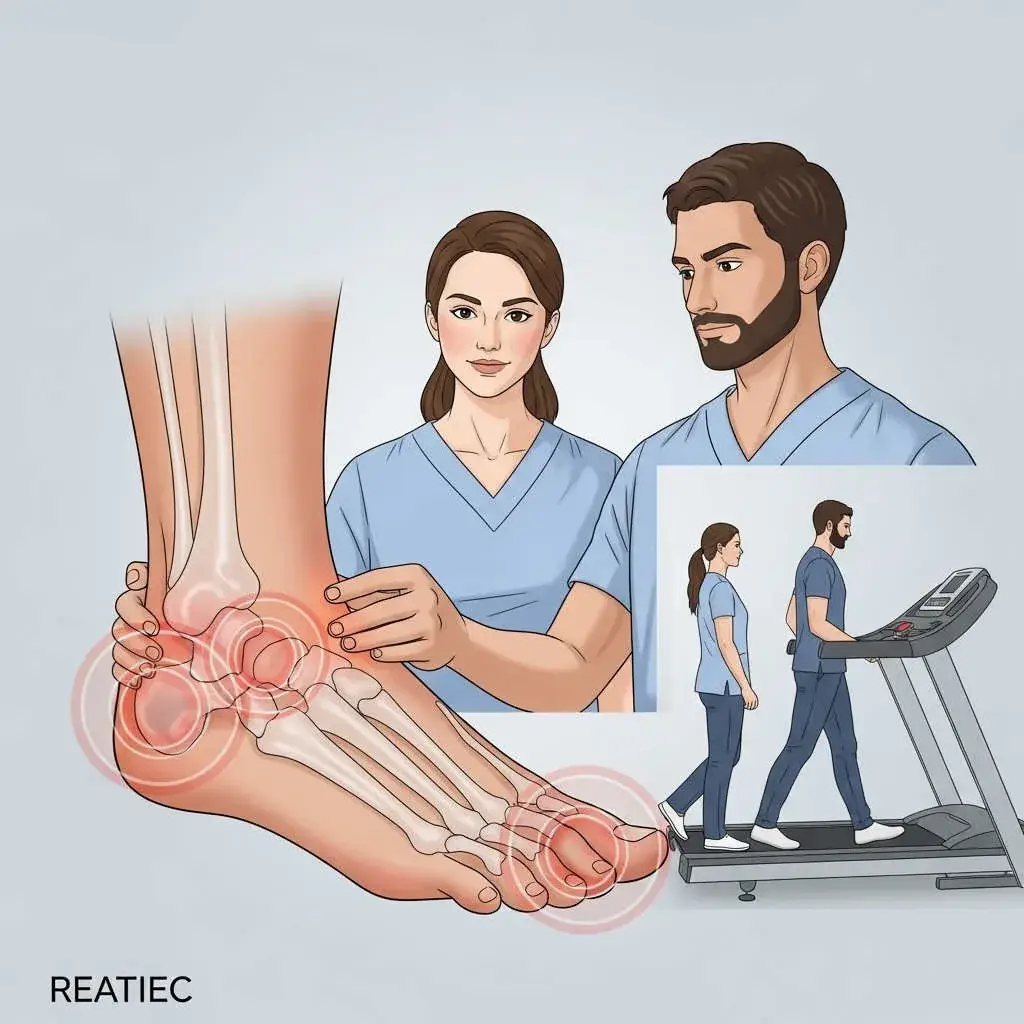
If you’re grappling with plantar fasciitis – that characteristic sharp pain under your heel, often most acute first thing in the morning or after rest – continuing to train or place load on the inflamed plantar fascia can cause an accumulation of micro-tears.
Your body’s natural healing response to this ongoing trauma can lead to the formation of scar tissue. This scar tissue is notably less flexible and more prone to re-injury than healthy fascial tissue. Over time, this can result in a palpable thickening of the plantar fascia itself, a change we frequently observe on ultrasound scans in established chronic cases.
Persistent inflammation can also sensitise the nerve endings in the area, meaning you experience pain with less provocation.
In some long-standing instances, heel spurs may develop, which, while not always the direct source of pain, serve as an indicator of chronic traction and inflammation at the fascia’s attachment point to the heel bone.
Understanding these potential internal changes underscores why early and effective management strategies are so important for this very common cause of heel pain.
The Degeneration of an Ignored Achilles Tendon: With Achilles tendinopathy – typically presenting as pain, and often swelling, in the large tendon at the back of your ankle – continued overuse on an already compromised tendon can facilitate a shift from Achilles tendinitis (primarily an inflammatory response) to Achilles tendinosis. Tendinosis is a degenerative condition, signifying that the actual structure and composition of the tendon are changing for the worse. An accumulation of micro-damage occurs, the normally well-organised tendon fibres can become disarrayed, and the tendon may lose some of its natural elasticity and strength.
This structural degradation makes it less capable of withstanding the forces generated during activities like running and jumping.
As the Royal College of Podiatry notes, tendinopathy can imply a ‘failed healing response’ within the tendon.
Persistently ignoring these progressive warning signs significantly elevates the risk of a more serious acute injury, including a partial or even a complete rupture of the Achilles tendon.
The Path to Chronic Pain & Typical Timelines:
The transition from acute foot pain to a chronic condition is a significant concern.
For plantar fasciitis, pain that persists for more than three to six months, especially if aggravating activities continue without appropriate management, is often considered to be entering a chronic phase.
Indeed, NICE (National Institute for Health and Care Excellence) guidelines suggest that plantar fasciitis symptoms can persist for many months or even years if not managed effectively. With Achilles tendinopathy, if the initial inflammatory stage (tendinitis) is ignored and overloading activities continue, the progression to degenerative tendinosis can occur over a period of weeks to months.
Once tendinosis is established, the condition is, by its nature, chronic, and the structural changes within the tendon at this stage are more difficult to reverse, typically meaning a longer recovery period. It’s also important to understand that the development of chronic pain involves not just changes in the local tissues but can also involve changes in the nervous system.
Persistent pain signals can lead to central sensitisation, where the central nervous system becomes more efficient at transmitting pain signals, and the brain’s interpretation of these signals is amplified.
This is a key reason why early intervention is so critical – to prevent these pain pathways from becoming so deeply ingrained and difficult to modify.
The Ripple Effect: How Ignored Foot Pain Can Impact Your Whole Body
Your body is an incredibly adaptive system. When one part hurts, other parts instinctively try to compensate to reduce discomfort.
If your foot hurts, you will naturally, often unconsciously, alter the way you walk or run to avoid aggravating the painful area.
While this might provide temporary relief to the sore spot, these compensations can place abnormal and unintended stress on other joints and tissues.
This can lead to a range of secondary problems, which we frequently see in active individuals:
- Knee Pain: Altered foot mechanics can significantly change the alignment of your leg, leading to increased stress on the knee joint. This can manifest as conditions like patellofemoral pain syndrome (often called runner’s knee) or iliotibial (IT) band syndrome as the knee attempts to absorb forces differently. [Explore Knee Pain Treatment (wefixfeet.co.uk/knee-pain-treatment)]
- Hip Pain: Changes in gait resulting from foot pain can also affect the hip. For example, if one leg is favoured, the hip on the other side may experience increased strain, potentially leading to conditions such as hip bursitis or gluteal tendinopathy. [Learn about Hip Pain Treatment (wefixfeet.co.uk/hip-pain-treatment)]
- Back Pain: The kinetic chain extends from your feet all the way up your spine. An unstable or painful foundation in the feet can lead to subtle but persistent changes in pelvic alignment and spinal posture, which over time can contribute to the development of lower back pain. [See Back Pain Treatment options (wefixfeet.co.uk/back-pain-treatment)]
- Pain in the Other Foot/Leg: Overloading the “good” leg to protect the injured one is a very common compensatory pattern that can, unfortunately, lead to overuse injuries in the previously healthy limb.
- Potential for Stress Fractures: Altered loading patterns can concentrate stress on bones not accustomed to such forces, potentially increasing the risk of stress fractures in the metatarsals, tibia, or fibula.
For example, we often see runners who, after ignoring persistent heel pain, present to us with new-onset knee issues because they’ve unconsciously altered their foot strike and running mechanics.
Addressing the root cause in the foot is often key to resolving these secondary complaints.
The Tangible Impact: When “Worse” Disrupts Your Performance and Daily Life
For an active individual, “worse” isn’t an abstract medical term; it translates into concrete negative impacts on your ability to participate in sports, maintain your active lifestyle, and can even affect work performance and overall quality of life.
The fear of an injury worsening or becoming chronic, and concern about “how long you’ll be ‘out of action,'” are entirely well-founded.
Progressive foot pain can directly stop you from participating in your valued activities: running your target 10k, engaging in gym workouts, or playing sports like football or golf that involve dynamic movements or prolonged periods on your feet.
Beyond sport, persistent foot pain can make simple daily activities like walking, standing for extended periods, or even driving uncomfortable.
If your job requires you to be on your feet, or even if you have a predominantly sedentary job but enjoy walking during breaks or for leisure, chronic [foot pain (wefixfeet.co.uk/foot-pain)] can significantly reduce your comfort and productivity.
Furthermore, the inability to engage in enjoyable physical activities, often a key stress reliever, coupled with chronic pain, can negatively impact mood and mental well-being.
Consider an active professional we helped, who initially dismissed his heel pain. Six months later, he was struggling to walk for more than 10 minutes without significant discomfort and had been forced to give up his weekly football game.
Early, targeted intervention could likely have significantly shortened his path back to full activity.
Red Flags: Critical Signs Your Foot Pain Demands Professional Attention NOW
Your body often provides clear signals when a problem is escalating and requires expert interpretation.
If you experience any of the following symptoms, it is a strong indication that your foot pain should not be ignored and warrants immediate professional attention:
- Pain that becomes more frequent, more intense, or lasts longer, especially if it’s worsening despite attempts to rest.
- Pain that starts to occur with less activity or begins to manifest even when you are at rest.
- Pain that is severe enough to wake you from your sleep at night.
- The development of any new symptoms, such as numbness, tingling, burning sensations, or weakness in the foot or ankle.
- Visible swelling, redness, warmth, or bruising around the painful area that doesn’t resolve quickly with simple measures.
- Pain that is so significant it forces you to limp or noticeably alter your gait (the way you walk or run).
- Pain that no longer responds to simple self-care measures, such as ice or over-the-counter pain relief, that may have provided some relief previously.
- The onset of pain in other areas of your body, such as your knees, hips, or lower back, which may suggest your body is compensating for the foot problem.
Recognising and acting upon these red flags promptly can make a substantial difference to your recovery trajectory and long-term outcome.
The Cost of Delay: Why Waiting Often Means Longer, More Complex, and Costlier Recoveries
A significant, yet often underestimated, consequence of ignoring foot pain is that when treatment is eventually sought, the recovery process is frequently longer, more complex, and potentially more costly.
What might have been a relatively straightforward issue to resolve in its acute phase can transform into a stubborn, chronic problem requiring more intensive and prolonged interventions if left unaddressed.
Chronic conditions, by their very nature, take longer to heal due to the physiological changes that have occurred, such as scar tissue formation, tendon degeneration, and potential central sensitisation of pain pathways.
These changes are more difficult and time-consuming to reverse.
For example, acute plantar fasciitis might respond well to a few weeks of targeted conservative care, including rest from aggravating activities, specific stretches, appropriate footwear advice, and possibly [orthotics (wefixfeet.co.uk/orthotics-and-insoles)].
However, chronic plantar fasciitis, especially if it has persisted for over a year, may require many months of dedicated rehabilitation, potentially including more advanced treatment modalities.
Similarly, an early-stage Achilles tendinitis might settle with careful load management and specific exercises over several weeks, whereas established chronic Achilles tendinosis can take many months, sometimes six months to a year or even longer, to achieve significant and lasting improvement.
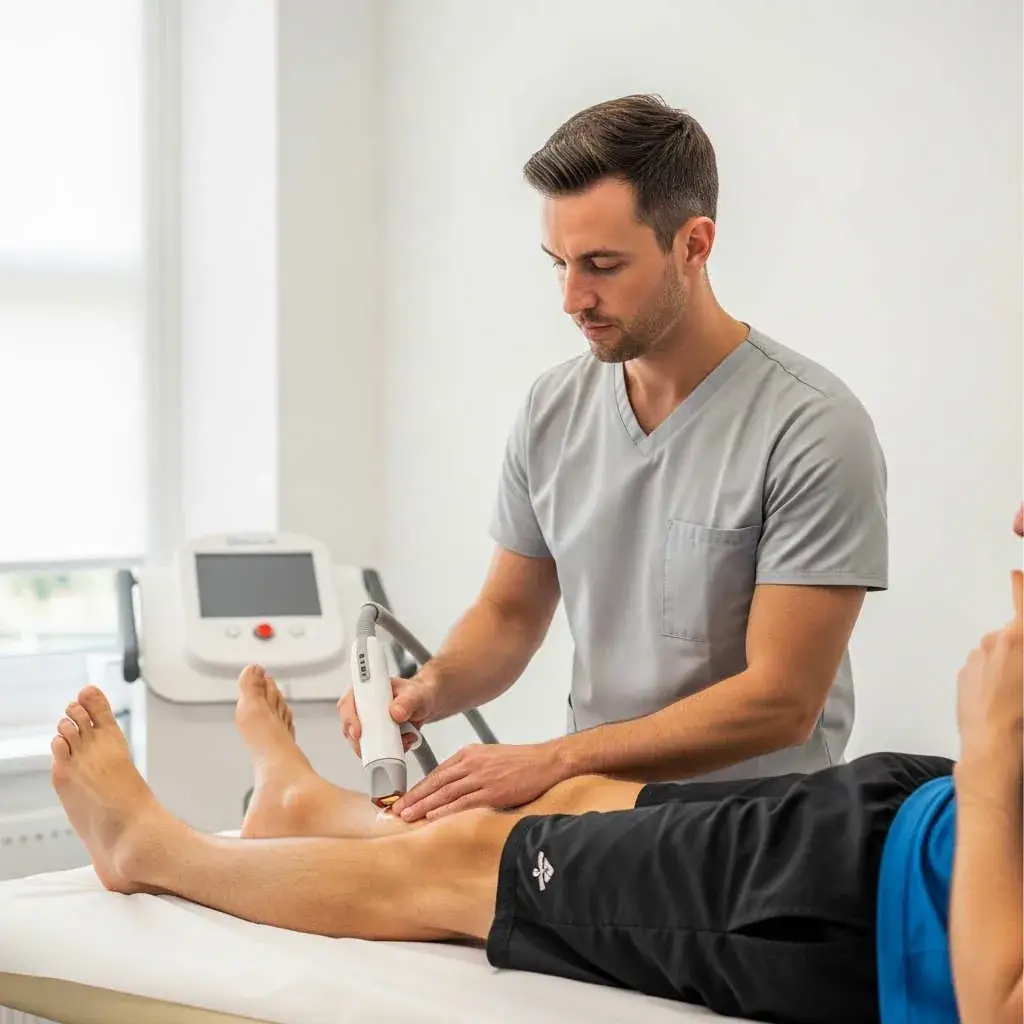
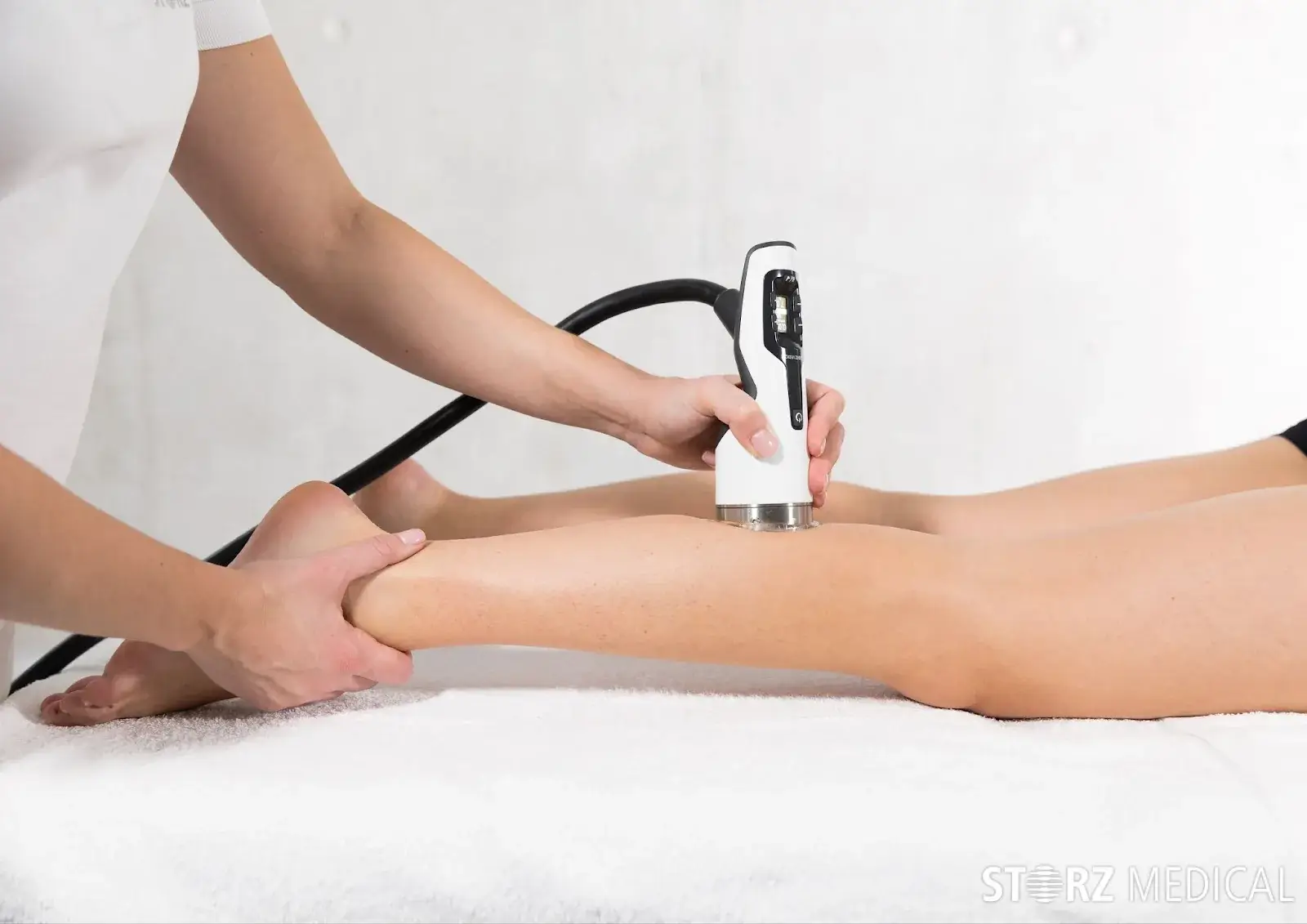
This delay can also necessitate the use of more advanced therapies such as [Shockwave Therapy (wefixfeet.co.uk/shockwave-therapy)] or Class 4 Laser therapy, which we utilise for more persistent cases where standard treatments have not yielded sufficient results.
While effective, these represent an escalation in treatment intensity and often cost compared to early-stage management.
In a small percentage of very chronic and debilitating cases of conditions like plantar fasciitis or Achilles tendinopathy that have failed to respond to extensive conservative treatment over a prolonged period (e.g., 6-12 months or more), surgical intervention might eventually be considered as a last resort.
The need for such invasive measures is far less common when conditions are addressed promptly and effectively at an earlier stage.
Acknowledging Nuance – When is a Twinge Just a Twinge?
It is important to state that not every single, minor, fleeting ache or pain automatically demands an immediate rush to a specialist.
Sometimes, a very mild, transient discomfort – perhaps experienced after trying a completely new type of exercise or following a particularly intense training session – that resolves fully within 24 to 48 hours with appropriate rest and doesn’t significantly limit your activity might be monitored carefully at home initially.
However, it is crucial to differentiate this from persistent, worsening, or activity-limiting pain – especially the kind of pain characteristic of known conditions like plantar fasciitis or Achilles tendinopathy, which you might be experiencing.
Pain that falls into this category squarely moves outside the ‘wait and see’ approach.
For pain that fits this more concerning description, professional assessment is key to avoid the cascade of negative consequences already detailed.
This isn’t about judging if your pain is ‘bad enough’ for our services if it’s currently minor; it’s about understanding that ignoring persistent or worsening pain is where the real problem lies, as it allows the condition the opportunity to escalate.
Taking Control of Your Foot Health
The primary risks of ignoring persistent foot pain, particularly for an active individual like yourself, are now hopefully clearer.
It’s highly likely the pain will worsen, potentially leading to chronic issues, the development of compensatory problems elsewhere in your body, and a significantly longer, more frustrating recovery period.
Understanding these potential downsides is the crucial first step towards making an informed, proactive decision about your health – an approach that aligns directly with our core commitment at We Fix Feet to empower our patients.
The Power of Early Assessment & Diagnosis
Let’s pivot to the positive outcomes. Seeking timely professional assessment for your foot pain brings with it considerable benefits, which are highly motivating for anyone keen to return to their active lifestyle.
An accurate diagnosis is the fundamental starting point.
From there, treatment is often simpler, more rapidly effective, and the recovery journey typically shorter when an issue is tackled in its early stages.
This translates directly to a quicker and safer return to your sport and daily activities, and, critically, the prevention of long-term complications and the cycle of recurrence you might understandably fear.
A comprehensive [biomechanical assessment (wefixfeet.co.uk/biomechanical-msk-assessment)], for instance – a cornerstone of our diagnostic approach at We Fix Feet – can delve into the underlying root causes of your pain.
This might involve analysing how your foot moves, your overall posture, or identifying specific muscle imbalances that are contributing to the problem.
Addressing these fundamental biomechanical faults is often key to not just relieving your current symptoms, but also to preventing that frustrating cycle of pain returning in the future.
If you’re keen to understand more about specific conditions like [Plantar Fasciitis (wefixfeet.co.uk/plantar-fasciitis)] or [Achilles Tendon Pain (wefixfeet.co.uk/achilles-tendon)] first, you can find our detailed guides on our website.
What Seeking Help Actually Involves
Taking that initial step to obtain professional advice for your foot pain does not need to be a daunting prospect.
An initial consultation specialist clinic like We Fix Feet is primarily about us listening carefully to you.
We want to understand your specific problem, your activity goals, and precisely how the pain is impacting your life.
This typically involves a detailed conversation about your symptoms and relevant medical history, followed by a thorough physical examination of your foot, ankle, and lower limb.
The overarching aim of this first visit is to achieve clarity – for both you and us – to understand exactly what’s wrong and why it’s happening.
Following this, we work collaboratively with you to develop a personalised treatment plan.
This plan will be meticulously tailored to address your specific condition and to help you get back to achieving your goals, whether that’s running a 10k, playing football without pain, or simply enjoying a comfortable daily walk.
This marks the beginning of a structured journey designed to help you Treat your pain, Move more freely and efficiently, and ultimately Improve your overall quality of life.
Your Next Step Towards Pain-Free Activity
The information we’ve shared here is designed to empower you to listen to your body’s signals and make a proactive, informed decision regarding your foot health.
You absolutely do not have to let foot pain dictate the terms of your life or prevent you from achieving your personal best in your chosen activities.
Recognising the significant risks of continued inaction is the vital first step; taking positive, informed action is the next, and that’s where we can support you.
This proactive stance is about investing in your ability to continue doing what you love, without the constant worry of pain holding you back.
At We Fix Feet, we firmly believe in having open and honest conversations about your health.
Understanding the potential pitfalls of ignoring persistent foot pain is so important, and our expert team is here to provide the specialised care you need to accurately diagnose the issue, effectively treat the underlying cause, improve your movement mechanics, and get you safely and successfully back to doing everything you love.
Ready to Take the Next Step Towards Pain-Free Movement?
At We Fix Feet, our expert podiatrists are dedicated to understanding your unique situation and providing personalised care to help you treat your pain, improve your movement, and get back to living life to the full. We’ve helped thousands of people just like you overcome frustrating foot and lower limb conditions.
Your Journey to Recovery Starts Here:
The best way to understand how we can help is to have a conversation. Let’s explore your symptoms and discuss the most effective treatment options for you.
Prefer to talk first? Call us directly on 0115 9328832 to speak with a member of our friendly team.