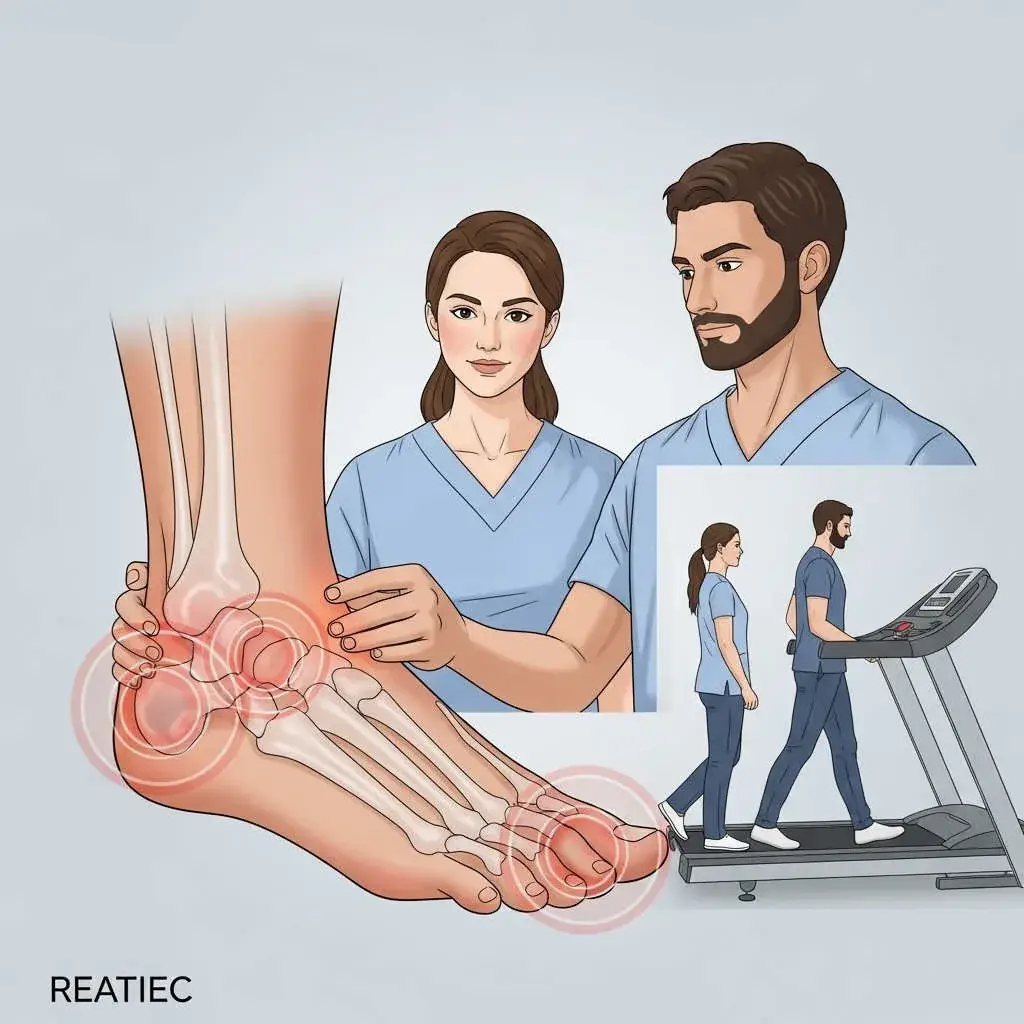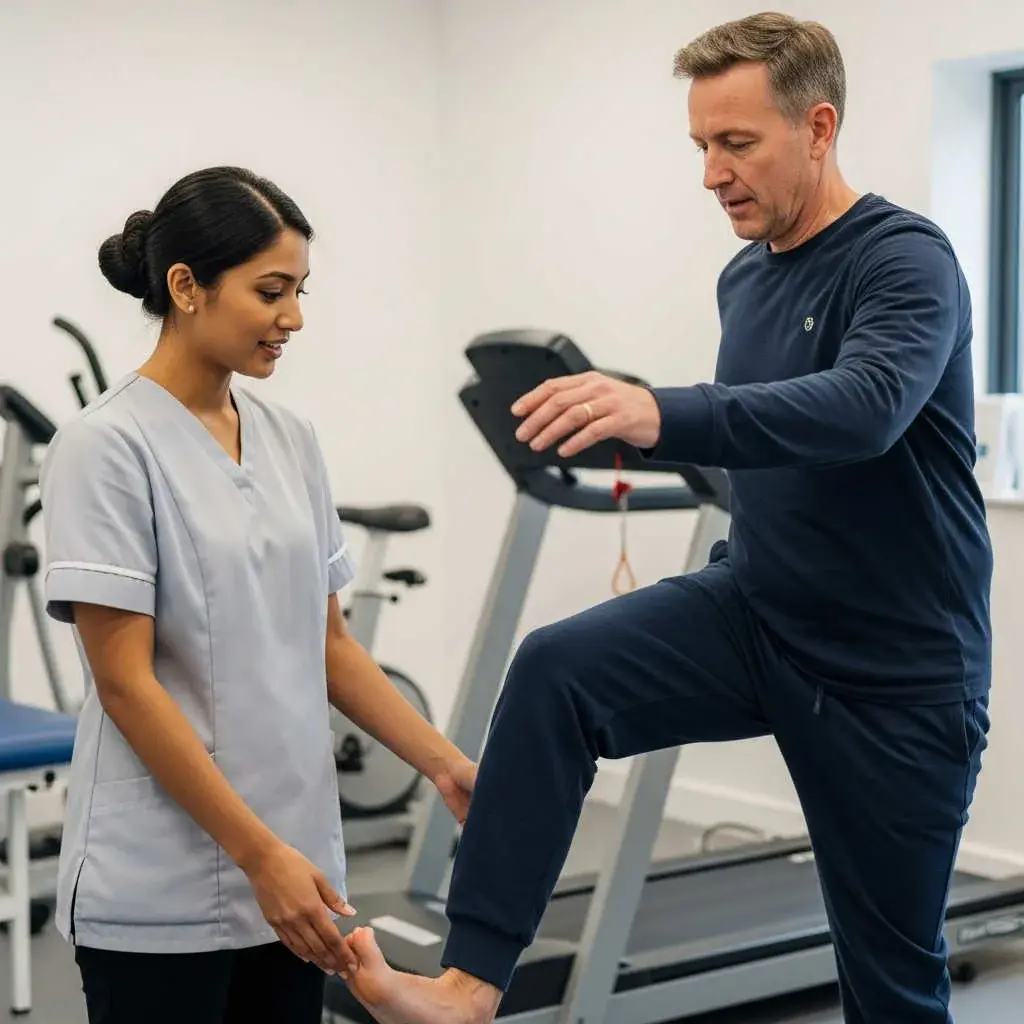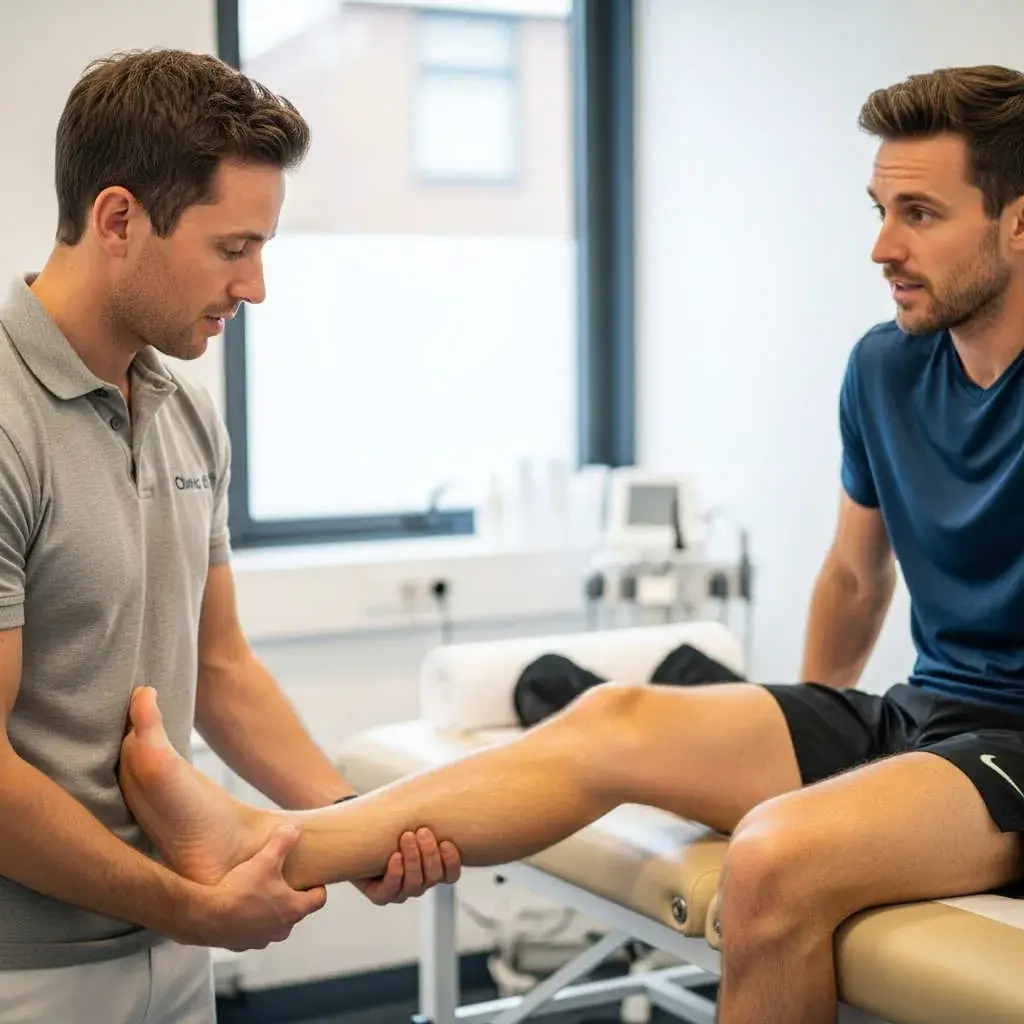

Heel pain can bring your active life to a grinding halt, leaving you searching for the quickest way back to your sport or daily routine. But when you’re looking for a fix, it’s natural to wonder: what’s truly the fastest way, and will it also be the proper solution that lasts?
Key Takeaways:
- The “best” heel pain fix balances speedy relief with a proper, long-term solution addressing the root cause.
- Accurate diagnosis via a specialist biomechanical assessment is fundamental to effective, personalised treatment.
- For active individuals, a combination of advanced treatments (like Shockwave or Laser therapy) and tailored rehabilitation often offers the most robust path to recovery.
Understanding Your Frustration and Our Commitment
We see it all the time: active individuals, runners, gym enthusiasts, or those simply busy on their feet, suddenly sidelined by debilitating heel pain. The frustration is immense – it’s not just the physical discomfort, but the inability to do what you love, the fear of it becoming a chronic problem, and often, the disappointment from previous treatments that haven’t worked. We recall a patient, a keen hill walker, who told us, “I’d almost given up hope on enjoying my walks again after trying so many different things for my heel. The key was finally understanding why it was happening and getting a plan that addressed that specific cause.”
Our goal here isn’t to push a particular service, but to share our experience. With over 35 years of collective experience in podiatry and sports injuries, we at We Fix Feet believe in empowering you with honest information. Helping you understand your options is a cornerstone of how we work.
“Fastest” vs. “Properly”: What Does “Best” Truly Mean for Your Heel Pain Recovery?
When pain stops you in your tracks, “fast” sounds fantastic. But if “fast” isn’t “proper,” you might find yourself back at square one sooner than you’d like. This is often the central dilemma.
What does “fast” truly mean to you? Is it immediate pain reduction to get through your day, or a swift, sustainable return to your 10k, your favourite sport, or your regular gym routine without that fear of reinjury?
And “properly”? That means a solution that gets to the root of the problem, provides lasting results, and helps you understand how to prevent it from coming back. It’s about addressing the underlying causes, not just masking the symptoms. The “best” approach is rarely one-size-fits-all; it depends on your specific diagnosis, your activity goals, and what you value most in your recovery.
Your Evaluation Toolkit: Key Criteria for Choosing the Right Heel Pain Treatment
To help you make an informed choice, consider these practical criteria when evaluating any treatment:
- Speed of Relief & Return to Activity: How quickly can you genuinely expect to feel better and, more importantly, get back to your activities safely and confidently?
- Effectiveness & Addressing the Root Cause: Does it merely mask pain, or does it tackle the underlying issue to prevent recurrence? Look for evidence of long-term success.
- Suitability for Your Active Lifestyle: How does the treatment fit with your training? Can you remain active, even if modified, during recovery? Is it designed for people who place high demands on their bodies?
- The Treatment Itself (Methodology, Experience & Overall Value): What’s involved? Is it invasive? What are the potential downsides or discomforts? Consider the overall value – not just the initial price tag. A quick, cheap fix that fails can cost more in the long run (in money, time, and continued frustration) than a comprehensive approach that aims for a lasting solution.
Understanding the Usual Suspects: Common Causes of Heel Pain in Active People Like You
For active people, heel pain often points to a few common culprits, though a specialist assessment is key for an accurate diagnosis.
Plantar Fasciitis often presents as a sharp, stabbing pain under your heel, especially noticeable first thing in the morning or after periods of rest. Achilles Tendinopathy typically causes an ache, stiffness, or tenderness at the back of your heel, often related to activity. Repetitive stress or underlying biomechanical issues are frequent triggers for both. While online searches can offer clues, a specialist assessment is vital for a treatment plan that actually targets your specific cause.
Weighing Your Options: An Honest Look at Heel Pain Treatments
Let’s look at common treatment paths with an upfront view of their pros and cons.
Rest, Ice, Compression, Elevation (RICE) / Protection, Optimal Loading, Ice, Compression, Elevation (POLICE)
This traditional first-aid approach can offer quick relief for an acute flare-up. However, for established heel pain in active people, it rarely fixes the underlying problem and can lead to deconditioning. It might offer some “fast” initial comfort, but often falls short on the “properly” fixed front for persistent issues.
Stretching and Strengthening Exercises
Specific exercises are vital for a “proper” fix, addressing muscle imbalances and preventing recurrence. Progress can feel slow, and for some, exercises alone aren’t enough if significant biomechanical issues exist.
Orthotics (Off-the-shelf and Custom-made)
Insoles can provide support and correct biomechanical issues, offering relatively “fast” relief for some. Custom orthotics, from a detailed assessment, are generally more effective but are an investment. They manage forces, so are often best as part of a wider plan.
Non-Steroidal Anti-Inflammatory Drugs (NSAIDs)
These can provide “fast” pain relief but primarily mask symptoms and don’t heal underlying tissue. This can tempt a premature return to activity, risking further injury. Not a “proper” long-term solution.
Extracorporeal Shockwave Therapy (ESWT)
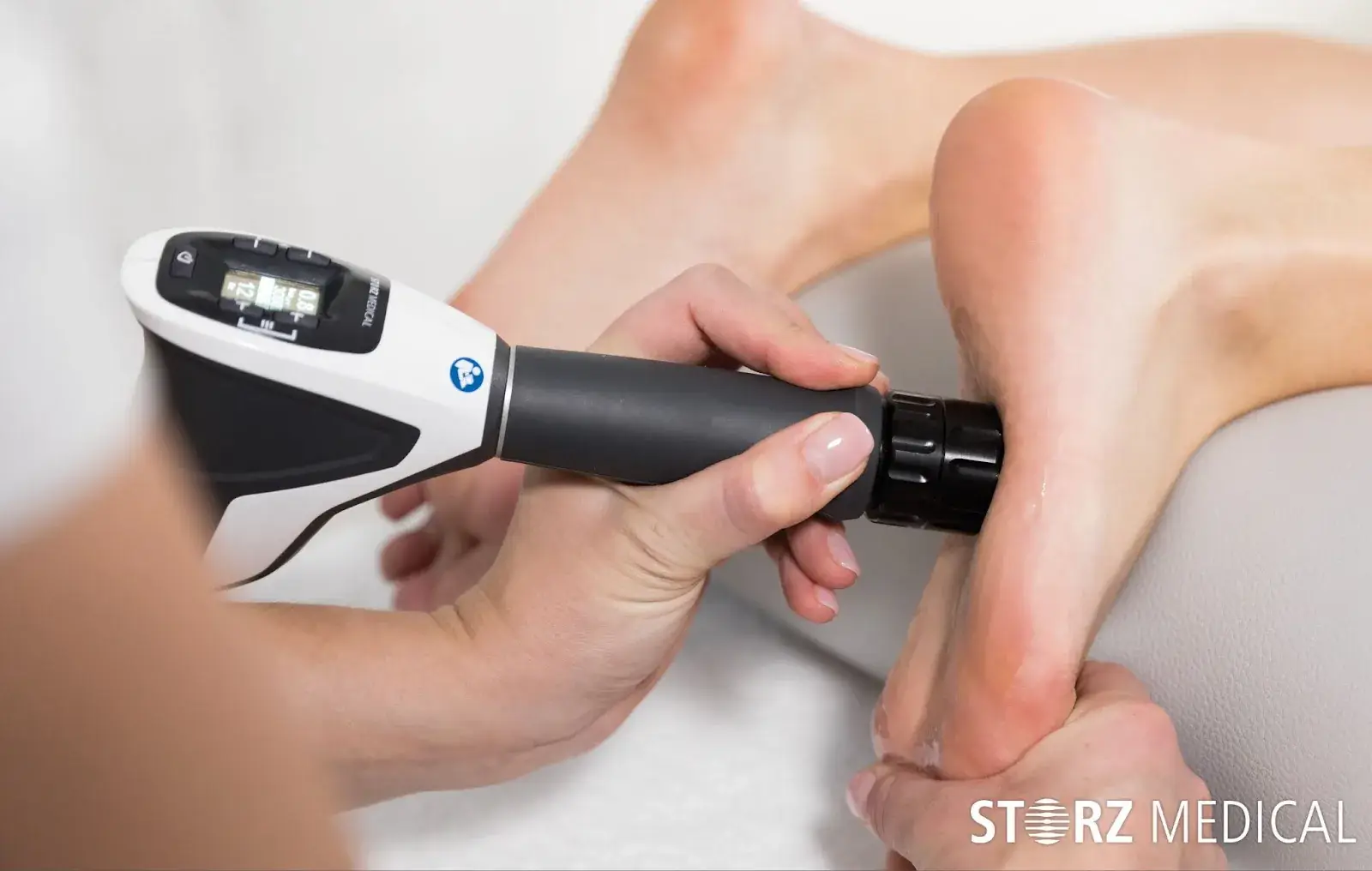
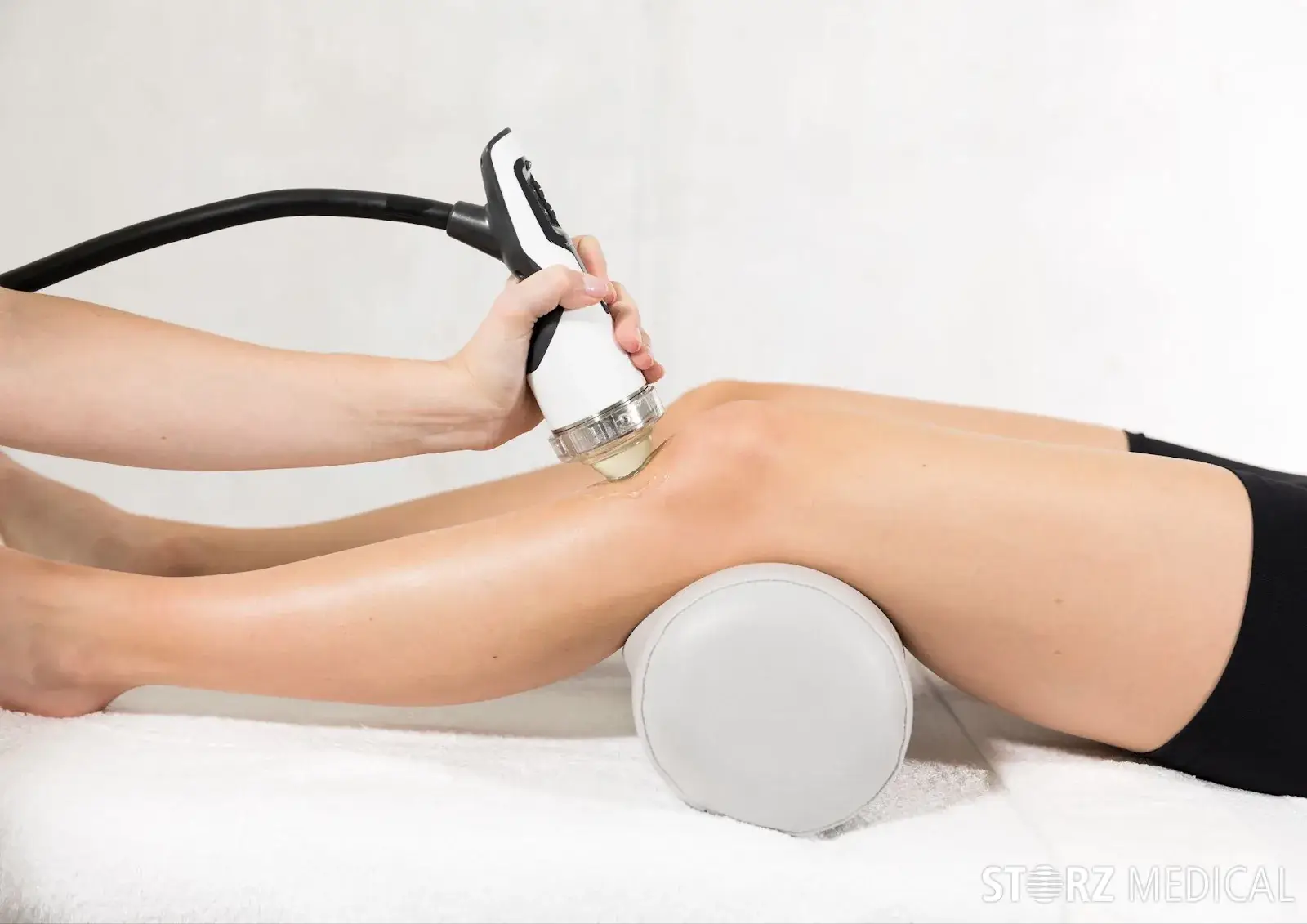
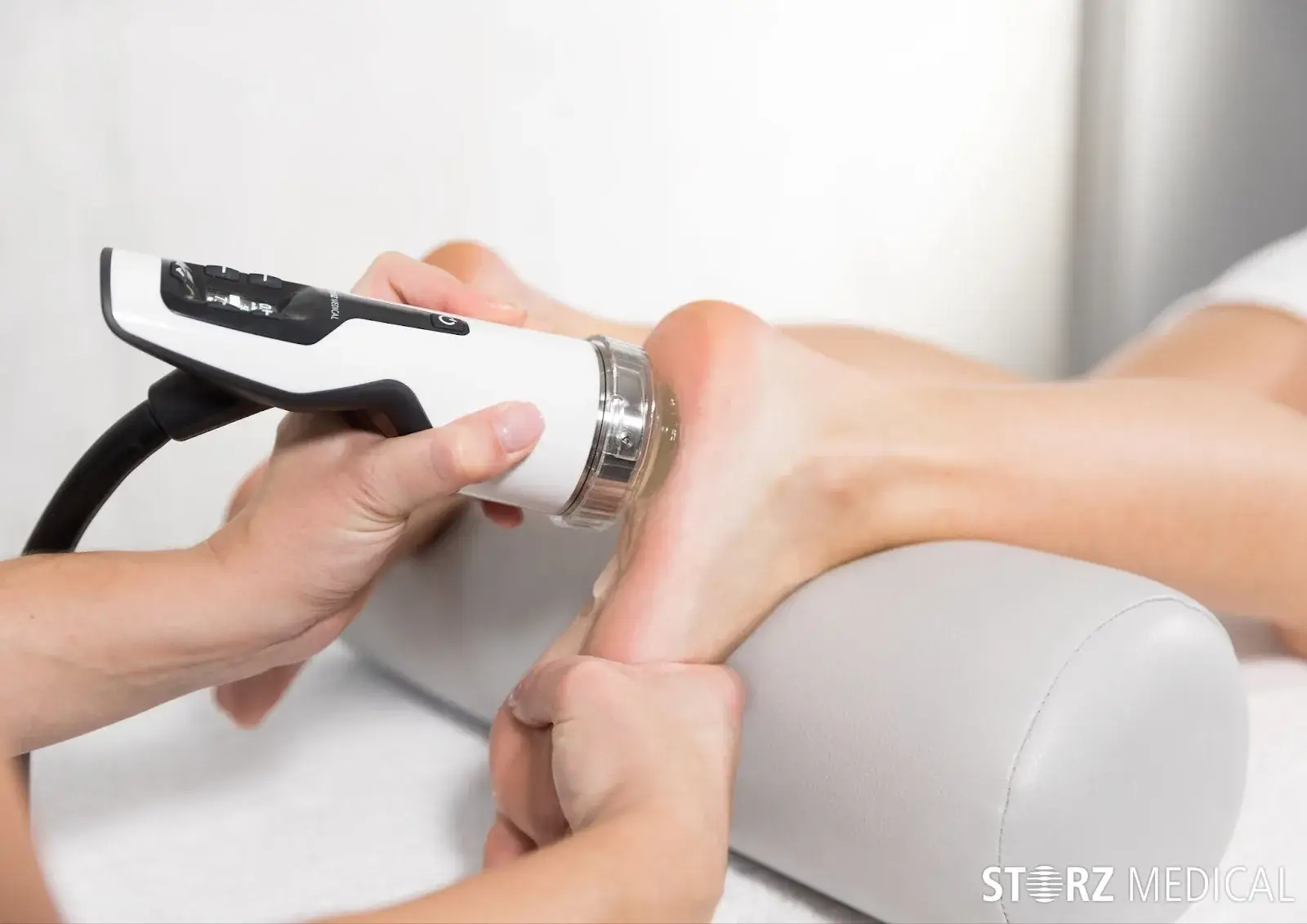
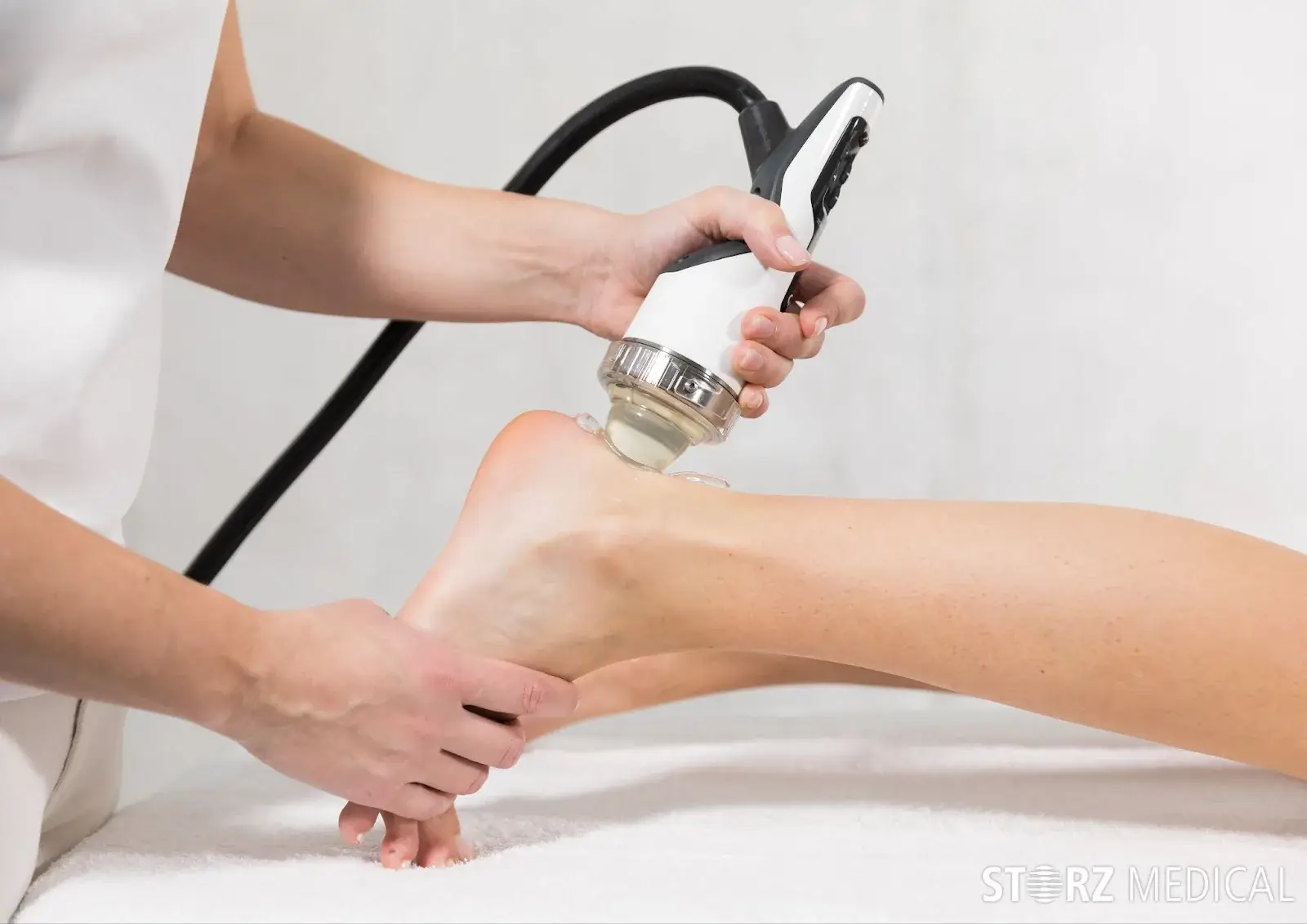
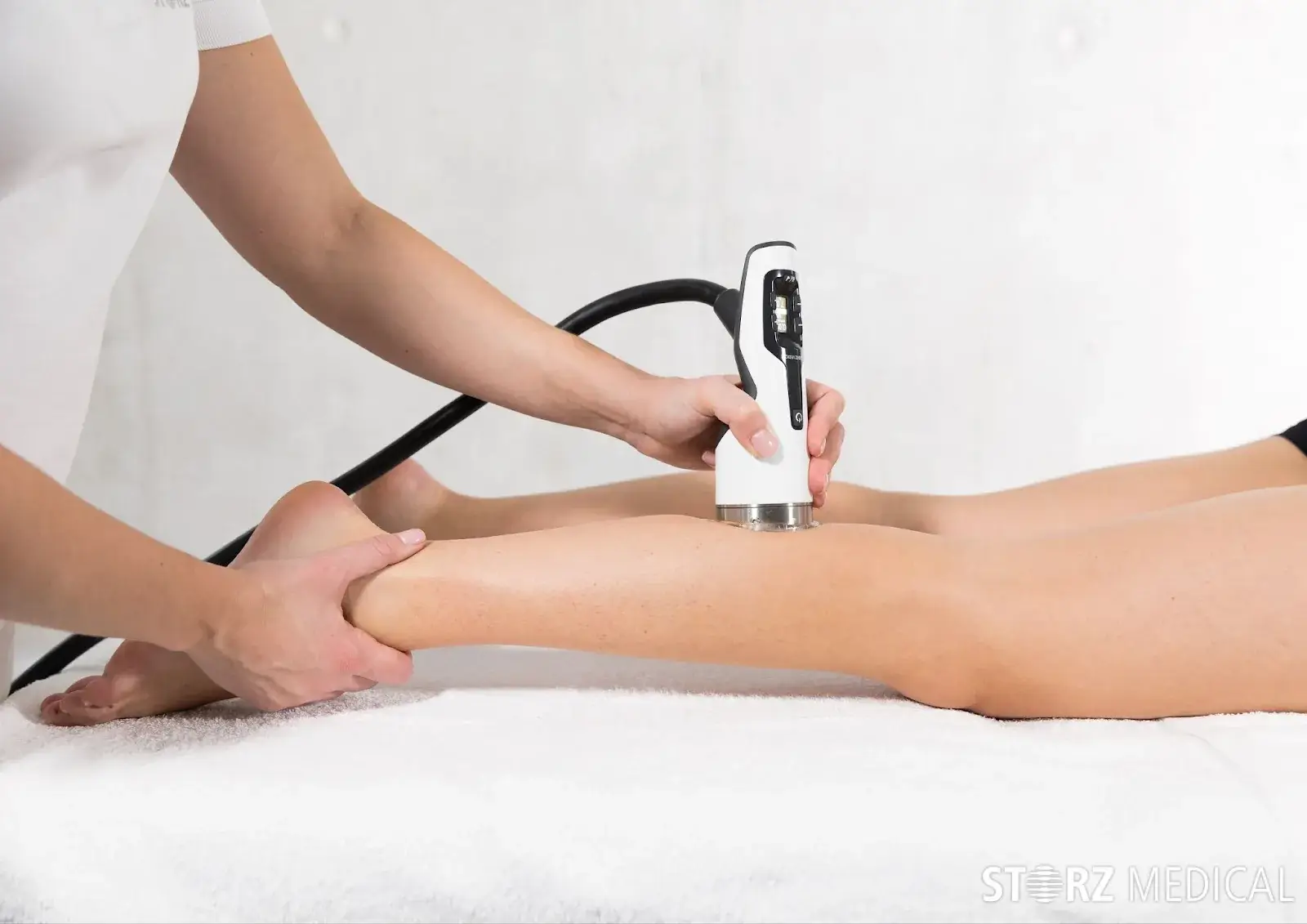
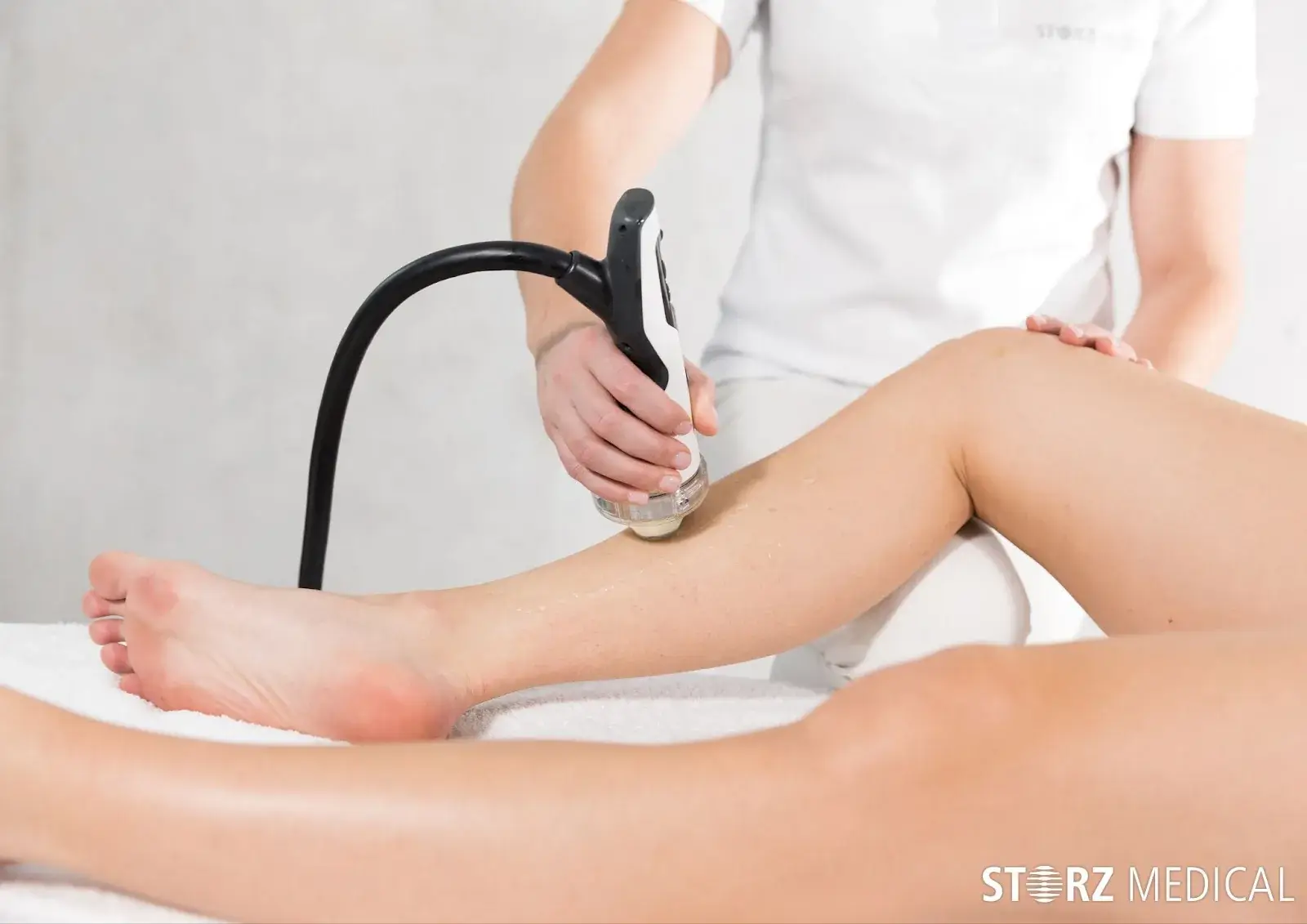
A non-invasive treatment stimulating healing, with good evidence for chronic Plantar Fasciitis and Achilles Tendinopathy. It usually requires 3-6 sessions and can cause temporary discomfort. It aims for a “faster” recovery by promoting healing and is considered a “proper” fix.
Class IV Laser Therapy
Uses light to reduce pain/inflammation and accelerate cellular repair. Non-invasive and generally painless, often requiring multiple sessions. It can contribute to “faster” healing, supporting a “proper” recovery.
Corticosteroid Injections
These can offer very “fast” pain relief, but it’s often temporary as it doesn’t fix the cause. Risks include tissue weakening or rupture, especially if you return to activity too soon. Generally not a “proper” long-term solution for active individuals due to these risks.
Surgery
A last resort for severe, persistent pain unresponsive to extensive conservative treatment. It’s invasive, with a long recovery and no guarantee of success. Not “fast,” and only “proper” after all other suitable options are exhausted.
Getting to the Root of It: Why a Specialist Biomechanical Assessment is Key to a “Proper” Fix
To truly fix your heel pain “properly,” understanding why it’s happening is non-negotiable. A thorough Biomechanical Assessment is much more than a quick look. It involves a deep dive into your history, how you move (often including gait analysis), your foot structure, muscle function, and how these all connect to your pain and activity levels. The aim is to uncover the real reasons behind your pain, allowing for a truly personalised treatment plan. Wondering if a biomechanical assessment could help you? Find out more about our Biomechanical / MSK Assessment process.
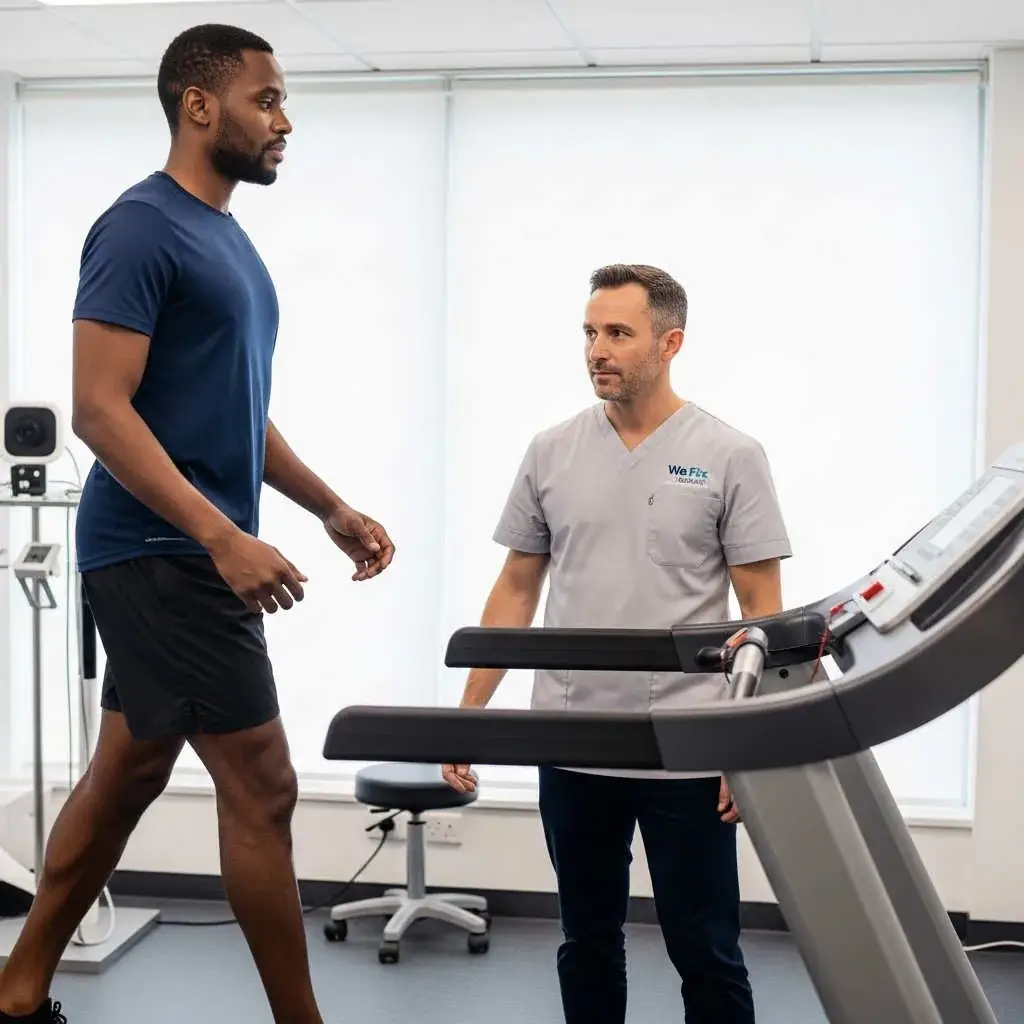
This detailed understanding is fundamental to the Personalised Care we provide at We Fix Feet, helping you get back on track properly and understand how to prevent future issues.
How Our Specialist Podiatry Clinic Delivers Fast and Proper Heel Pain Recovery
At We Fix Feet, our philosophy is “Treat, Move, Improve.” It’s about restoring your movement correctly and enhancing your ability to do what you love, sustainably. For persistent heel pain in active individuals, we often find a comprehensive, planned approach in our ‘Package of Care’ delivers the best results. This often combines detailed assessments, advanced treatments like Shockwave Therapy or Class 4 Laser Therapy (reflecting our commitment to Innovation), and personalised rehabilitation. This structured approach aims for a clear, and often faster, path to a lasting recovery.
Our HCPC-registered podiatrists bring over 35 years of collective experience. We focus on getting to the “why” behind your pain with our Biomechanical Assessments. Then, advanced therapies target tissue healing, while personalised rehabilitation gets you moving better and reduces recurrence risk. We had a patient, an avid tennis player, who was increasingly frustrated by Achilles pain limiting their court time. After a comprehensive assessment identified specific loading issues, a course of Shockwave therapy alongside tailored exercises helped them return to playing full matches without that familiar ache.

Important Considerations:
Our comprehensive packages are an investment in a real, lasting solution, so they may have a higher initial cost than isolated treatments. Success also requires your commitment to the rehabilitation plan. Properly fixing long-standing issues takes time. If your main concern is solely the lowest cost for a very minor, transient issue, or if you’re only seeking basic routine care that the NHS might provide (albeit with potential waiting times), our specialist, advanced approach might be more than you initially need. However, for persistent pain impacting your active life where simpler measures have failed, we believe our focused expertise offers significant value.
Avoiding Dead Ends: Red Flags to Watch Out For in Heel Pain Treatments
Knowing what to avoid can save time and frustration. Be wary of promises of an instant “cure” without a thorough assessment to find out why you have pain. Also, question approaches relying only on passive treatments that mask pain without addressing the root cause. If a plan involves prolonged, complete rest without a clear strategy for returning to your sport, or if advice feels generic, ask more questions.
Your Path Forward: Making an Informed Choice for Your Recovery
Ultimately, getting your heel pain fixed both quickly and properly involves understanding that crucial balance, knowing what to look for in a treatment, and making an informed choice aligned with your specific goals. An accurate diagnosis of the root cause is non-negotiable for any “proper” fix. Every option has its place; understanding these is key.
If your priority is a swift and lasting return to your active life, free from persistent pain, a specialist, comprehensive approach often provides the most effective and efficient path. Consider your heel pain: What are your non-negotiable activity goals? What have you tried before, and what were the outcomes? Answering these questions can help clarify what the “best” solution looks like for you. If you decide to consult a specialist, go prepared with this information – you are an active partner in your recovery.
Ready to Take the Next Step Towards Pain-Free Movement?
At We Fix Feet, our expert podiatrists are dedicated to understanding your unique situation and providing personalised care to help you treat your pain, improve your movement, and get back to living life to the full. We’ve helped thousands of people just like you overcome frustrating foot and lower limb conditions.
Your Journey to Recovery Starts Here:
The best way to understand how we can help is to have a conversation. Let’s explore your symptoms and discuss the most effective treatment options for you.
Prefer to talk first? Call us directly on 0115 9328832 to speak with a member of our friendly team.
Want to learn more about our approach first? Discover Our Commitment to You on our About Us page or explore Our Advanced Treatment Options.