
If you’re a dedicated runner, that sharp heel pain from plantar fasciitis is likely making you question every stride and search for answers on whether you can keep going.
Key Takeaways:
- Running with unmanaged plantar fasciitis risks worsening the injury, causing compensatory problems, and leading to chronic pain.
- Modified running may be possible in mild cases with professional guidance, involving significant training adjustments and dedicated rehab.
- Clear “red flags” like severe, worsening, or neurological pain mean stopping running is essential.
- An accurate diagnosis from a specialist, often including a biomechanical assessment, is vital for a personalised, evidence-based recovery plan.
- Advanced treatments like Shockwave Therapy, combined with personalised rehabilitation, show research promise for runners.
If you’re a runner battling that sharp, stabbing heel pain from plantar fasciitis, the urgent question “Can I keep running?” is likely dominating your thoughts. You’re probably tired of conflicting advice and want to know what the actual scientific research says, not just opinions.
You’re in the right place. This article will honestly explore what current research reveals about running with active plantar fasciitis. We’ll examine the risks, crucial factors, scientific perspectives on modifying your running, and evidence-based strategies to manage the condition effectively, all aimed at helping you return to running safely and achieve your goals.
Our aim here isn’t to give you a simple ‘yes’ or ‘no’, because the research itself is nuanced. Instead, we want to empower you with a balanced understanding – the good, the bad, and the complex – so you can make informed decisions. We believe in being completely open about all aspects, as that’s the only way to truly build trust.
We’re going to break down:
- A quick, runner-focused look at plantar fasciitis.
- Research insights into the risks and realities of running with this condition.
- Key factors research indicates influence your ability to run.
- Research-supported management strategies for runners, including evidence-based treatments we offer at We Fix Feet.
- The genuine dangers research highlights if you run without proper care.
- Clear, evidence-based signs for when running is not advisable and specialist help is needed.
Understanding Plantar Fasciitis in Runners
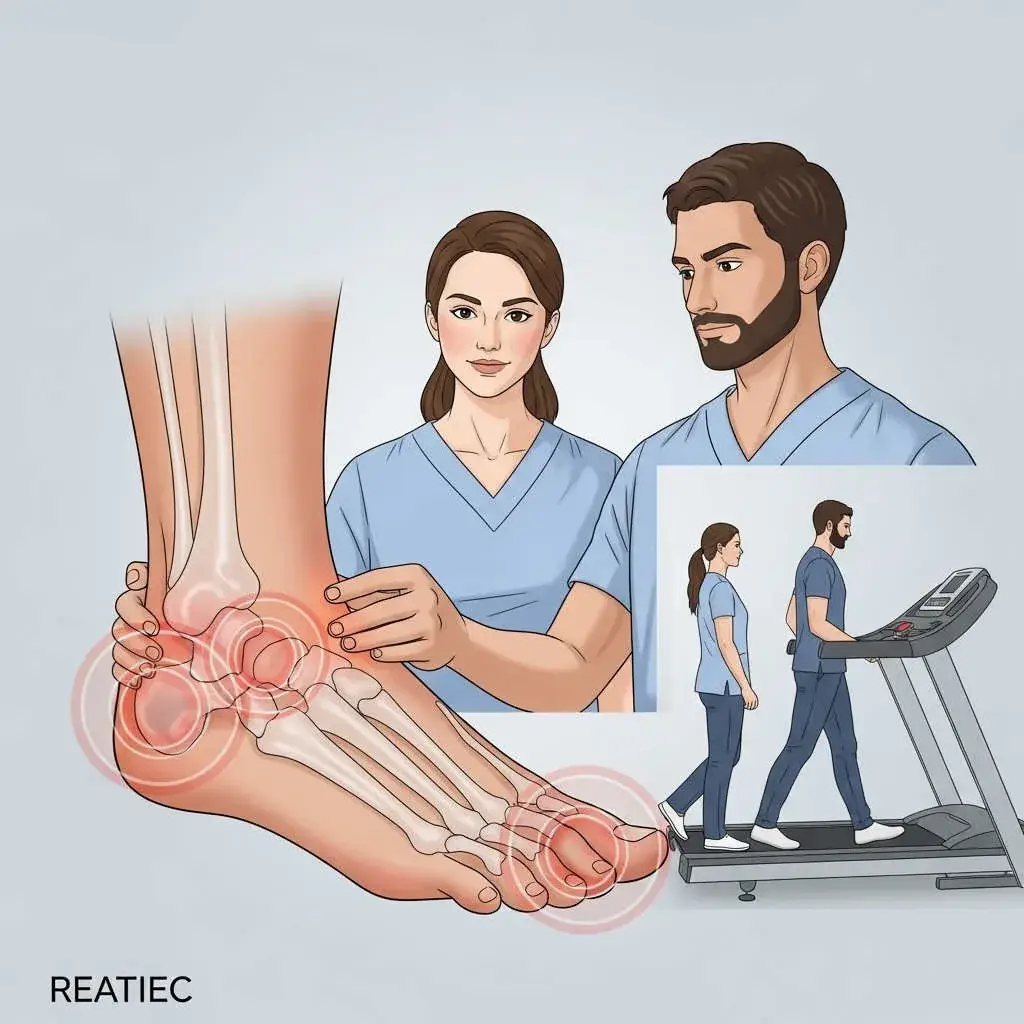
Before we dive deep, let’s quickly recap what plantar fasciitis means for a runner. It’s one of the most common causes of heel pain, accounting for approximately 10-15% of foot injuries in sport. For runners, the plantar fascia – that thick band of tissue under your foot connecting your heel to your toes – is crucial.
It helps absorb significant impact forces, often two to three times your body weight with each stride, and plays a key role in maintaining your foot’s arch. When this tissue is repeatedly stressed, common for those who pound the pavements, it can lead to irritation, micro-tears, and that all-too-familiar pain.
You likely know the signs: that sharp pain with your first steps in the morning, pain after resting, or pain that builds as you run. Understanding why these occur, according to biomechanical research, is the first step to effective management.
The Core Question: Can I Actually Keep Running?
This is the question every runner with plantar fasciitis is asking. Many dedicated runners try to ‘run through the pain’.
However, research suggests this approach can often lead to the condition worsening. Continuing to load an already irritated plantar fascia can exacerbate micro-tears and may lead to a more degenerative state known as ‘fasciosis’, rather than simple inflammation. This, in turn, often means a much longer and more frustrating road back to pain-free running.
The evidence indicates that whether you can continue running depends heavily on factors like pain severity and your willingness to make significant changes. For mild cases, modified running might be an option, but this isn’t a straightforward ‘yes’ for everyone.
The Uncomfortable Truth: Risks of Running with Unmanaged Plantar Fasciitis
To make the best decision, it’s vital to understand the potential downsides research highlights. We believe in giving you the full picture.
Worsening Your Injury and Prolonging Recovery
Research clearly shows that continuing to load an already irritated plantar fascia can worsen micro-tears, potentially leading to a more degenerative state (fasciosis). This often means a much longer road back to pain-free running.
‘Toughing it out’ could be counterproductive. Think of ‘Mark,’ a dedicated club runner in his late 30s we worked with, aiming for a sub-3-hour marathon, who found his heel pain escalating. He initially tried just reducing mileage, but the pain persisted on longer runs.
Our clinical experience, backed by research, shows this often leads to a more stubborn condition. With our team’s 35 years of collective experience treating runners, and having attended to over 300 MSK patients last year alone, this is a familiar story.
Developing Compensatory Injuries
When you run with pain, your body naturally tries to compensate. Biomechanical research shows this can alter your gait, putting new, abnormal stress on your other foot, ankles, knees, hips, or even your back. So, while managing one injury, you could inadvertently cause another.
Consider ‘Sarah,’ who tried to ‘run through’ her heel pain for months. She started developing an ache in her opposite knee – a classic sign her body was compensating.
The Condition Becoming Chronic
If plantar fasciitis isn’t managed properly and is continually aggravated by running, research indicates it’s more likely to become a chronic, or ‘recalcitrant’, condition – much tougher to resolve.
Approximately 80% of patients improve within 12 months with proper treatment, but persistent loading can impede this.
Plantar Fascia Rupture (Less Common)
Though rare, research mentions that in severe cases, a partial or complete rupture of the plantar fascia can occur, requiring significantly longer recovery.
Finding a Possible Path: Research-Supported Modifications
If your symptoms are mild and you’re working with a professional, research offers potential avenues for continuing to run, with significant adjustments. However, this isn’t suitable for everyone.
Modifying Training Load and Environment
Reducing mileage, pace, and frequency is common advice, as plantar fasciitis is often an overuse injury. Research suggests an increase in running pace, not just distance, may be a factor.
Running on softer surfaces can reduce impact, though it’s not a simple fix; one study found issues with tartan tracks for some.
Adjusting Running Form (Gait Retraining)
Increasing cadence (step rate) by 5-10% may alter lower limb loading. Changing foot strike (e.g., to forefoot) is complex; research critically notes this can sometimes increase stress on the plantar fascia and should only be attempted with expert guidance.
Reducing overstride is another area explored in research. Gait retraining is multifactorial and best undertaken with professional guidance.
Footwear and Orthotics
Research consistently recommends well-fitting shoes with good cushioning and arch support. Features like a rigid midsole, a moderate heel drop (0.5-4cm), and a rocker design are highlighted.
Minimalist shoes are generally not advised for active plantar fasciitis, though some nuanced research suggests a potential role in specific, guided rehabilitation scenarios.
Regarding orthotics, research (like the Cochrane Review or JOSPT guidelines) often concludes they are best used as part of a comprehensive treatment plan, not an isolated fix. This is why our Biomechanical Assessments at We Fix Feet thoroughly examine footwear and overall foot function.

Adjunctive Therapies
Plantar fascia-specific and calf stretches are strongly supported by research for pain and function improvement. Emerging evidence also supports high-load strength training for the plantar fascia.
Techniques like Low-Dye taping can offer short-term relief, according to research. These often form key parts of the personalised Rehabilitation Programmes we design at We Fix Feet, reflecting our “Treat, Move, Improve” philosophy.
Definite Red Lights: When Research Says You Must Stop Running
There are times when research and responsible clinical practice strongly indicate that continuing to run is detrimental. Being honest about these ‘red light’ scenarios is crucial.
- Persistent or Worsening Pain: If pain starts significantly, continues, or worsens during/after your run, research says stop.
- Severe Pain Levels: If pain is consistently moderate to severe (e.g., above 3-4/10, interfering with your run, or not improving), running is not advised.
- No Improvement with Rest/Initial Care: If symptoms don’t ease after 1-2 weeks of rest and basic self-care (as per NHS advice ), continued running is likely harmful.
- Symptoms of a Plantar Fascia Rupture: Sudden, sharp pain, bruising, inability to bear weight.
- Presence of ‘Red Flags’:
- Pain at night unrelated to ‘start-up’ pain (especially with fever/weight loss).
- Burning pain, numbness, or tingling.
- Significant swelling, redness, or local warmth.
- Inability to bear weight due to pain.
- Pain progressively worsening despite rest.
- History of recent trauma causing the pain.
Beyond Self-Management: The Role of Professional Diagnosis
If you’re experiencing ‘Red Lights’, or pain isn’t improving after 2 weeks of sensible self-care, consult a specialist. Research consistently shows an accurate diagnosis is key.
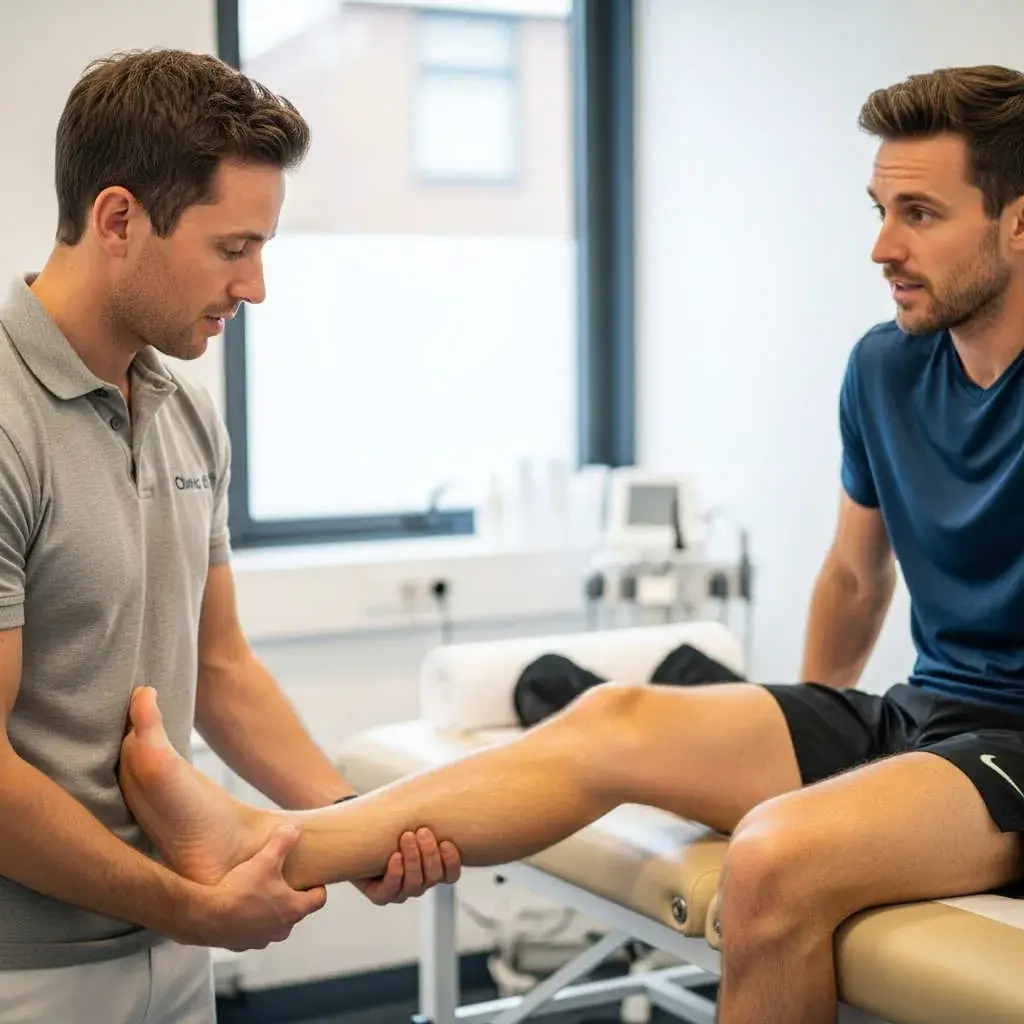
A specialist Biomechanical Assessment, like we offer at We Fix Feet, involves research-backed clinical tests (Windlass test, range of motion checks) to find the root cause of your plantar fasciitis. This allows for a tailored plan, as generic advice often fails runners.
Our “Treat, Move, Improve” philosophy guided ‘David,’ a runner frustrated by recurring pain. His biomechanical assessment identified underlying issues, leading to tailored orthotics and a progressive rehab plan.
Research-supported advanced treatments we offer include:
- Shockwave Therapy (ESWT): Research and NICE (UK) guidance support its use for chronic plantar fasciitis in athletes. It can cause temporary discomfort but is often key for stubborn pain. A typical course is 3-6 sessions. We use focused and radial machines.
- Personalised Rehabilitation Programmes: Research strongly supports individualised rehab with specific stretching, strengthening (like high-load protocols), and gradual return to activity.
This comprehensive approach, leveraging our team’s 35 years of collective experience, contrasts with generic options.
The Long Road Back: Prognosis and Return-to-Running Protocols
With appropriate conservative treatment, 80-90% of plantar fasciitis cases resolve within 6-12 months. Continued running can impact this. Recurrence is possible if underlying causes (training errors, biomechanics, footwear) aren’t addressed.
If cleared to return, research emphasises a slow, progressive approach:
- Achieve a pain-free baseline in daily activities.
- Use low-impact cross-training during the initial no-running phase.
- Start with very short walk/run intervals.
- Gradually increase running duration, then frequency, then intensity, monitoring for any pain increase (the ’24-hour rule’).
This careful, staged return is central to how we guide runners.
Where the Science is Still Evolving
It’s important to know that research in some areas, like the ‘optimal’ level of modified running or the definitive ‘best’ shoe for every runner, is still ongoing.
Your Path Forward: Informed Decisions for Runners
So, what does all this research mean for you? Running with plantar fasciitis might be possible in some mild cases with significant, professionally guided modifications. However, there are very real risks if you ignore pain, and clear situations where stopping is non-negotiable.
Consider these actionable steps:
- Listen to Your Body: Pain is a warning signal – don’t ignore it.
- Prioritise an Accurate Diagnosis: Understand your specific situation.
- If Modifying, Be Meticulous: Strictly follow professional advice.
- Embrace a Gradual Return: If you’ve stopped, any return must be slow and pain-monitored.
- Address the Root Causes: Work with a professional to tackle underlying factors.
We hope this deep dive into research has clarified the complexities.
By arming you with honest, evidence-based information, you’re better equipped. So, as you consider your own situation, ask yourself: How severe is my pain, truly?
Am I prepared to make significant modifications and stick to a rehabilitation plan? Or is it time to get a specialist opinion to ensure I’m not risking a longer lay-off? Being honest with yourself now is key to getting back to the running you love, for good.
At We Fix Feet, we’re committed to being your trusted partner in health. Our ultimate aim is to help you “Treat, Move, and Improve,” enabling you to return to the activities you love, safely and effectively.
Ready to Take the Next Step Towards Pain-Free Movement?
At We Fix Feet, our expert Podiatrists and Clinicians are dedicated to understanding your unique situation and providing personalised care to help you treat your pain, improve your movement, and get back to living life to the full.
We’ve helped thousands of people just like you overcome frustrating foot and lower limb conditions.
Your Journey to Recovery Starts Here:
The best way to understand how we can help is to have a conversation. Let’s explore your symptoms and discuss the most effective treatment options for you.
If you’re a runner in Derbyshire or Nottinghamshire struggling with plantar fasciitis and you want a clear, research-informed plan to get back to your personal bests, why not Book Your Consultation?
We’re here to help you understand exactly what’s going on and create a strategy that helps you Treat, Move, and Improve.
Prefer to talk first? Call us directly on 0115 9328832 to speak with a member of our friendly team.