If you’re an active individual battling persistent sports-related pain, you’ve probably asked yourself this exact question. Perhaps that nagging heel pain is stopping you from hitting your running goals, or maybe you’re worried that custom orthotics are just another expensive treatment that won’t deliver the results you desperately need. You’re not alone in feeling this way.
Here’s what we’ll cover to help you understand if custom orthotics are the right next step for you:
- Identifying when your sports pain truly warrants specialist assessment for orthotics.
- Understanding the crucial difference between genuine custom orthotics and other types of insoles for sports.
- Recognising potential downsides – both from not using orthotics when needed, and from using them unnecessarily.
- Crucially, when custom orthotics are not the answer for sports-related issues.
The Challenge: Getting Back to Your Best, Without Wasted Effort
We get it. That ongoing sports-related pain – perhaps it’s plantar fasciitis dictating your morning, a sharp Achilles pain cutting your run short, or that deep foot ache after a game of football – isn’t just a physical frustration. It’s holding you back from the activities you love, and you might be tired of trying solutions that haven’t worked, worrying about the injury worsening, or wasting more time and money.
At We Fix Feet, our “35+ years of collective experience” underpins our commitment to honest, clear information. Our “patient-centric approach” means we’re here to educate you, not just sell you something. Our goal is to help you Treat, Move, Improve.
Is My Sports-Related Pain Actually Serious Enough for Custom Orthotics?
When does that ache cross the line from a temporary niggle to something needing expert attention and potentially custom orthotics? It’s a fair question.
If you’ve just picked up a very mild pain after a one-off unusual activity, and it’s already fading with a bit of rest and common sense, then perhaps you are just being cautious.
However, if your pain has persisted for several weeks despite these basic steps, if it’s severe enough to make you alter your running gait or limp, or if it’s consistently preventing you from participating in your sport – whether that’s your regular 5-a-side football match or training for that 10k – then it’s not something to ignore. That fear of wasting time and money on ineffective treatments, or of an injury becoming chronic, is completely understandable.
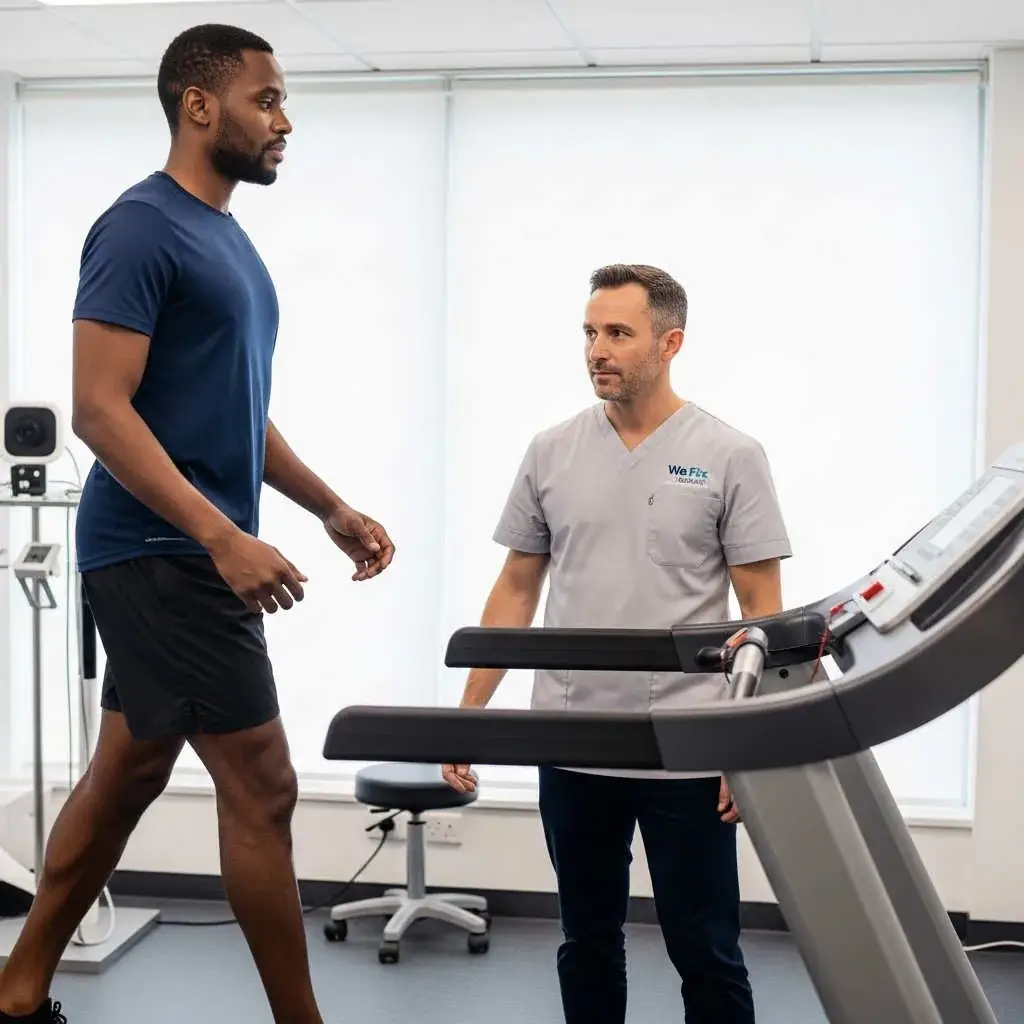
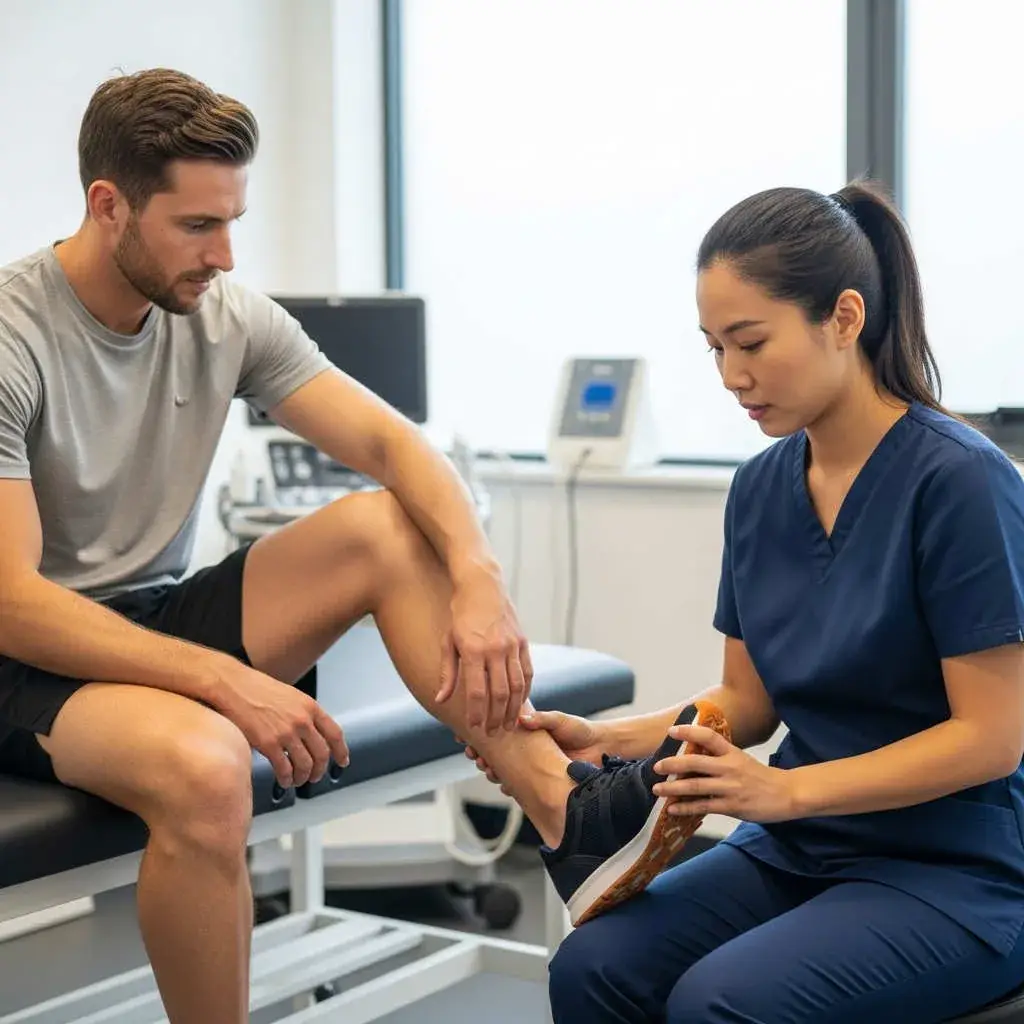
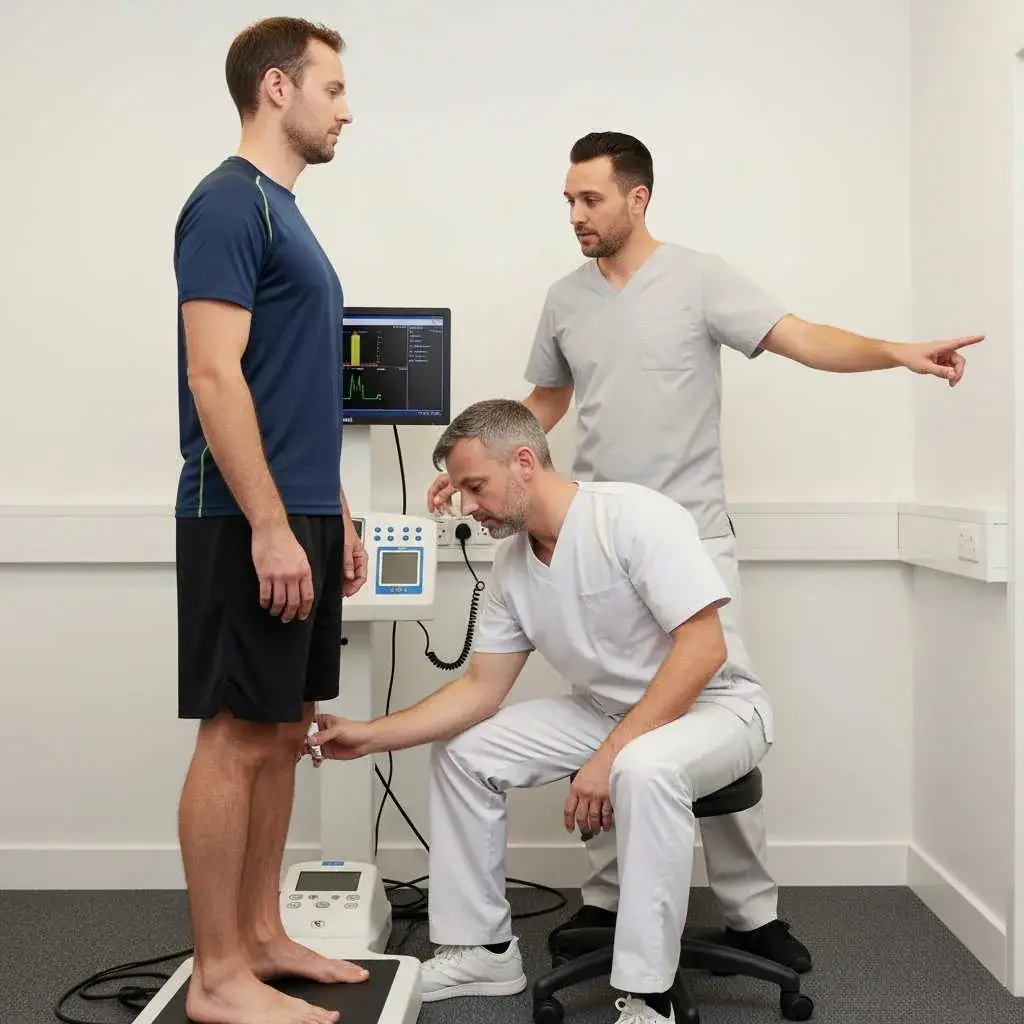
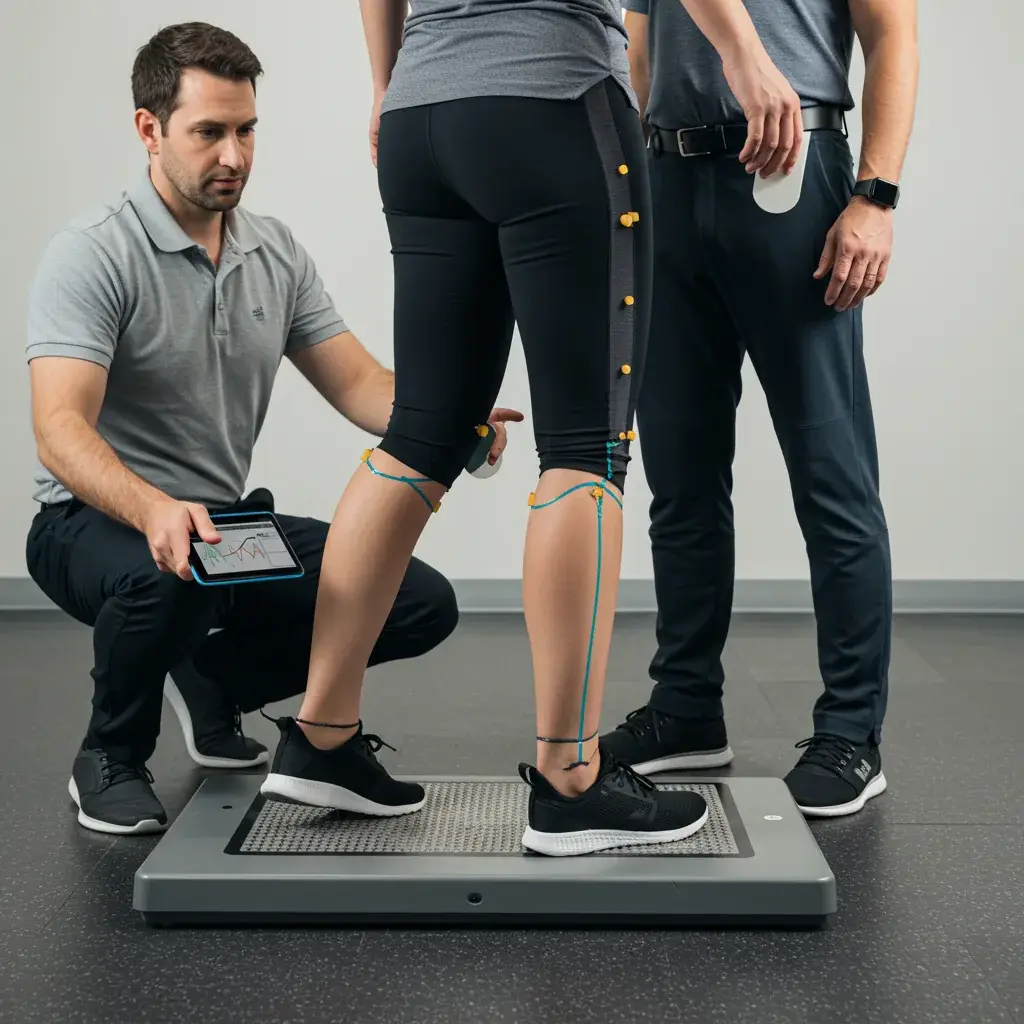
This is where a thorough Biomechanical Assessment becomes invaluable. It’s the cornerstone of what we do for sports injuries at We Fix Feet. Our experienced podiatrists, drawing on over 35 years of collective clinical expertise, conduct an in-depth analysis. We look at your posture, how you walk and run, assess muscle strength, joint range of motion, and your specific movement patterns related to your sport.
This detailed assessment is crucial because it helps us diagnose the root cause of your pain. Sometimes, the issue might be resolved with specific strengthening exercises, adjustments to your training, or different footwear.
But if we identify a significant underlying biomechanical issue – for example, excessive pronation (where your foot rolls inward too much or at the wrong time) that’s directly stressing the tissues causing your pain – then custom orthotics, such as our precision-made “3D printed insoles“, become a necessary and targeted intervention.
Think of “Alex,” a keen runner in his late 30s who came to us. He’d been plagued by recurring shin splints and had tried various off-the-shelf arch supports with no real success, feeling immense frustration. His biomechanical assessment here at We Fix Feet revealed that he significantly overpronated, especially as he pushed off during his running stride.
This specific mechanical flaw was placing excessive rotational stress on his shins. For Alex, custom orthotics, meticulously designed to control that specific overpronation and support his arch correctly, were indeed necessary. Combined with a tailored rehabilitation programme, he was able to return to running pain-free and, importantly, prevent the shin splints from returning. This really showed how a detailed assessment identifies if orthotics are a key part of getting you back on track.
Of course, not all foot pain requires custom orthotics. If that same assessment showed that the primary issue was, for example, muscular weakness around the hips altering running mechanics, then the focus of treatment would be physiotherapy and strengthening, not necessarily insoles. Our commitment is to providing only necessary and effective treatments.
When Are Custom Orthotics the Necessary Next Step After Other Treatments Fail?
Many active people we meet have, like “Alex,” already been down a few roads trying to sort out their pain. Perhaps you’ve diligently followed general exercise advice, rested, tried different shoes, or even had some physiotherapy sessions, but that sports injury – that plantar fasciitis or Achilles pain – just keeps coming back or hasn’t significantly improved.
Typically, if you’ve engaged in appropriate conservative care for a condition like plantar fasciitis or Achilles tendinopathy for a period of, say, 6-12 weeks without significant, lasting improvement, then it’s time to consider that an underlying biomechanical factor might be preventing your recovery. This is often when custom orthotics become a necessary next step.
Custom orthotics offer a level of targeted mechanical correction that general treatments or off-the-shelf insoles simply can’t provide. If your sporting injury is repeatedly occurring or not healing because of the way your foot functions and interacts with the ground, then an orthotic designed specifically to address your unique biomechanical fault can be the key to breaking that cycle.
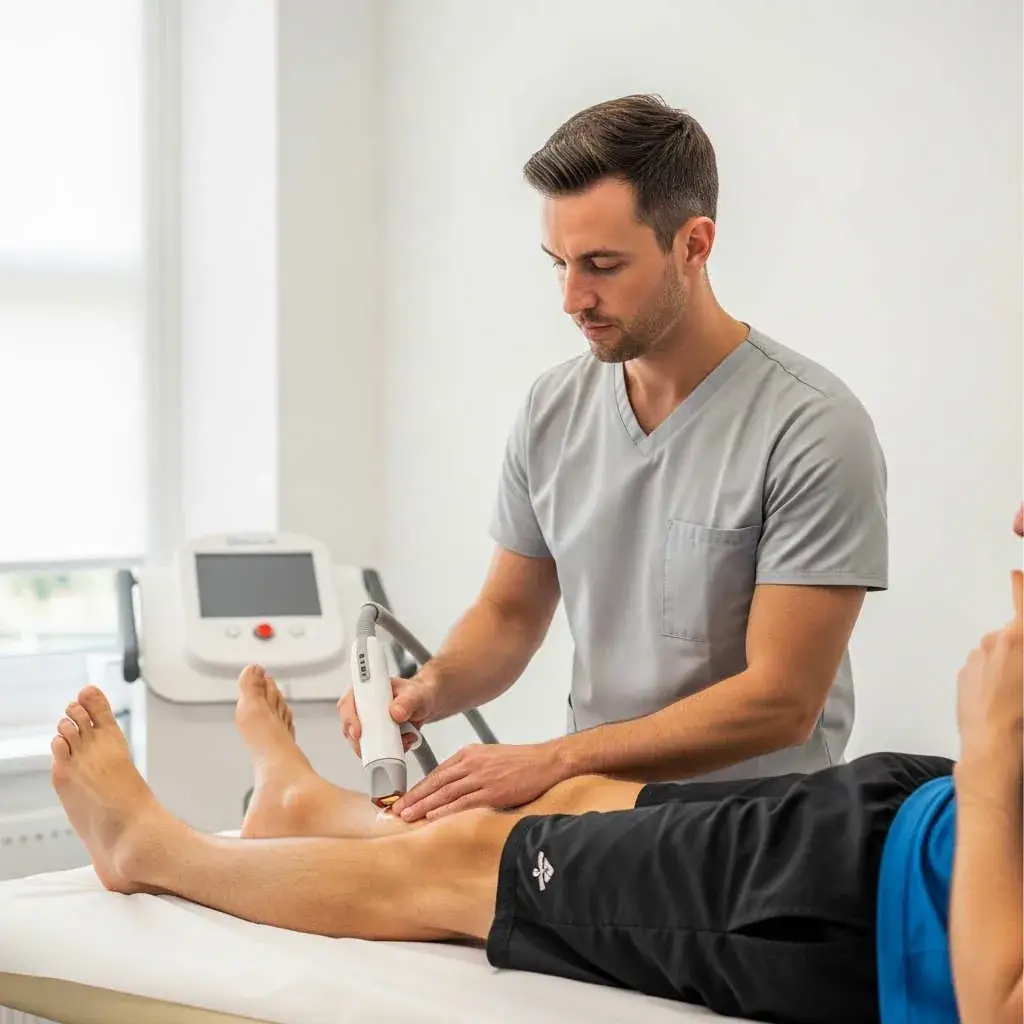
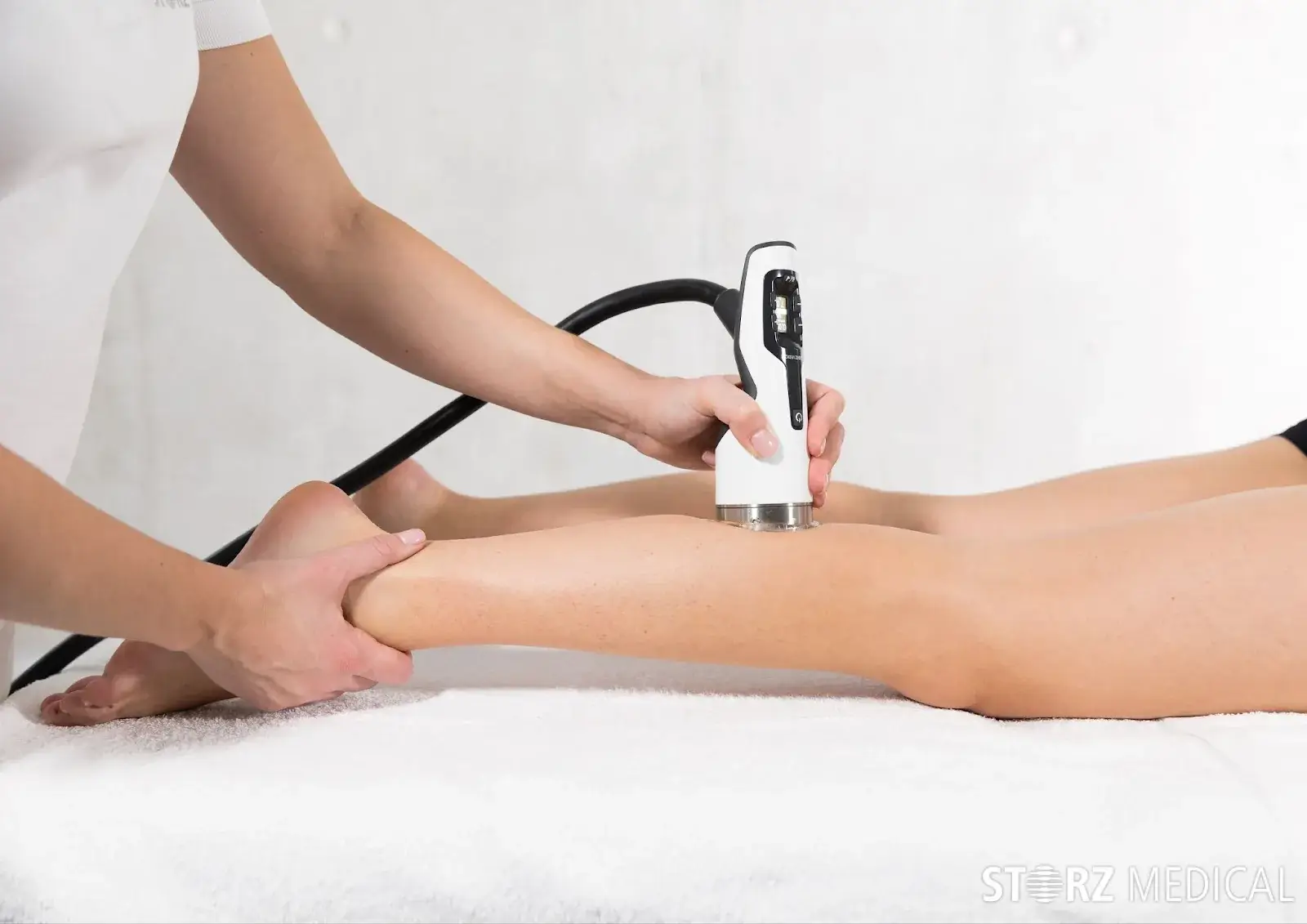
At We Fix Feet, our approach to “MSK / Sports Injury Rehabilitation” often incorporates custom orthotics as part of a comprehensive “package of care”. This isn’t just about issuing an insole; it’s about integrating it into a broader plan that might include specific advanced therapies like Shockwave or Class 4 Laser treatment, targeted exercises, and expert advice, all aimed at achieving a permanent solution, not just a temporary fix. This reflects our Treat, Move, Improve philosophy.
Many active individuals tell us, ‘I’ve tried a few things, but nothing’s really worked. I need someone who can tell me exactly what’s wrong and get me back on track quickly.’ If this sounds familiar, and if well-intentioned general advice or standard treatments haven’t resolved your sports injury, then a detailed biomechanical assessment to explore the need for custom orthotics is a logical and often essential next step. It’s about finding an effective, lasting solution when others fall short, guided by expert assessment.
Custom Orthotics for Sport: Effective Solution or Just a Crutch?
This is a really important question, and one we’re always happy to discuss. There’s a common worry that custom orthotics might just be a passive support, a “crutch” that doesn’t address the underlying issue, or that claims about performance enhancement are overblown.
Let’s be upfront: when correctly prescribed by an experienced podiatrist following a thorough assessment, custom orthotics for sport are not designed to make your feet “lazy” or weaker. Instead, they aim to optimise your foot and lower limb function, improving alignment and reducing excessive or abnormal stress on injured or vulnerable tissues.
By correcting underlying biomechanical issues – perhaps controlling excessive pronation, supporting an unstable arch, or improving pressure distribution – they can help your lower limbs function more efficiently. This improved mechanical efficiency can sometimes translate to enhanced comfort during sport, and more importantly, a significant reduction in the risk of injury recurrence.
This aligns perfectly with our Treat, Move, Improve ethos: we aim to treat the current issue, help you move more effectively (which custom orthotics can facilitate), and thereby improve your overall function and ability to enjoy your sport sustainably. Our use of “advanced technology,” such as 3D scanning to create highly precise “3D printed insoles,” ensures these devices are tailored as accurately as possible to your individual needs.
Now, regarding performance enhancement, it’s nuanced. If a biomechanical inefficiency is causing energy leakage or forcing your body to work harder to control movement, then correcting this with an orthotic could lead to improved comfort and efficiency, which might indirectly contribute to better performance or endurance.
However, custom orthotics are not a magic bullet that will suddenly make you run faster if factors like your cardiovascular fitness, strength, or specific sports technique are the main limitations. They are a tool to address biomechanical factors that might be contributing to injury or hindering efficient movement.
The “crutch” concern often stems from a misunderstanding of how orthotics should be used, especially in a sporting context. At We Fix Feet, we nearly always prescribe custom orthotics as part of a comprehensive rehabilitation plan.
They can create a “window of opportunity” by reducing pain and abnormal stress, which then allows you to engage more effectively in the crucial strengthening exercises and movement retraining that build your body’s own resilience and support structures. So, rather than causing weakness, they are often facilitating the very rehabilitation that prevents it and makes you stronger in the long run.
Custom vs. Off-the-Shelf Insoles for Sport: What’s the Real Difference?
When you’re looking for solutions for foot pain, you’ll see lots of different insoles and arch supports available. It’s vital to understand the distinction, especially if you’re an active individual needing a specific solution.
Off-the-Shelf (OTS)/Pre-fabricated Insoles
You can pick these up in pharmacies, sports shops, or online. They are mass-produced and bought from sports shops or online, offering generic cushioning and some basic arch support based on standard shoe sizes.
While they might provide temporary relief for very mild, non-specific foot fatigue, or as a very initial trial for something like mild heel pain, they are not designed to correct individual biomechanical faults or address the specific demands of your sport. For significant or persistent sports-related pain linked to your foot mechanics, OTS insoles are unlikely to be a definitive long-term solution.
“Custom-Fitted” or Heat-Mouldable Insoles
These are a step up from basic OTS insoles. Often found in specialist sports retailers, they typically involve a pre-fabricated shell that is heated and then moulded to the general contours of your foot while you stand on it.
This gives a closer fit than a generic OTS insole. They might offer a bit more support and comfort for general sporting activity.
However, the degree of true biomechanical correction is usually limited by the design of the original shell and the moulding process, which isn’t based on a detailed clinical biomechanical assessment or capturing your foot in a specifically corrected therapeutic position.
Truly Custom Orthotics (The We Fix Feet Standard)
This is a highly specialised medical intervention, prescribed and designed by an experienced podiatrist. It involves a meticulous clinical process:
- A Comprehensive Biomechanical Assessment by our expert podiatrists, analysing your structure, function, and movement during sport. This is non-negotiable and the absolute foundation.
- Precise 3D Digital Scanning of your feet, held in a clinically corrected position. This is fundamentally different from an impression taken with your foot simply resting.
- A Detailed Podiatric Prescription specifying materials, angles of correction, and features tailored to your unique biomechanics, injury, sport, and footwear.
- Advanced Manufacturing, often using 3D printing for unparalleled precision, as we utilise at We Fix Feet.
- Professional Fitting and Ongoing Review to ensure effectiveness and comfort, with any necessary adjustments made.
It is this comprehensive, individualised clinical process that defines truly custom orthotics. When indicated by a thorough assessment, they offer a level of precision and targeted support for sports that other types of insoles simply cannot match. This is an investment, true, reflecting the deep clinical expertise and bespoke manufacturing involved – but it’s this “personalised care” that can make the difference.
Potential Pitfalls: The “Other Side of the Coin”
For genuine transparency, it’s vital we discuss potential downsides – not just the benefits.
Problems from NOT Using Custom Orthotics When Genuinely Indicated
If our expert biomechanical assessment reveals a clear mechanical issue causing your persistent sports pain, and other treatments have failed, not using prescribed custom orthotics can lead to:
- Ongoing chronic pain.
- A frustrating cycle of recurrent injuries.
- Reduced sporting performance.
- Development of new compensatory problems in your knees, hips or back.
- More “wasted time and money” in the long run.
Problems from Using Custom Orthotics Unnecessarily or If Poorly Designed/Prescribed
Equally, issues arise if orthotics aren’t right for you:
- Unnecessary Expense: If simpler solutions like specific exercises or footwear changes would have sufficed. A proper assessment is key to avoid this.
- Discomfort or Poor Fit: If not expertly prescribed for your foot and sports shoes, they can cause rubbing or new pressure points.
- Unhelpful Biomechanical Changes: An inappropriate orthotic could “over-correct” or restrict normal, healthy motion.
- Not a Substitute for Active Rehab: They are a tool to enable effective rehabilitation; they don’t replace the need for strengthening exercises.
- Delaying Correct Treatment: If the root cause isn’t primarily biomechanical, focusing solely on orthotics could delay truly effective care.
Our thorough assessment process at We Fix Feet, which forms the basis of our “personalised care,” is designed to prevent these unnecessary applications. We only recommend custom orthotics when we are confident they are a genuinely beneficial and necessary part of the solution for your specific sports-related problem.
So, Who Are Custom Orthotics for Sport Specifically NOT For?
To be absolutely clear, custom orthotics are not the answer for every ache and pain an athlete experiences. They are likely not the necessary primary solution if:
- Your pain is very mild, very recent, and already resolving quickly with basic self-care like rest, ice, and checking your trainers.
- Your issue is solely due to completely worn-out or inappropriate footwear that new, suitable trainers would fix.
- Our comprehensive biomechanical assessment reveals no significant underlying mechanical fault that custom orthotics would meaningfully address for your specific sport. We don’t believe in “fixing” what isn’t causing the problem.
- Your pain is primarily caused by training errors (like doing too much too soon), significant deconditioning, or muscle weakness elsewhere in your body that needs addressing first through specific exercises.
- You’ve had an acute traumatic injury like a severe sprain or fracture, where initial RICE protocols, diagnosis, and then targeted physio are the priorities.
Our commitment at We Fix Feet is to our core values of “Integrity” and providing truly “Personalised Care.” This means if custom orthotics aren’t the right answer for you and your sporting goals, we’ll be upfront about that and guide you towards the most effective treatment path. It’s not about selling a product; it’s about genuinely solving your problem and helping you Treat, Move, Improve.
Your Path to Pain-Free Sport: Making an Informed Decision
So, how do you pull all this together to decide if custom orthotics are the right step for you? Here are the key indicators that genuinely suggest a need for them in a sporting context:
- You’re experiencing persistent or recurring pain linked to your sport that significantly impacts your ability to participate, and this pain hasn’t resolved with appropriate conservative measures over a sensible timeframe (often 6-12 weeks).
- A thorough biomechanical assessment by an experienced sports podiatrist identifies specific, significant underlying biomechanical faults directly contributing to your injury.
- The custom orthotics are prescribed and designed to address your unique biomechanics, specific condition, sporting demands, and athletic footwear.
- They are recommended as part of a comprehensive treatment plan, often including targeted rehabilitation and other appropriate therapies.
At We Fix Feet, our unwavering commitment is to provide you with an accurate diagnosis through our detailed “Biomechanical Assessment” and to deliver “personalised care.” We want to ensure any treatment helps you achieve your specific sporting goals.
If you’ve been nodding along, recognising your own frustrations – perhaps you’ve tried other things for weeks without lasting improvement, or your pain consistently stops you from enjoying your sport – then custom orthotics might be a vital part of your solution. Have you diligently tried appropriate footwear and specific exercises for at least 6-8 weeks without lasting success? Does your pain consistently stop you from participating in the sport you love, despite your best self-care efforts? If so, it’s time to investigate further.
Ready to Take the Next Step Towards Pain-Free Movement?
At We Fix Feet, our expert podiatrists are dedicated to understanding your unique situation and providing personalised care to help you treat your pain, improve your movement, and get back to living life to the full. We’ve helped thousands of people just like you overcome frustrating foot and lower limb conditions.
Your Journey to Recovery Starts Here:
The best way to understand how we can help is to have a conversation. If you’re an active individual in Derbyshire or Nottinghamshire experiencing persistent sports-related pain and these scenarios resonate with you, the most effective next step is a comprehensive Biomechanical Assessment to get to the root cause and determine the best solution for your specific situation.
Prefer to talk today? Call us directly on 0115 9328832 to speak with a member of our friendly team.
Want to learn more about our approach first? Discover Our Commitment to You on our About Us page or explore Our Advanced Treatment Options.