
Are you an active individual, perhaps a runner, footballer, golfer, or regular gym-goer, whose heel pain is not only stopping you from your beloved activities but also leaving you wondering if you’ll ever get back to your best?
Have you searched online for ‘how long heel pain takes to get better’ only to find vague answers or quick fixes that haven’t worked, making you ask what the real recovery timeline looks like?
This article will honestly and comprehensively break down the genuine factors that influence how long heel pain takes to get better. We’ll explain why there’s no one-size-fits-all answer and provide realistic insights into recovery for common heel pain conditions.
We will discuss common causes, critical factors affecting healing, what “getting better” truly means for returning to your activities, and when professional guidance is essential.
Key Takeaways:
- Heel pain recovery is highly variable; there’s no single timeline.
- The specific diagnosis (e.g., plantar fasciitis, Achilles tendinopathy), whether the issue is acute or chronic, its severity, and individual factors like age and overall health all play a significant role.
- Your commitment to a tailored rehabilitation plan, smart activity modification, and timely expert diagnosis are crucial factors you can influence.
- Underlying biomechanics and the type of treatment received (generic vs. specialist) also dramatically impact healing.
- “Getting better” for an active person means a pain-free return to specific sports and activities, not just the absence of pain at rest, and includes preventing recurrence.
- A thorough biomechanical assessment is key to understanding your specific situation and creating a predictable recovery roadmap.
The Core Problem: The Frustrating Uncertainty of Heel Pain Recovery
We get it – when heel pain strikes, the biggest question on your mind is often the hardest to answer: “How long will this actually take to go away?” We understand that when you’re driven and active, hearing “it depends” about recovery is the last thing you want, especially when you’re keen to get back to your sport.
For active professionals like you, this isn’t just about discomfort. It’s about missing out on the activities you love, the impact on your training schedule for that 10k or your next football match, and the frustration of not knowing when you’ll be back on your game.
This feeling of being in limbo, unable to plan, is something we see and understand every day.
Why a Crystal Ball for Heel Pain Recovery Doesn’t Exist
One of the first things to understand is that “heel pain” isn’t a single, specific diagnosis; it’s an umbrella term. What’s actually causing your pain – perhaps plantar fasciitis or an Achilles tendinopathy – is the first piece of the puzzle. These are common culprits in active people.
If your heel has been grumbling for months, or even years (a chronic issue), the healing path is different to a pain that’s just flared up (an acute injury). Chronic conditions often mean a longer recovery.
Severity also matters; a minor niggle typically resolves quicker than significant tissue damage. Your body’s unique healing capacity, general health, and age also influence recovery.
The Influencers: Key Factors That Speed Up or Slow Down Your Return to Action
Several key factors can significantly influence how quickly you can get back to your activities. It’s important to be wary of anyone offering a guaranteed fixed timeline for complex heel pain, as responsible practitioners understand the many variables at play.
Factors Largely Within Your Control
How Does Treatment Adherence Affect Heel Pain Recovery?
Your dedication to a prescribed rehab plan is a huge game-changer. Based on our 35+ years of collective experience, consistent effort with the right exercises and advice significantly shortens recovery. Sporadic attention can slow things down.
Activity Modification – Smart Training, Not Just Stopping
“Just rest” isn’t always the answer. Smart modifications – reducing load on injured tissue while maintaining fitness – are crucial. Pushing through significant pain will likely delay healing.
Timeliness of Seeking Expert Diagnosis and Treatment
An accurate diagnosis from a specialist early on prevents wasted time on ineffective self-treatment and sets you on the right path sooner.
How Do My Shoes Affect Heel Pain Recovery?
The shoes you wear daily and for sport play a bigger role than you might think. Unsupportive footwear can aggravate heel pain.
The Nature of the Beast – Factors Related to the Condition Itself
Will My Biomechanics Slow Down Heel Healing?
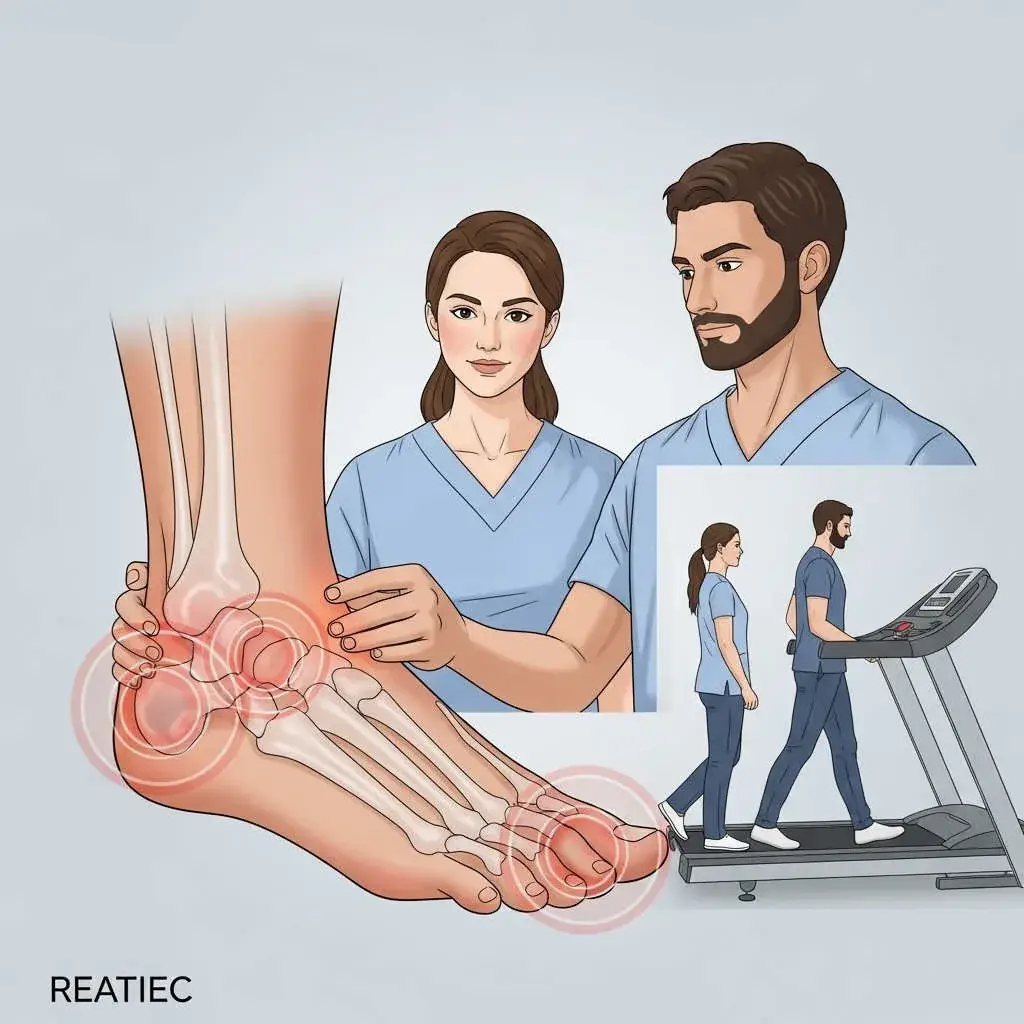
Your unique biomechanics – how your foot and lower limb move – can be a major factor. Issues like overpronation or tight calves can cause excessive strain. If these aren’t addressed, pain can persist.
The Type & Consistency of Treatment Received
Not all treatments are equal. Generic advice or approaches that only mask symptoms, rather than tackling the root biomechanical cause, often lead to the pain returning.
Opting for non-specialist care or superficial quick fixes for complex biomechanical issues can mean more time out of sport in the long run and potentially wasted money on ineffective interim steps.
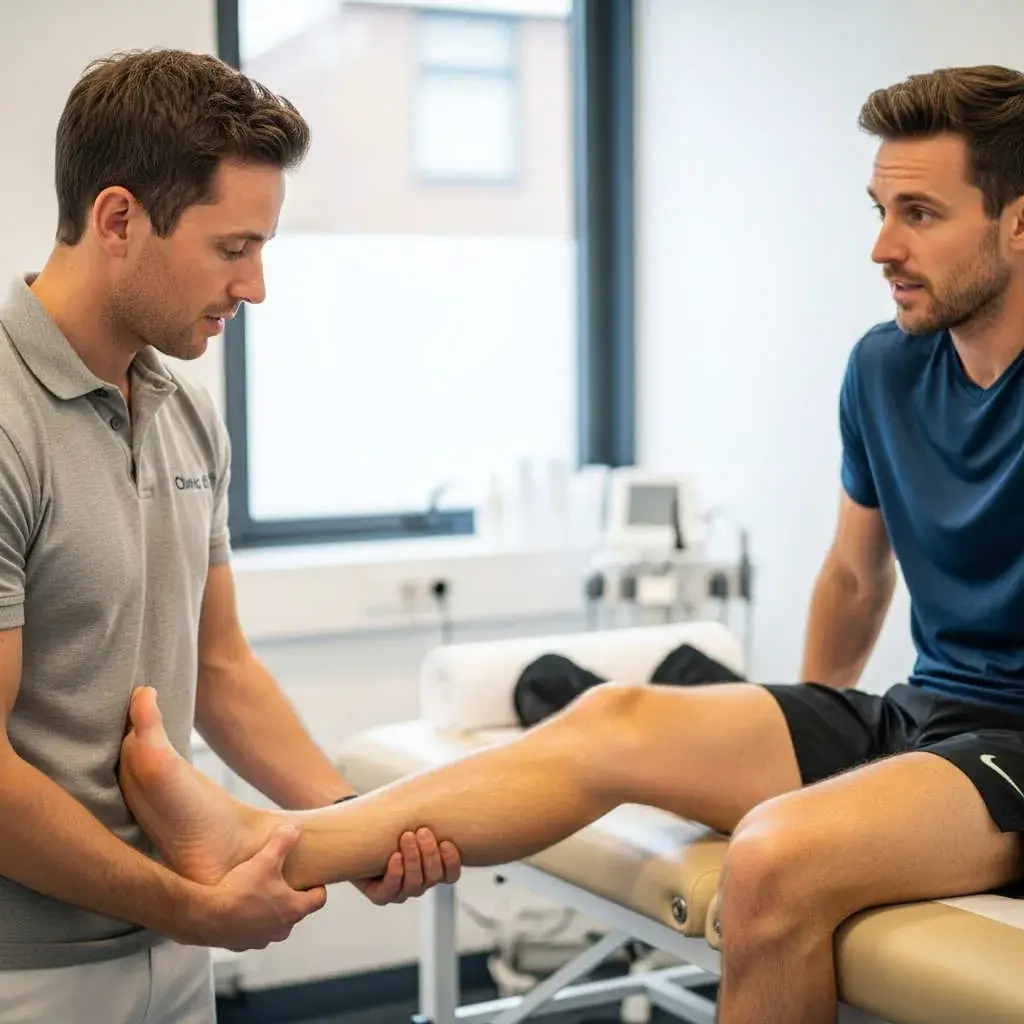
Our approach, with over 35 years of collective experience, often starts with a comprehensive Biomechanical Assessment to pinpoint these root causes. This leads to a structured treatment plan for a more predictable timeline and lasting solution.
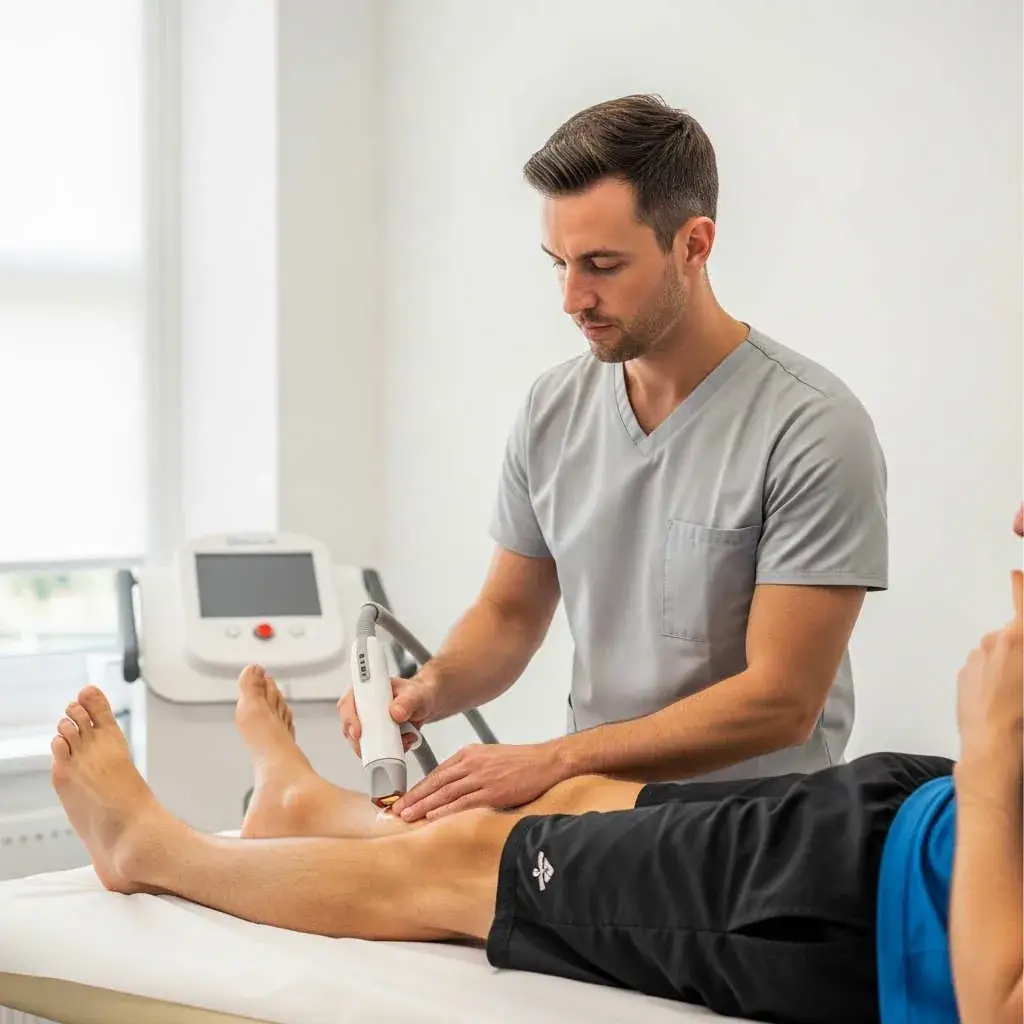
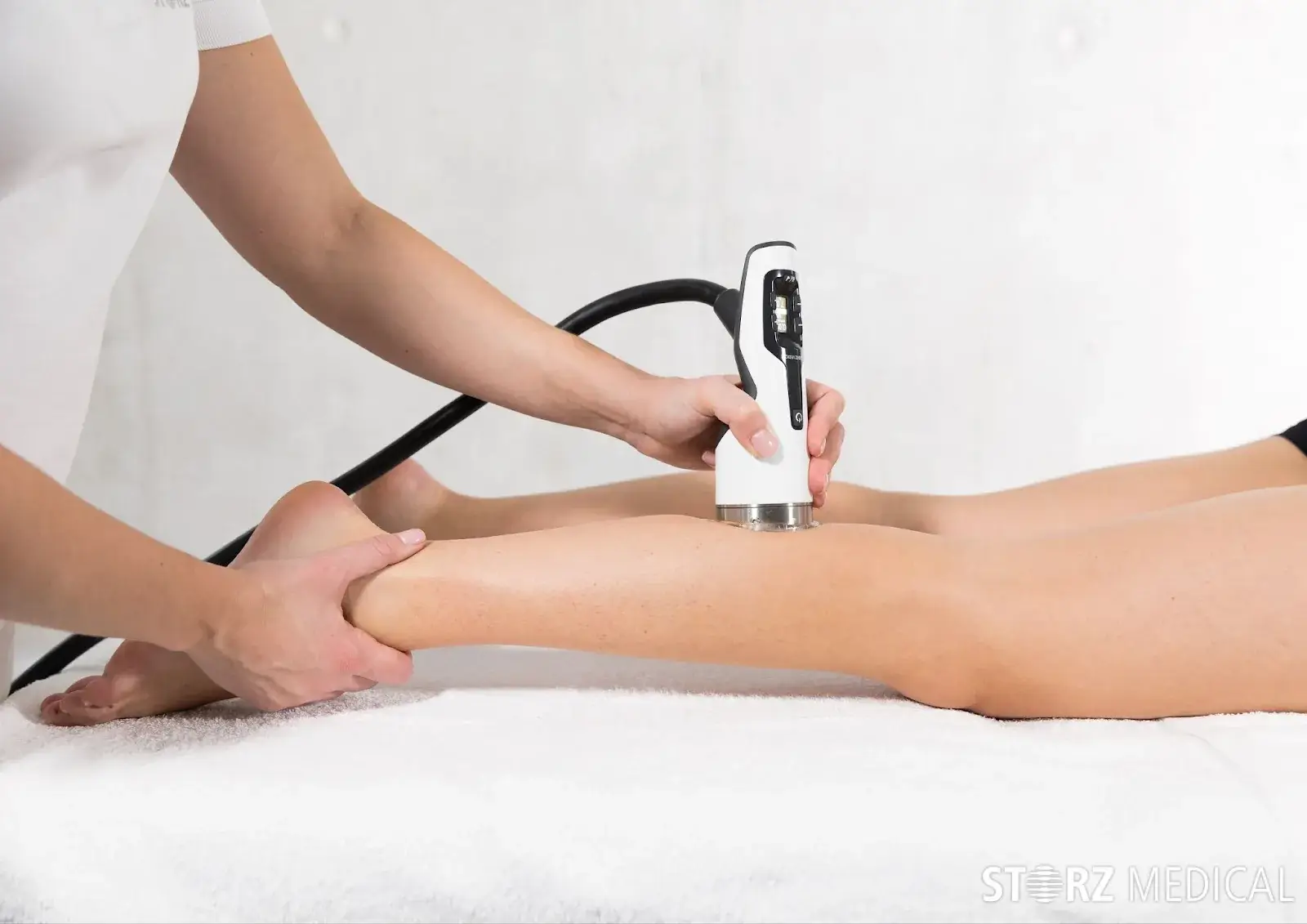
Advanced technologies like shockwave or laser therapy, when part of this plan, are tools to aid healing, not standalone magic bullets.
Realistic Timelines for Common Heel Pain Conditions in Active People
While precise timelines are impossible, experience and evidence give realistic ranges.
Plantar Fasciitis – The Runner’s Bane
If caught early (acute), significant improvement might be seen in 6-12 weeks (recommended by the NHS and NICE Guidelines). For more persistent (chronic) cases, recovery often takes 6-12 months with consistent, correct management.
Achilles Tendinopathy – The Jumper’s Nemesis
For a recent Achilles issue, a return to sport might be around 12 weeks with the right plan. More commonly, especially if chronic, 3-6 months, or even longer, is realistic.
Our “Treat, Move, Improve” philosophy is embodied in our care packages. By comprehensively addressing all contributing factors – biomechanics, tissue healing, strength – often using advanced tools like shockwave or Class 4 laser therapy alongside tailored rehab, we aim for a direct and effective recovery.
While this comprehensive approach is an initial commitment (time and cost), it’s designed for lasting results.
What Does “Getting Better” Really Mean for You?
For someone as active as you, “better” is more than just no pain at rest. It’s confidence, resilience, and performing.
True recovery means returning to your specific sports – whether running your target 10k pain-free, playing football twice a week, smashing your gym PBs, or enjoying a round of golf without that nagging heel. It’s about doing what you love, without pain and without fear of re-injury.
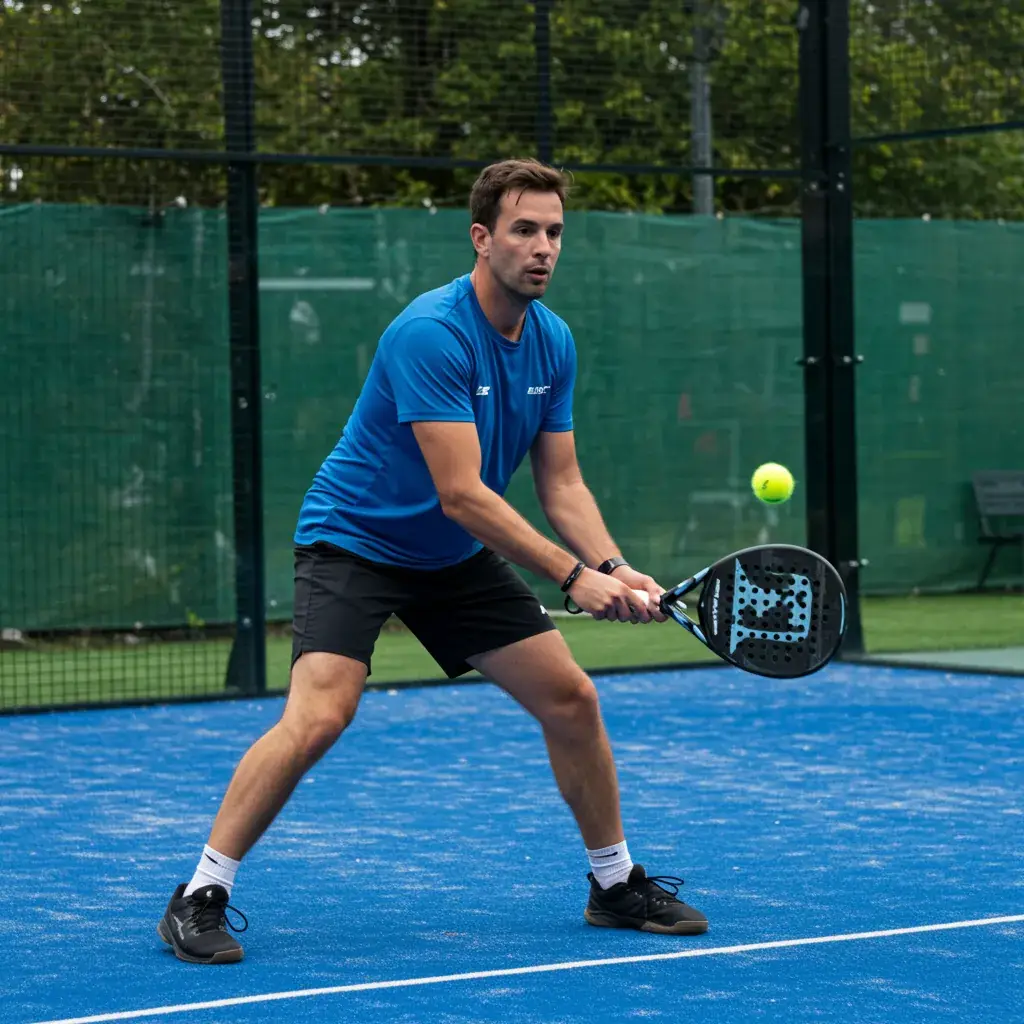
Ultimately, “better” also means understanding why the pain happened and having a plan to prevent it from sidelining you again.
The Honest Truth: When Heel Pain Recovery Takes Longer (Or Isn’t a Quick Fix)
Sometimes, despite best efforts, heel pain recovery takes longer. This isn’t a treatment failure, but often reflects the condition’s complexity.
How Does Chronicity Affect Achilles Tendonitis or Plantar Fasciitis Healing?
If your heel pain has been a companion for a very long time, tissues adapt. Reversing these changes takes more time and consistent effort. Deeply entrenched issues often involve significant tissue pathology and compensatory movement patterns that need careful, progressive rehabilitation.
Other Factors That Can Extend Recovery
- Co-existing Health Factors: Other underlying health conditions (like diabetes or inflammatory arthritis) can sometimes influence the body’s healing response.
- The Challenge of Adherence: We provide the plan, but if life gets in the way and rehab isn’t consistent, progress naturally slows. It’s a partnership.
- Significant Biomechanical Issues: Major biomechanical imbalances may need extensive correction (e.g., custom orthotics, specific conditioning), which is vital for a lasting solution but can add to the timeline.
- Who Our Intensive, Goal-Oriented Approach Might Frustrate: Our focus is the root cause. If you seek only a temporary patch-up for a long-standing, complex issue without addressing the ‘why’, our thorough approach might feel more involved. We aim for the permanent return to activity you value.
Empowering Your Recovery Journey: Key Takeaways & Your Next Step
There’s no single magic number for heel pain recovery. It’s a blend of the diagnosis, how long it’s been there, your circumstances, and the treatment approach. Understanding this empowers you.
If you see yourself in this description – active, frustrated by pain, and seeking a clear path forward – then understanding your specific contributing factors is the next logical step.
The uncertainty of ‘how long’ can be significantly reduced when you understand the ‘why’ and ‘what’ specific to your situation. A Biomechanical Assessment is designed to provide exactly that clarity.
If you’re tired of vague answers and ready for a clear understanding of your specific heel pain and a personalised roadmap to get back to running, the gym, or football, our comprehensive Biomechanical Assessment is the essential first step. It’s designed to give you the expert insights and structured plan you need for an efficient and effective recovery.
This detailed assessment allows us to get to the heart of your issue, explain what’s happening, and outline how we can help you “Treat, Move, Improve.”
To learn more about how a Biomechanical Assessment can pinpoint the root cause of your heel pain, discover our approach here: Biomechanical / MSK Assessment.
Our aim with this honest breakdown is to move you from frustration and uncertainty to understanding and confidence. By openly discussing the genuine complexities of heel pain recovery, you’re better equipped to make informed decisions for your health and get back to living an active, pain-free life.
At We Fix Feet, we’re committed to being your trusted partner in health, providing the transparent insights and expert care you deserve. Your goals are our priority.
Ready to Take the Next Step Towards Pain-Free Movement?
At We Fix Feet, our expert Podiatrists and Clinicians are dedicated to understanding your unique situation and providing personalised care to help you treat your pain, improve your movement, and get back to living life to the full. We’ve helped thousands of people just like you overcome frustrating foot and lower limb conditions.
Your Journey to Recovery Starts Here:
The best way to understand how we can help is to have a conversation. Let’s explore your symptoms and discuss the most effective treatment options for you.
Book Your Consultation
Prefer to talk first? Call us directly on 0115 9328832 to speak with a member of our friendly team.
Want to learn more about our approach first? Discover Our Commitment to You on our About Us page or explore Our Advanced Treatment Options.