
Is your foot pain more than just a temporary niggle, or is it a clear sign you need a specialist like a podiatrist, especially when it’s sidelining you from your runs, gym sessions, or favourite sports? Many active people initially try rest or simple remedies, only to find the pain and frustration continue as they miss out on the activities they love.
At We Fix Feet, we understand how debilitating foot pain can be. This article will provide honest, clear criteria to help you understand when seeing a specialist podiatrist is the crucial next step for your specific type of foot pain, moving beyond generic advice so you can get back on track quickly.
Key Takeaways:
- Foot pain lasting more than a few weeks despite self-care often signals a need for specialist podiatric assessment to identify the root cause.
- If foot pain significantly impacts your ability to participate in sports, exercise, or daily activities, or if it worsens, a podiatrist can provide an accurate diagnosis and effective treatment plan.
- Specific “red flag” symptoms like sharp shooting pain, numbness, tingling, persistent swelling, or changes in foot shape warrant prompt podiatric attention.
- Recurring foot injuries or pain that returns after rest often indicate underlying biomechanical issues that a podiatrist, through a Biomechanical / MSK Assessment, can address with solutions like custom Orthotics and Insoles.
- When previous treatments from a GP or general physiotherapy have failed to resolve your foot pain, a specialist podiatrist offers focused expertise and advanced treatment options for lasting relief.
Problems That Signal a Need for Podiatric Intervention
Recognising when to seek expert help for foot pain can make all the difference to your recovery and ability to stay active. Here are key scenarios where a podiatrist’s input is crucial.
Persistent Pain: When “Waiting it Out” Becomes a Risk
If you’re an active person, you’re likely attuned to your body. But when foot pain lingers beyond a few days, or even a week or two despite sensible self-care like rest and ice, it’s a clear signal not to ignore.
For active individuals, pushing through persistent pain can escalate a manageable issue into a chronic problem, potentially leading to much longer recovery times and hindering your ability to hit your gym targets or enjoy your regular runs. Underlying causes for such lingering discomfort, especially if you’re regularly training, could be the early signs of conditions like plantar fasciitis or a developing Achilles tendon pain.
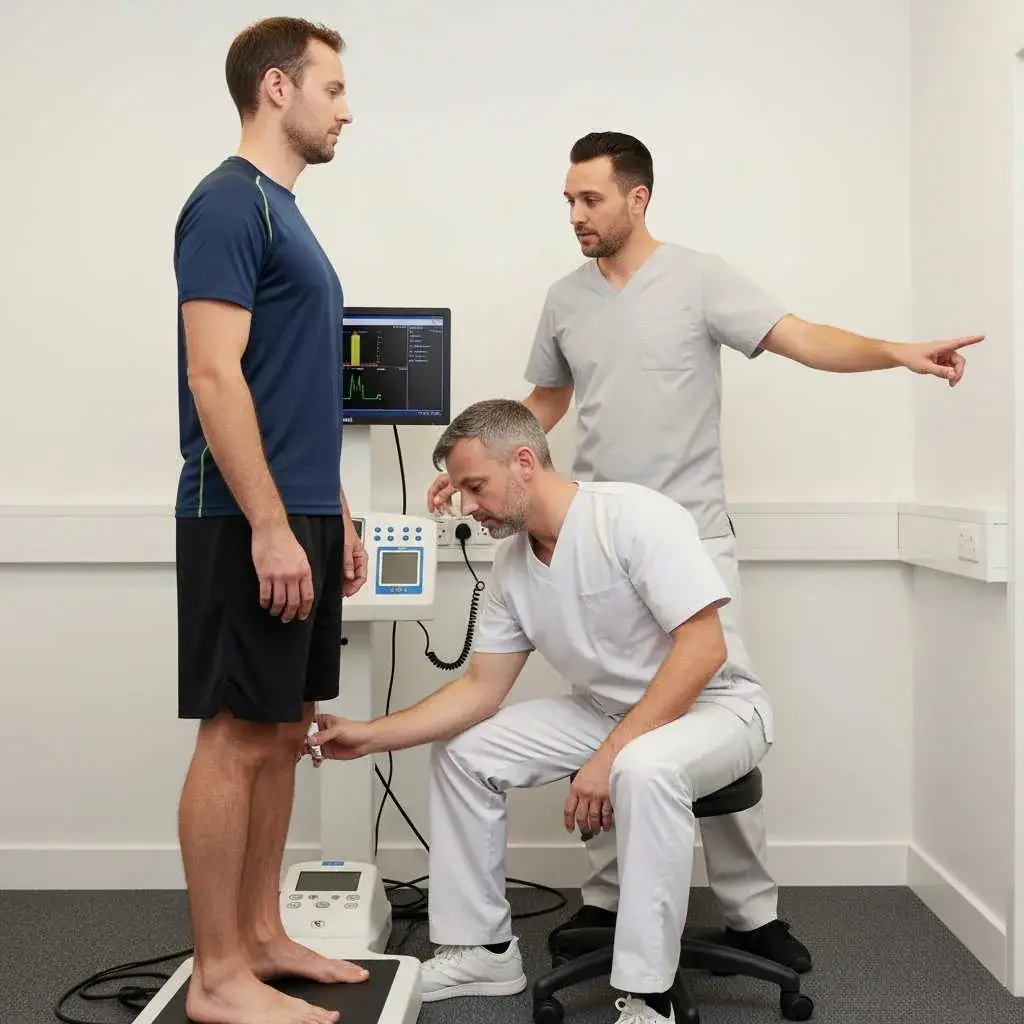
At We Fix Feet, our team brings over 35 years of collective experience to diagnosing the root cause of your pain. Our comprehensive Biomechanical / MSK Assessment is often the first step to understanding why your pain isn’t resolving by evaluating your body’s mechanics, how you walk and run, and your posture.
Early, accurate diagnosis by a specialist can prevent acute problems from becoming chronic and stop compensatory injuries from developing elsewhere.
Consider a keen runner whose heel pain, initially dismissed, began to affect his daily walks after several weeks. A detailed biomechanical assessment quickly pinpointed an early-stage tendon issue. A targeted plan got him back to training safely and enjoying his morning jogs again, preventing a much longer lay-off.
While simple measures are a sensible first step, persistent pain often indicates underlying biomechanical factors that generic advice won’t resolve.
Activity-Limiting Pain: When Your Foot Dictates Your Lifestyle
One of the greatest frustrations for an active professional is when foot pain dictates your ability to engage in your chosen sports or workouts. If pain forces you to cut runs short, avoid certain exercises, or if it aches during or after activity without easing, it’s a clear call for specialist help.
Our podiatrists at We Fix Feet specialise in getting active people like you back to their specific goals, following our “Treat, Move, Improve” philosophy. We use advanced diagnostic tools like Point of Care Ultrasound for real-time imaging of soft tissues.
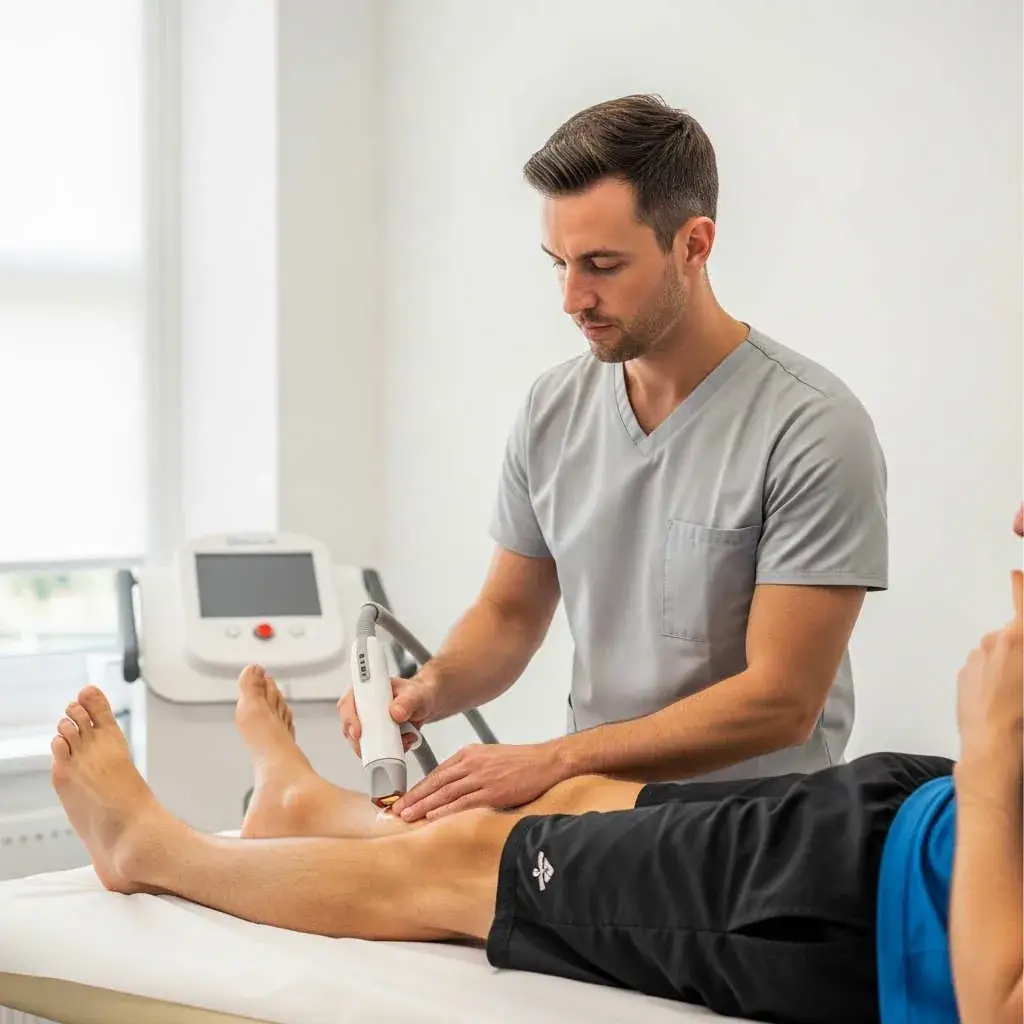
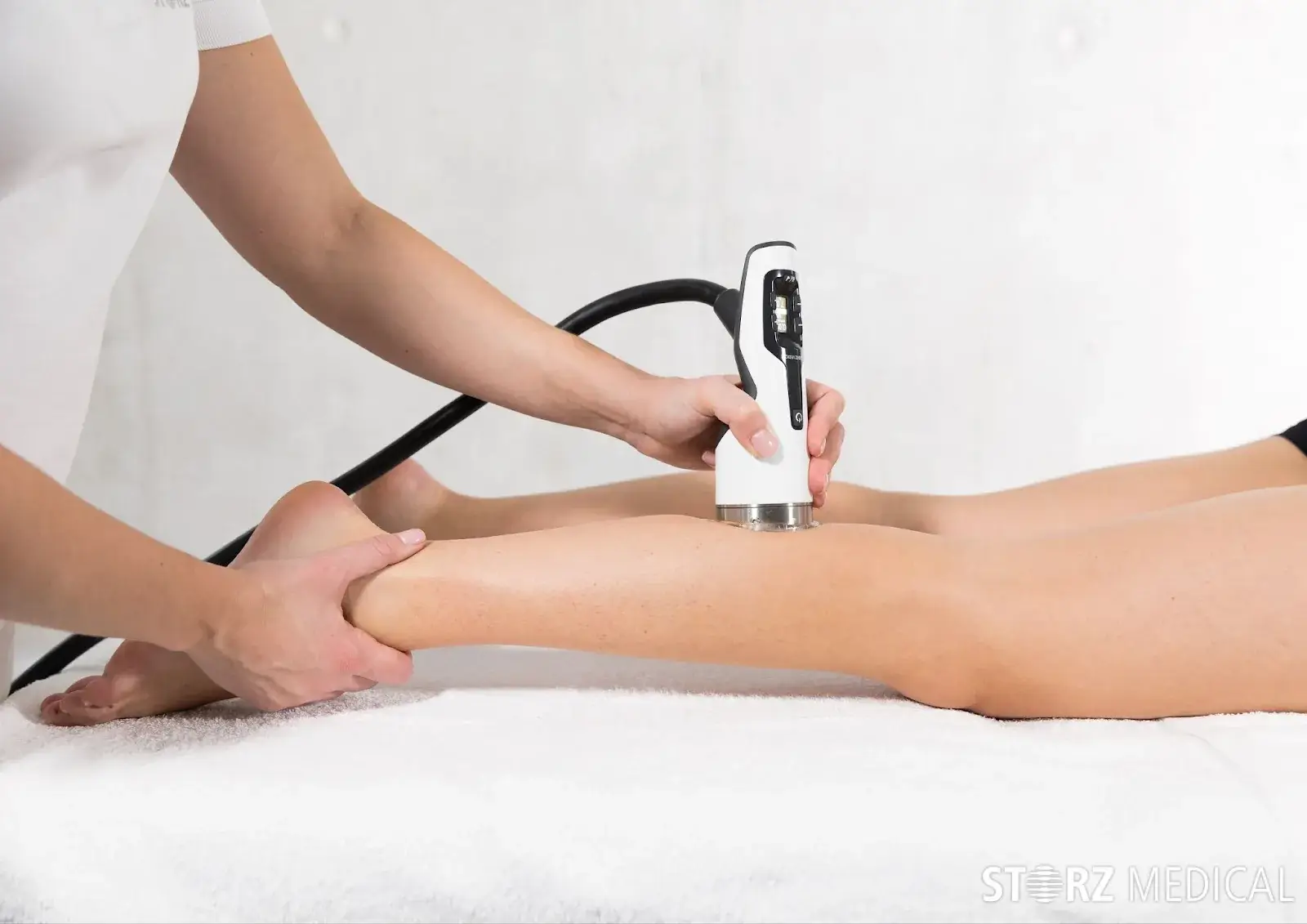
This helps us pinpoint the precise cause of activity-limiting pain. Once we have an accurate diagnosis, we can offer effective, modern treatments such as Shockwave Therapy or Class IV Laser therapy.
These interventions, often part of a personalised package of care, can be highly effective for conditions like Achilles tendonitis or plantar fasciitis, facilitating a safer and often quicker return to your activities compared to more generalist approaches.
Imagine a professional in his 30s whose weekend football was completely ruined by recurring ankle pain, making him hesitant to even join a casual kickabout. Generic physio had offered only temporary relief. Our podiatrists used diagnostic ultrasound to identify a specific ligament issue. A subsequent combination of shockwave therapy and a tailored rehabilitation plan, part of his dedicated treatment package, saw him back playing full matches with confidence and without pain within a structured timeframe.
We often see active people understandably frustrated because previous treatments, perhaps through the NHS or general physiotherapy, haven’t resolved their activity-limiting pain. This isn’t to criticise those services; rather, it’s an acknowledgement that complex sports-related musculoskeletal (MSK) issues often require a more specialised focus.
Generalist approaches may not always have the specific diagnostic tools on-site or offer the same range of advanced treatment modalities for lower limb sports injuries that a specialist podiatry clinic can provide.
Specific “Red Flag” Symptoms: Don’t Ignore These Warnings
Sometimes your foot signals a problem with distinct “red flag” symptoms that demand expert attention, especially if you want to avoid longer-term issues impacting your active life.
These symptoms include:
- Sharp, shooting pain: This could indicate various issues, from nerve irritation to a developing stress fracture. If your heel pain has become sharp or stabbing, particularly first thing in the morning, it’s a classic sign of plantar fasciitis.
- Numbness or tingling: These sensations may suggest nerve involvement, requiring accurate diagnosis.
- Persistent swelling or bruising: Swelling or bruising without a clear recent minor injury, or that doesn’t resolve quickly, points to underlying inflammation or injury.
- Any change in the foot’s shape or new lumps: These should always be checked by a healthcare professional.
d
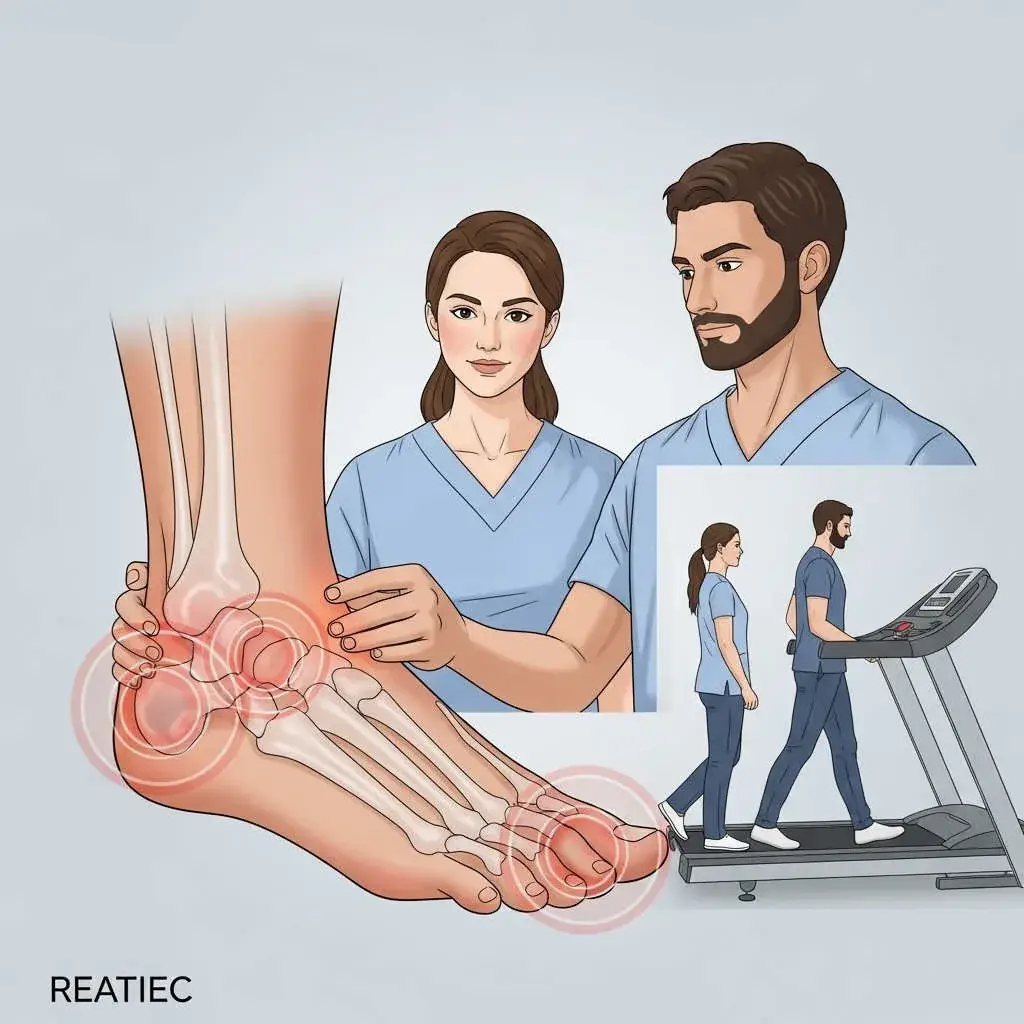
Our We Fix Feet podiatrists are experts in diagnosing conditions indicated by these red flags. A thorough Biomechanical / MSK Assessment, including detailed palpation and functional movement tests, and potentially Diagnostic Ultrasound, is essential.
Early and precise diagnosis of issues like stress fractures or nerve entrapments is vital for effective treatment and a quicker return to your activity. This is central to our commitment to Personalised Care.
Think of the gym enthusiast who developed numbness in his toes during weightlifting. Initially ignoring it, he sought help when it started affecting his balance. A podiatric assessment identified nerve compression. A plan including footwear advice and specific exercises resolved it, allowing a full return to training.
While some very minor issues might settle quickly, these specific red flags shouldn’t be self-diagnosed or ignored if you want to maintain your active lifestyle safely.
Recurring Injuries or Pain: Breaking the Cycle
Does an old injury flare up every time you increase your training load for that 10k, or does pain return after rest or previous, less specialised treatment? This pattern often signals an unaddressed root cause, usually a biomechanical imbalance.
This is incredibly disheartening when you’re aiming for a “permanent solution” and want to prevent future injuries.
This is where our comprehensive Biomechanical / MSK Assessment at We Fix Feet becomes invaluable. We meticulously analyse your gait, posture, and foot’s specific function.
Following this, custom-made Orthotics and Insoles or advanced 3D Printed Insoles can be prescribed. These are tailored to correct imbalances and help prevent pain recurrence, allowing you to train confidently as part of a wider treatment package.
Consider an active individual plagued by Achilles tendon pain that flared up every time they increased their run mileage beyond 5km, jeopardising their half-marathon ambitions. A detailed biomechanical assessment revealed subtle issues with their foot mechanics. Custom orthotics, designed to address this, along with a targeted strengthening program, finally allowed them to progress their training pain-free.
Relying on treatments that only address symptoms, without tackling underlying biomechanics, is unlikely to solve recurring issues for active people.
[CAPTION: A detailed Biomechanical Assessment by a podiatrist can identify underlying causes of recurring foot pain in active individuals.]
When Previous Treatments Have Failed: Seeking Specialist Expertise
It’s a common story: you’ve tried various treatments for your foot pain – GP advice, general physiotherapy, NHS options with potential waiting times – but the pain persists. This is incredibly frustrating, especially when you’re keen to get back to your sport or gym routine.
This scenario is a clear signal that it’s time to seek the expertise of a specialist podiatrist. This often happens when the previous approach wasn’t specialised enough for your specific MSK condition or activity level.
At We Fix Feet, our podiatrists focus specifically on the foot and lower limb, possessing an in-depth understanding of sports-related biomechanics. We combine this with advanced on-site diagnostic tools and cutting-edge treatments like Shockwave Therapy and Class IV Laser.
Furthermore, for many MSK conditions, our comprehensive “packages of care” offer a structured approach aimed at full resolution. An investment in such a package is an investment in getting back to your activities effectively.
A busy professional, an avid cyclist, came to us after months of debilitating heel pain despite GP advice and general physio. Our detailed Biomechanical / MSK Assessment, including diagnostic ultrasound, revealed significant plantar fascial thickening. A course of focused shockwave therapy, integrated into his personalised ‘package of care’, finally got him back on his bike, clocking up the miles pain-free.
Why might generalist routes not have fully resolved your issue? GPs, while vital, have a broad focus and may lack specialist equipment for detailed foot analysis. General physiotherapists, though MSK experts, may not always have the same depth of specific lower limb biomechanical knowledge or the advanced diagnostic and treatment modalities that a specialist podiatry clinic offers.
For persistent, activity-related foot pain, a lower limb specialist is often what’s needed to provide a lasting solution.
When You Might Not Need to See a Podiatrist Immediately
At We Fix Feet, we believe in providing honest information. Not every slight ache automatically requires a specialist podiatry appointment.
If you’ve experienced very minor, acute foot soreness – perhaps after a tough new workout – and it’s not severe, doesn’t involve “red flag” symptoms, and improves noticeably within a day or two with simple home care (rest, ice), it might resolve on its own. This is often the body’s natural healing for minor stress not involving significant underlying issues.
However, for an active individual like yourself, if that minor pain doesn’t clear up quickly (within a week or two), or if your pain fits any of the scenarios we’ve detailed earlier, then that’s your cue. Even seemingly small issues can become chronic if not addressed correctly.
Our aim is to empower you to make the best decision for your situation.
Your Next Step to Pain-Free Movement
You now have a clearer, expert-backed understanding of when your foot pain warrants a specialist podiatrist’s attention. So, if your pain is persistent, stopping you from your activities, showing specific warning signs, keeps coming back, or hasn’t improved with other approaches – it’s time to see a podiatrist.
Are you tired of foot pain dictating your training schedule? Does your discomfort sound like one of these persistent issues we’ve discussed? Are you ready to understand the root cause and get an effective plan to return to your sport?
Booking a Biomechanical / MSK Assessment with our expert podiatrists at We Fix Feet is your logical next step. We’ll find out exactly what’s going on and create a tailored plan to get you moving freely again, helping you to “Treat, Move, Improve.”
Still have a few specific questions about your foot pain or how we can help? We understand. Feel free to contact our friendly team by calling us on 0115 9328832. Our commitment is to provide you with Personalised Care and the Excellence in treatment you need to achieve your goals. You can also explore more about Your First Visit on our website.